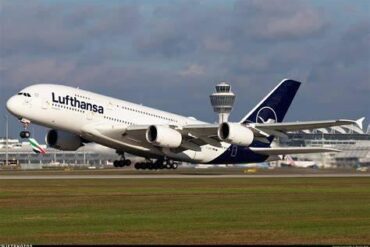
Lufthansa is quietly reshaping one of the most routine aspects of air travel—aircraft cleanliness—with a new experimental policy that replaces standard procedures with a more flexible, “on-demand” cleaning model. The German flag carrier has begun testing this approach across roughly 20 intra-European routes, signaling a strategic shift toward cost efficiency without fully abandoning passenger comfort.
The trial, running between March 16 and March 29, targets short-haul operations originating from various European outstations. Rather than performing a full cleaning turnaround after every flight, Lufthansa is allowing cabin crew to dictate where cleaning is actually required in the economy cabin. The idea is simple but potentially disruptive: clean only what needs cleaning, when it needs it.
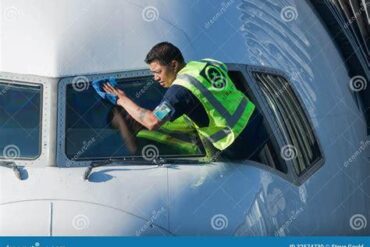
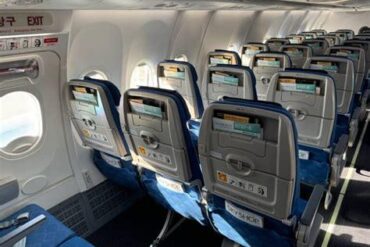
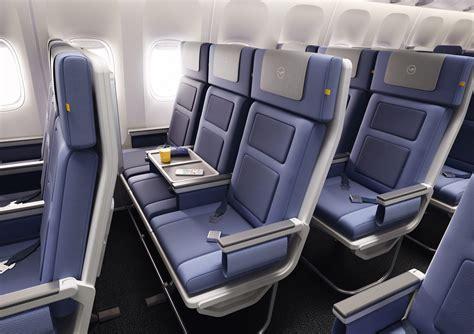
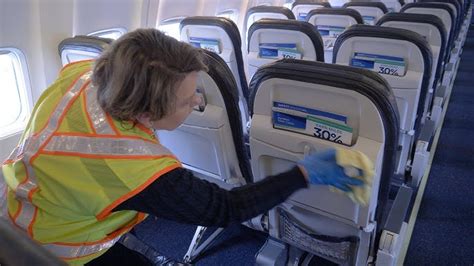
At the center of this initiative is a concept Lufthansa calls “light cleaning.” Under this framework, areas such as lavatories, tray tables, and seatback pockets are no longer automatically refreshed after each flight. Instead, cabin crew assess conditions and communicate specific cleaning requests to ground staff. Premium cabins—including business class and premium economy—remain untouched by this change, preserving their traditional service standards.
This selective approach reflects a broader industry trend toward operational precision, where airlines are increasingly scrutinizing every minute and resource spent during aircraft turnarounds. Lufthansa’s leadership has framed the trial as part of a wider effort to unlock “commercial and operational potential” by refining workflows that have long been considered non-negotiable.
One of the more intriguing elements of the trial lies in how Lufthansa is rethinking its cleaning workforce structure. Instead of deploying four cleaners per aircraft during turnarounds, the airline is testing a reduced team of just two staff members. To compensate, each cleaner will spend twice as long onboard—ten minutes instead of five—maintaining what Lufthansa उम्मीद to be equivalent cleaning outcomes with fewer personnel.
This recalibration of labor and time highlights a deeper operational philosophy: efficiency is not always about speed, but about targeted effort. By focusing on areas flagged by crew rather than applying a blanket cleaning routine, Lufthansa is betting that it can maintain acceptable hygiene levels while significantly lowering ground handling costs.
The move arrives at a critical moment for Lufthansa Group, which has been navigating financial headwinds despite strong revenue performance. In the first half of 2025, the group reported revenues of $20.8 billion but managed only a modest profit of $172 million. More concerning was the performance of the core Lufthansa brand, which posted a $317 million loss during the same period. These figures have intensified pressure to deliver a comprehensive turnaround.
In response, Lufthansa has launched an ambitious multi-hundred-measure restructuring program, with more than 700 initiatives aimed at improving profitability. The “on-demand” cleaning trial is just one piece of this much larger puzzle, sitting alongside fleet modernization efforts and service model adjustments.
Not all cost-saving experiments have been successful. A previous attempt to eliminate the practice of crossing seatbelts before boarding was reversed after negative feedback from cabin crew, underscoring the delicate balance between efficiency and operational practicality. Lufthansa appears to be taking a more cautious approach this time, actively collecting feedback from both crew and passengers before deciding on a broader rollout.
Interestingly, the philosophy behind “light cleaning” is also echoing into Lufthansa’s premium offerings—but in a different form. The airline group is introducing unbundled fare structures in business and premium economy classes, where passengers may pay extra for services like seat selection or checked baggage. While not directly tied to hygiene, the underlying theme is consistent: granular customization of services paired with cost control.
From a passenger perspective, the success of this initiative will hinge on perception as much as reality. Cleanliness remains a highly visible and emotionally charged aspect of air travel. Even minor lapses—such as an unemptied seat pocket or a less-than-pristine lavatory—can shape overall satisfaction. Lufthansa’s reliance on crew judgment introduces a human variable that could either enhance responsiveness or create inconsistencies.
Yet, if executed carefully, the model could offer a surprising upside. By eliminating unnecessary cleaning tasks, staff may have more time to focus on areas that truly impact passenger experience, potentially resulting in more noticeable cleanliness where it matters most.
Ultimately, Lufthansa’s experiment is less about cleaning and more about rethinking airline operations at a granular level. In an industry where margins are razor-thin and competition relentless, even small procedural changes can ripple into meaningful financial gains. Whether “on-demand” hygiene becomes a new standard or remains a short-lived trial will depend on one decisive factor: whether passengers notice the difference—and if they do, whether they care.