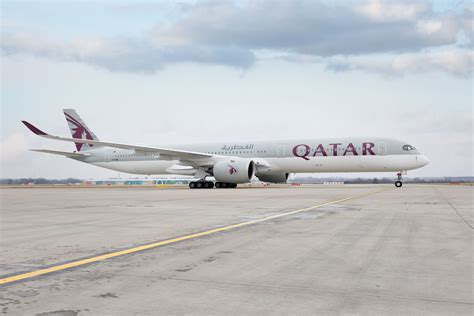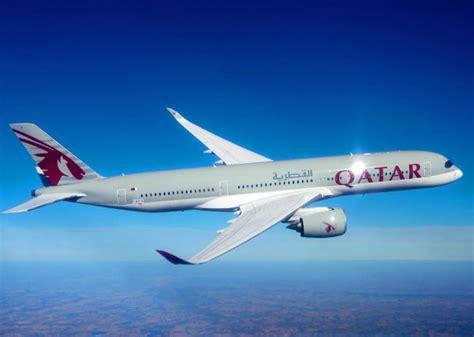
Qatar Airways, globally renowned for its luxury, precision, and efficiency, has cultivated a fleet strategy that often defies conventional airline norms. Among its most notable operational quirks is the decision to fly the Airbus A350, a long-haul widebody aircraft, on short-haul routes throughout the Middle East and neighboring regions. This tactic, while puzzling to some, is underpinned by a complex blend of logistical efficiency, fleet composition, passenger demand, and hub connectivity goals.
The Airbus A350: A Technological Marvel Built for Long Journeys
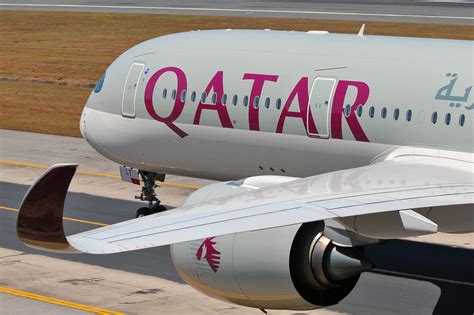
The Airbus A350 is the flagship widebody aircraft in the Airbus lineup, designed to operate long intercontinental routes with unmatched fuel efficiency and passenger comfort. With a composite fuselage, carbon-fiber wings, and ultra-efficient Rolls-Royce Trent XWB engines, the A350 has rapidly become a favorite among global carriers. The aircraft’s variants—the A350-900 and the A350-1000—carry between 283 to 410 passengers, offering a perfect balance of range and capacity.
With ETOPS certification allowing operations up to 370 minutes from an alternate airport and a range exceeding 8,000 nautical miles, the A350 is built for missions that span continents. Qatar Airways, the launch customer for both A350 variants, was among the first to deploy it strategically across major long-haul corridors linking Doha with Europe, Asia, and North America.
Qatar Airways’ Historical Relationship with the A350
Qatar Airways has had a pivotal role in the development and operational validation of the A350. It was the launch customer, taking delivery of its first A350-900 in December 2014, and soon after, became the first to operate the A350-1000 in early 2018. The airline helped shape the aircraft’s configuration to meet the exacting standards of Qsuite integration, passenger comfort, and operational reliability.
Despite a temporary grounding of 13 units in 2021 due to surface degradation issues, the airline resumed full-scale A350 operations after a settlement with Airbus in 2023. The fleet now includes 34 A350-900s and 24 A350-1000s, with 18 more A350-1000s on order. Each aircraft is configured to carry hundreds of passengers in two- or three-class layouts, with varying numbers of Qsuite business-class seats.
The Short-Haul Puzzle: Why Use a Long-Haul Jet on Regional Routes?
The decision to operate the A350 on short-haul flights appears counterintuitive, but it aligns with Qatar Airways’ hub-and-spoke strategy. The airline’s operational base, Doha Hamad International Airport (DOH), acts as a mega-connector hub, funnelling passengers between continents. Ensuring maximum capacity on feeder routes to this hub is critical.
A robust frequency of A350 flights to short-distance destinations such as Dubai (DXB), Abu Dhabi (AUH), Muscat (MCT), Kuwait City (KWI), and Bahrain (BAH) guarantees that premium and economy passengers arriving on long-haul flights can seamlessly connect to regional destinations aboard the same high-comfort aircraft type.
This strategy isn’t just about convenience—it’s about maintaining high aircraft utilization and elevating the passenger experience, even on 45-minute hops. The result? Reduced turnaround times, simplified crew operations, and the ability to standardize onboard product offerings across the entire route network.
Filling Fleet Gaps with Widebodies
Qatar Airways operates a relatively small narrowbody fleet of around 30 aircraft, which pales in comparison to its widebody lineup. This imbalance, deliberate or not, creates a natural reliance on jets like the A350 to operate regional flights where other airlines might deploy A320s or 737s.
Using A350s for such missions is not merely a fallback option; it’s a calculated move. These aircraft bring economies of scale even to short-haul sectors by offering more seats per flight and spreading crew and fuel costs over more passengers. This is particularly valuable during peak travel periods, religious pilgrimages, or events when demand surges dramatically.
High-Density Routes & Strategic Demand
Qatar Airways operates over a dozen short-haul A350 routes under 1,000 miles, with frequencies tailored to meet strategic demand. Among them, the Doha–Karachi route stands out, covering 974 miles and generating nearly 4.7 million ASMs (Available Seat Miles) monthly. With 17 flights per month, the route delivers over 4,800 seats.
Other destinations include:
- Jeddah (JED): Up to 16 flights per month
- Medina (MED): 10 monthly flights with over 2,800 available seats
- Tehran (IKA) and Bisha (BSR): Served with multiple monthly frequencies
These deployments enable the airline to dynamically scale capacity based on demand without compromising on brand promise. It also allows them to rotate aircraft and crews efficiently while keeping A350s actively earning revenue during downtime between long-haul assignments.
Seamless Passenger Experience: A Brand Differentiator
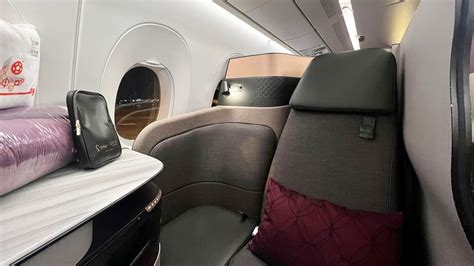
Using the A350 on shorter flights also reinforces Qatar Airways’ premium service image. Passengers transferring through Doha from long-haul destinations are able to experience the same Qsuite business class, cabin ambiance, and seat comfort on shorter regional legs, maintaining service continuity.
This decision is more than a product alignment—it’s a psychological and brand strategy. In an era where Gulf carriers compete aggressively on passenger experience, offering a consistent, elevated product, even on short routes, reinforces Qatar Airways’ position as a five-star airline.
Operational Efficiencies and Maintenance Strategy
Widebodies like the A350 have high fixed ownership and maintenance costs, but they shine when aircraft utilization is maximized. Short-haul deployments allow for revenue-generating hours between longer missions and help maintain fleet rotation, crew readiness, and operational continuity.
Additionally, operating the same aircraft type across multiple distances creates synergies in training, scheduling, and logistics. Cabin crew familiarity, ground service uniformity, and reduced complexity in aircraft handling all contribute to operational robustness.
Competitive Pressure in the Gulf
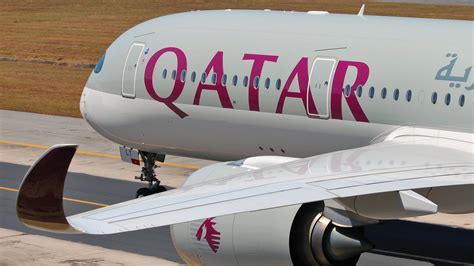
The Gulf aviation landscape is one of the most competitive in the world. With Emirates, Etihad, and Saudia also vying for dominance, every advantage matters. By deploying A350s on high-frequency short-haul routes, Qatar Airways maintains a competitive edge by:
- Capturing high-volume traffic with larger capacity
- Offering a superior product even on quick flights
- Enhancing its reputation for reliability and consistency
- Positioning itself as the airline of choice for seamless global travel
As other airlines scramble to rationalize costs with low-cost models and regional jets, Qatar Airways doubles down on luxury and scale, even when flying to a destination less than 100 miles away.
Looking Ahead: Fleet Expansion and Strategic Impact
With 18 additional A350-1000s scheduled for delivery, Qatar Airways is poised to become the largest operator of the type globally. This continued investment signals a long-term strategy rooted in fleet flexibility. These aircraft will likely see even more short-haul deployment in the future as the airline fine-tunes capacity management and hub operations.
The vision is clear: maximize the potential of every aircraft, every mile, and every seat—regardless of whether the flight is crossing continents or merely bridging Gulf capitals.
Final Thoughts
Flying the Airbus A350 on short-haul routes may seem excessive, but in the context of Qatar Airways’ operational philosophy, it’s an inspired decision. It allows the airline to:
- Maximize fleet utilization
- Ensure service consistency
- Compensate for a limited narrowbody fleet
- Meet fluctuating regional demand
- Reinforce its global brand
In the end, it’s not just about how far an aircraft can fly—but how smartly it’s used. And in that regard, Qatar Airways is setting a global example by putting its A350s to work in ways few others would dare.