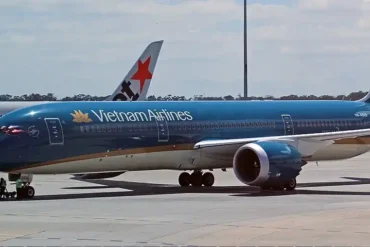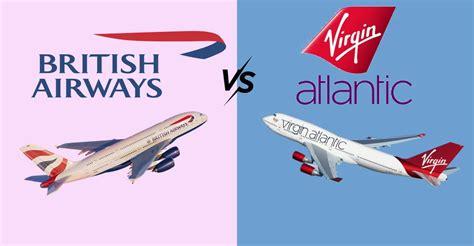
The Boeing 787 Dreamliner has become one of the most influential widebody aircraft of the modern era, reshaping how long-haul networks operate and giving airlines new flexibility across global markets. In the United Kingdom, two major transatlantic champions—British Airways and Virgin Atlantic—have integrated the Dreamliner deeply into their strategies, though at very different scales and for very different purposes. When examining the full breadth of each fleet, the operational philosophy behind their route networks, and how each airline deploys its aircraft, a clear answer emerges regarding which company ultimately commands a larger presence in the Dreamliner world.
The 787’s evolution into a high-efficiency, passenger-focused jet has aligned well with the priorities of both UK carriers. Its composite structure, reduced fuel burn, better cabin pressurization, and wide operational envelope make it especially attractive for long-haul travel out of London Heathrow. Over the past decade, as both airlines refined their post-747 strategies, the 787 became a foundational tool—yet the scale of that foundation differs dramatically.
The Rise of the Dreamliner: Origins of Boeing’s Modern Flagship
At the start of the 2000s, Boeing envisioned a clean-sheet aircraft that would out-perform traditional twin-engine widebodies while delivering unprecedented passenger comfort. The project that eventually became the 787 Dreamliner began life as the Boeing 7E7, a concept focused on efficiency. Its carbon-fiber reinforced fuselage and wings marked a departure from aluminum-heavy designs of older 767 and 777 models, and these materials helped enable longer ranges with better economics.
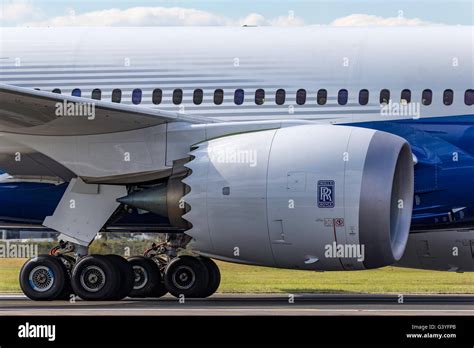
Following its first flight in 2009 in Everett, Washington, and launch service with All Nippon Airways in 2011, the Dreamliner quickly established itself as the go-to aircraft for airlines aiming to balance fuel efficiency with operational reach. Today more than 1,200 Dreamliners have been delivered, making it one of the most successful widebody families in commercial aviation history. Equipped with either General Electric GEnx-1B engines or Rolls-Royce Trent 1000s, the aircraft offers high performance across three primary variants: the long-range 787-8, the versatile 787-9, and the stretched 787-10.
Why the Dreamliner Matters to UK Aviation
For airlines based in the UK—a market characterized by strong transatlantic demand, extensive leisure travel, and global business flows—the 787 provides a rare blend of operational flexibility. The smallest variant, the 787-8, excels in opening thinner long-haul markets. The 787-9 offers optimal balance for premium-heavy demand, while the 787-10 delivers high seat-mile efficiency for dense routes without requiring the larger Boeing 777-300ER or Airbus A350-1000.
Considering Heathrow slot scarcity, the 787 plays an even bigger strategic role. With limited opportunities to add flights, airlines must maximize efficiency and profitability on every available long-haul departure. The Dreamliner’s performance characteristics align almost perfectly with these constraints, which explains its central presence in the fleets of both British Airways and Virgin Atlantic.
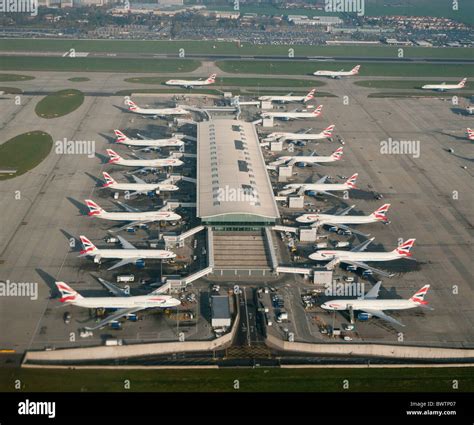
British Airways: The UK’s Largest Operator of the Boeing 787
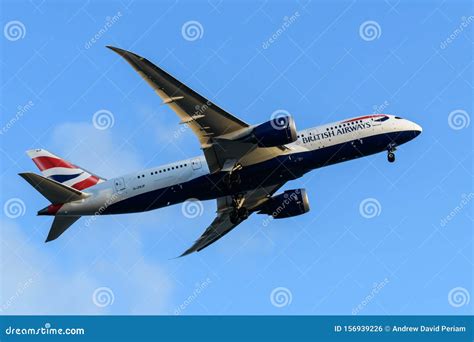
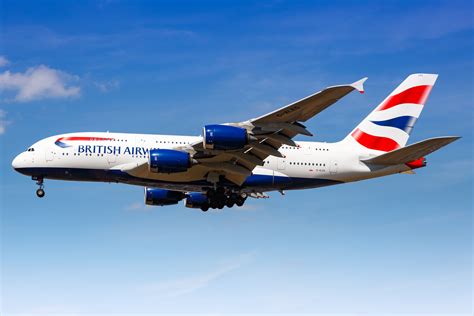
British Airways introduced its first 787 in 2013, beginning with the 787-8. Over the next decade, the company built one of the most diverse Dreamliner fleets in the world. Today, British Airways operates 42 total Boeing 787s, spanning all three variants:
- 12 Boeing 787-8s
- 18 Boeing 787-9s
- 12 Boeing 787-10s
This breadth reflects a comprehensive network strategy. The 787-8 is generally used for longer, lower-demand routes where larger widebodies are less efficient. British Airways’ 787-9s serve a blend of major transatlantic markets, unique US city pairs—like London Heathrow to Nashville—and mid-range destinations across Asia and Africa. Meanwhile, the 787-10, the largest variant, delivers high capacity with superb economics on dense long-haul routes.
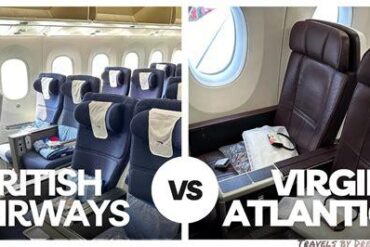
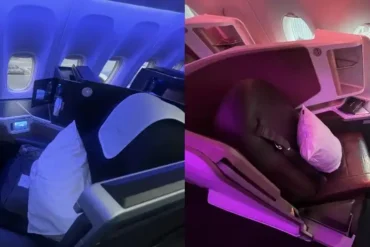
The airline’s 787-10 fleet is also the youngest, averaging around 3.4 years of age, while the 787-8 fleet averages about 10.5 years. Inside, the cabins vary significantly. The 787-8s operate in two layouts, including one with updated Club Suite seating. The 787-9 and 787-10 both feature First Class suites, which positions the Dreamliner at the premium end of the BA long-haul experience.
How British Airways Uses Its Dreamliners
The scope of British Airways’ 787 operation is unmatched among UK carriers. The airline uses the Dreamliner to:
- Serve high-yield US markets with balanced capacity
- Reach African and Middle Eastern destinations with right-sized economics
- Operate long, thin routes where demand is steady but not high enough for larger aircraft
- Provide premium-forward services with First Class offerings on the 787-9 and 787-10
The presence of three variants gives the airline exceptional flexibility and allows BA to tailor aircraft size to precise market needs—a key advantage on routes undergoing seasonal shifts or evolving demand.
Virgin Atlantic: A Focused but Smaller Fleet of Boeing 787-9s
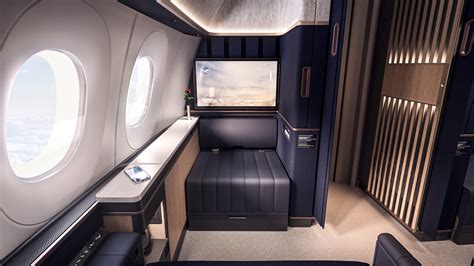
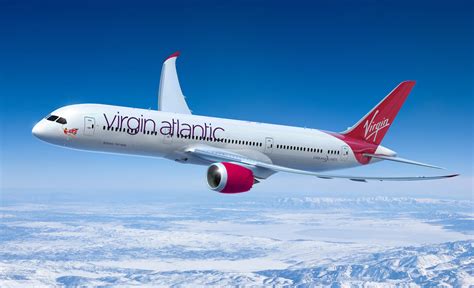
Virgin Atlantic’s relationship with the Dreamliner is more specialized. Unlike British Airways, Virgin operates only one variant: the Boeing 787-9. The airline’s total fleet stands at 17 Dreamliners, all of which entered service between 2014 and 2018.
This uniformity was intentional. Virgin Atlantic prioritized the 787-9 because it offered a perfect balance of premium seating, cargo capacity, and range for its key markets. From its London Heathrow hub, Virgin deploys its 787-9 fleet across long-haul leisure and premium-heavy destinations including Los Angeles, Mumbai, Cape Town, Las Vegas, Male, and various Caribbean markets. The aircraft helped Virgin phase out older A340s, 747s, and early-generation A330s.
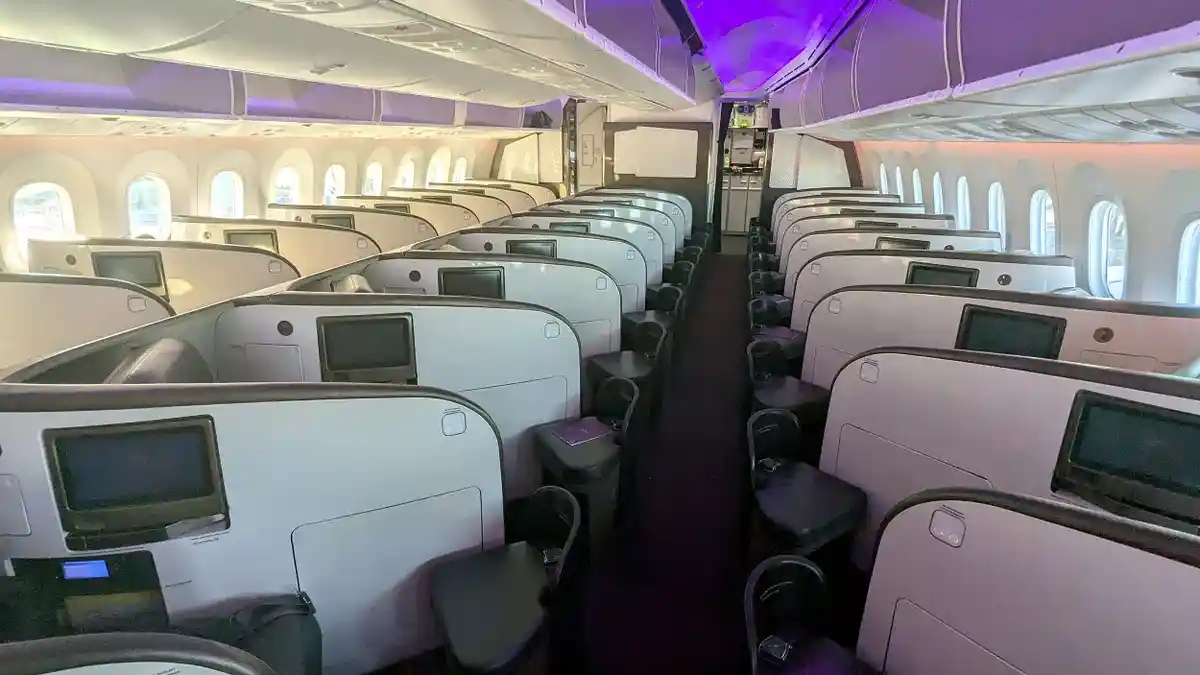
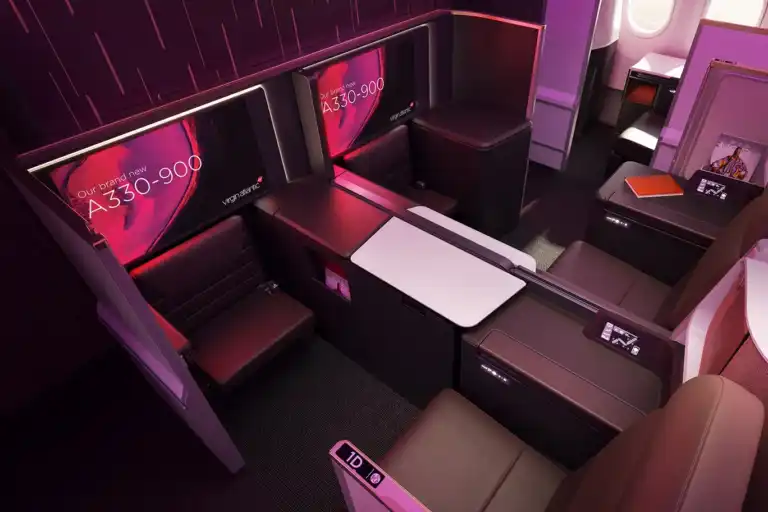
The airline currently configures its 787-9s with 31 Upper Class seats, 35 premium economy seats, and 192 economy seats. The upcoming full-fleet cabin refurbishment, set to begin in 2028, will bring the 787-9s in line with the carrier’s newest A330-900neos and A350-1000s.
How Virgin Atlantic Maximizes Its Dreamliners
Virgin’s approach centers on operational consistency. A single variant simplifies crew procedures, maintenance, and route planning. This unity allows the airline to:
- Maintain a predictable long-haul product across multiple key destinations
- Serve premium-focused travelers with a well-balanced cabin
- Optimize fleet utilization without juggling variant-specific constraints
The forthcoming interior overhauls will push Virgin’s Dreamliner offering into an even stronger premium segment, with redesigned Upper Class suites, expanded premium economy, and a reduced economy cabin.
The Upcoming Virgin Atlantic 787 Refurbishment
Virgin Atlantic’s 2025 announcement of a full 787 cabin refresh is one of the most significant upgrades in the airline’s modern history. Highlights include:
- Introduction of Vantage XL suites in a 1-2-1 layout
- Expansion of Upper Class from 31 to 44 suites, including eight Retreat Suites
- A significant upgrade to premium economy, increasing from 35 to 56 seats
- Reduction of economy capacity from 192 to 127 seats
This aligns the 787-9 with Virgin’s best-in-class products, reinforcing the aircraft as the backbone of the airline’s identity.
Fleet Comparison: The Clear Winner
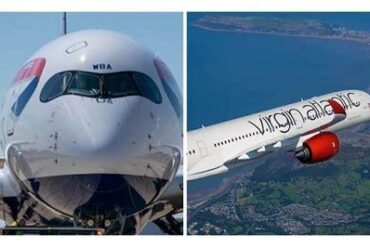
When comparing British Airways and Virgin Atlantic, the numbers alone tell a decisive story. British Airways operates a far larger Dreamliner fleet—42 aircraft to Virgin Atlantic’s 17. BA also benefits from the flexibility of all three variants, whereas Virgin operates only the 787-9.
However, scale isn’t the only factor. Each carrier’s strategy reveals deeper insights into how the Dreamliner fits within their long-term vision.
British Airways uses the Dreamliner family as a three-pronged solution that supports global connectivity across both legacy and emerging long-haul routes. The airline deploys its 787-10s on high-demand markets, uses the 787-9 for core transatlantic and Asian destinations, and leverages the 787-8 to maintain reach into thinner markets. This comprehensive approach strengthens the airline’s entire long-haul ecosystem.
Virgin Atlantic, by contrast, channels the 787-9 into its most strategically important leisure and premium-heavy markets. Though smaller, its fleet plays an outsized role in the airline’s brand identity, becoming the bridge to US West Coast cities, Indian subcontinent hubs, premium Caribbean travel, and seasonal global destinations.
Final Assessment: British Airways Dominates the UK Dreamliner Landscape
Within the UK long-haul market, the Boeing 787 is a crucial part of both airlines’ fleet strategies. Yet only one carrier stands out as the definitive leader in Dreamliner operations. British Airways operates more than twice as many 787s as Virgin Atlantic and commands all three variants, giving it a layered and adaptable fleet that supports a massive global network. Virgin Atlantic, while smaller in scale, uses its cohesive group of 787-9s to great effect, especially as cabin upgrades approach.
When the full picture is viewed—from fleet size to variant diversity, network strategy, and long-term development—British Airways clearly holds the stronger position as the UK’s largest Boeing 787 operator. Virgin Atlantic remains a refined, premium-driven competitor, but its reliance on a single variant underscores the gap in fleet depth. As the Dreamliner continues to evolve through the next decade, both airlines will refine their strategies further, but the current landscape leaves no doubt about which UK airline dominates the Dreamliner stage.