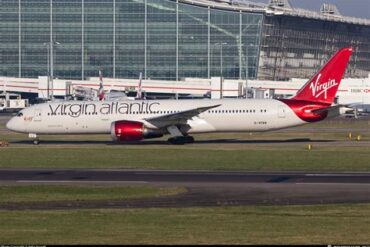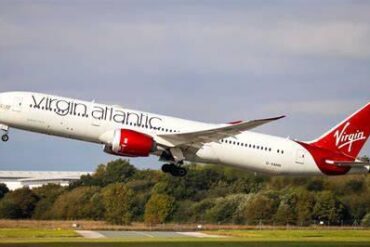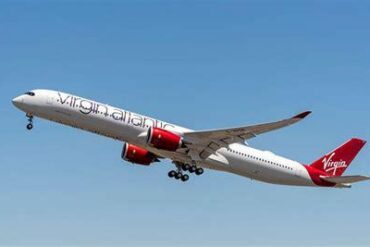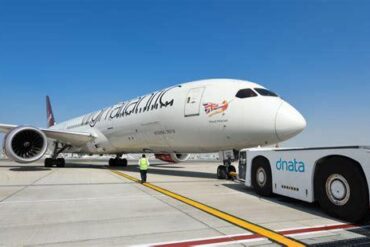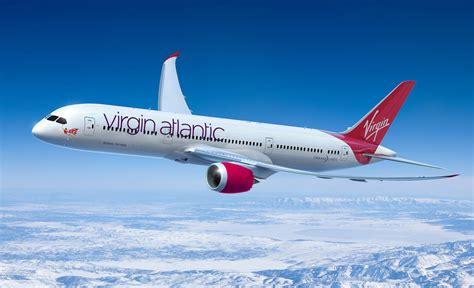
Virgin Atlantic enters 2025 with a sharpened focus on long-haul efficiency, global reach, and market versatility — a strategy powered significantly by the Boeing 787-9 Dreamliner. As an aircraft engineered for endurance and fuel-efficient performance, the 787-9 has become the backbone of Virgin Atlantic’s network, anchoring the airline’s busiest sectors and expanding its global footprint from its London Heathrow hub.
The airline’s history, rooted in its inaugural 1984 Gatwick–Newark service, has always been shaped by bold strategic moves and an appetite for long-haul connectivity. In 2025, that tradition continues through Virgin Atlantic’s carefully structured widebody fleet, built around just four aircraft families: the Airbus A330-300, the A330neo, the A350-1000, and its largest sub-fleet — the Boeing 787-9. With 17 Dreamliners in service, the type remains central to Virgin Atlantic’s long-range ambitions.
The reliability, efficiency, and mid-capacity profile of the 787-9 allow it to serve routes that require endurance without the oversized footprint of the A350-1000. This adaptability has shaped the airline’s most frequently operated services of 2025, which highlight recurring high-demand corridors linking the United Kingdom with India, the United States, and South Africa.
Virgin Atlantic’s streamlined fleet strategy reflects its commitment to long-haul specialization. While the A350-1000 serves the densest intercontinental markets and the A330neo bolsters mid-range efficiency, the 787-9 fills the critical middle ground. Its lighter frame, advanced engines, and balanced seat capacity allow the airline to deploy it on thinner, more competitive markets where flexibility and cost control matter most.
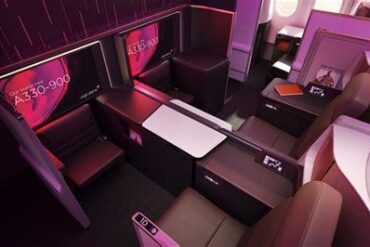
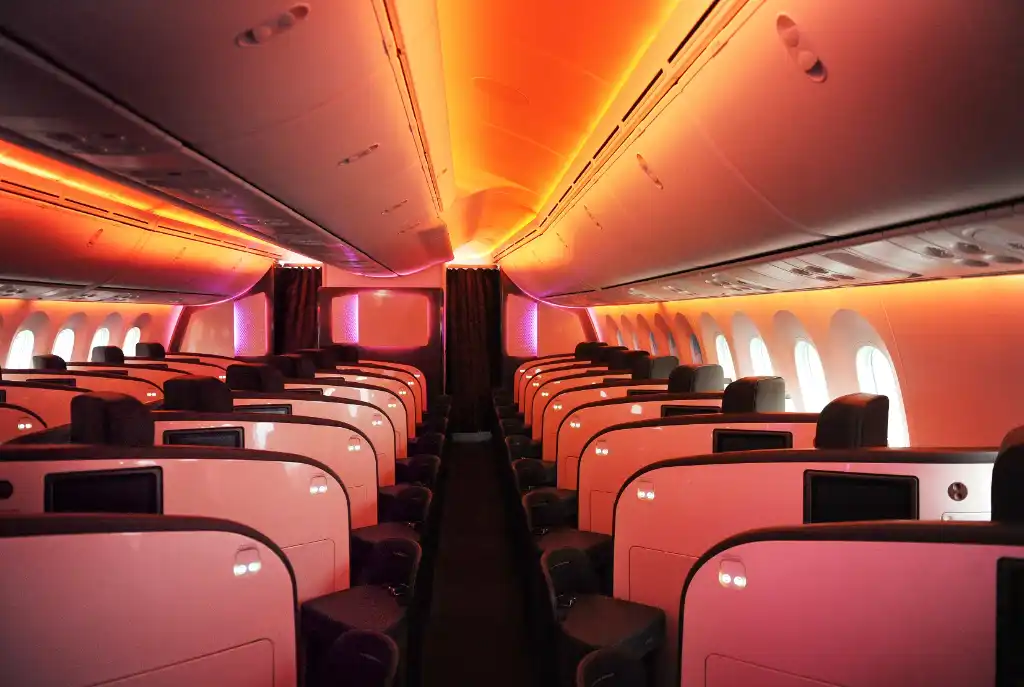
With 31 Upper Class, 35 Premium, and 192 Economy seats, the current 787-9 layout offers a well-rounded cabin mix. Though Virgin plans to refresh the configuration across 14 airframes by 2028, the Dreamliner already provides an experience defined by spacious windows, calming lighting, and the brand’s familiar mix of style and comfort.
2025’s Most Frequent Virgin Atlantic 787 Routes
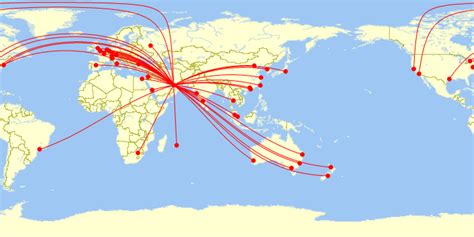
Cirium data reveals the five unique routes that dominate Virgin Atlantic’s 2025 Dreamliner rotations. Each stems from the carrier’s London Heathrow hub, reinforcing the airport’s strategic role as the gateway for long-haul connectivity. The top ten individual flight legs — five outbound and five inbound — together outline where the Dreamliner delivers maximum value.
The standout performer is the London Heathrow–Mumbai (LHR–BOM) service, operated 565 times in each direction. This immense frequency reflects strong corporate demand, robust VFR (visiting friends and relatives) traffic, and India’s growing economic influence. The route alone accounts for over 291,000 seats annually on the 787-9.
Close behind is the San Francisco–Heathrow (SFO–LHR) link, served 525 times per direction in 2025. Long a flagship corridor between the UK and Silicon Valley, the route remains a priority despite a more competitive transatlantic landscape. The Dreamliner’s balanced capacity makes it the ideal aircraft for tech-driven travel patterns that fluctuate seasonally yet remain reliably strong.
Next are the Los Angeles–London (LAX–LHR) rotations, operated 474 times each way. LA’s entertainment hubs, tourism volume, and extensive premium-cabin demand make it fertile ground for Virgin Atlantic’s distinct brand identity. While the carrier also deploys A350-1000s on select LAX frequencies, the Dreamliner provides consistency during off-peak cycles.
Bangalore and Johannesburg complete the roster of 2025’s most frequent 787-9 routes. Both represent markets with strong year-round demand: Bangalore for its technological and business links, and Johannesburg for its robust economy and steady mix of leisure and VFR traffic. Each is operated 362–363 times annually, confirming their role as dependable pillars within the airline’s international portfolio.
Why London Heathrow Anchors the Dreamliner Network
Every one of the 2025 top routes originates at London Heathrow, underscoring its position as Virgin Atlantic’s operational nucleus. Heathrow’s role as a global transfer hub, its proximity to Europe’s financial and commercial corridors, and its unmatched connectivity options make it the logical home for Virgin’s most versatile aircraft.
The Dreamliner’s range allows it to comfortably bridge Heathrow with destinations reaching deep into Asia, Africa, and the U.S. West Coast, aligning perfectly with the airline’s long-haul-only strategy. As Virgin Atlantic continues refining its route network, the 787-9 remains the preferred tool for markets requiring both endurance and consistent year-round service.
Manchester’s Role in Future 787 Deployment
Although the most frequent 2025 Dreamliner routes center on Heathrow, Virgin Atlantic maintains an important secondary hub at Manchester Airport. From Manchester, the airline serves destinations such as New York, Atlanta, Orlando, Las Vegas, and Barbados. Yet none of these currently use the 787-9.
This absence places Manchester in an intriguing strategic position. As demand evolves — particularly as Air India increases UK–India competition — Manchester could emerge as a candidate for Dreamliner deployment. Virgin Atlantic’s long-term expansion strategies hinge on demand, and Manchester’s growing international relevance may eventually warrant more 787-9 capabilities.
The Passenger Experience: Cabin Design, Seat Comfort, and Aircraft Personality
Virgin Atlantic’s 787-9 is crafted to deliver a signature onboard experience marked by hospitality, comfort, and stylish design. The Dreamliner’s expansive windows, quiet cabin, and advanced pressurization combine with Virgin’s aesthetic touches — vivid lighting, creative seat names, and polished cabin design — to produce an experience closely associated with the brand.
Unique to Virgin Atlantic is the tradition of naming each aircraft. Among the 787-9 fleet are Lady Freedom (G-VBEL), Amazing Grace (G-VBOW), and Queen Bee (G-VBZZ). Though the names do not alter the operational experience, they add personality that distinguishes Virgin Atlantic from more conventional carriers.
Partnerships That Expand the Dreamliner’s Reach
Virgin Atlantic’s membership in SkyTeam and its enhanced joint venture with Delta Air Lines, KLM, and Air France amplify the impact of its 787 routes. Shared scheduling, joint loyalty benefits, coordinated transatlantic services, and harmonized lounges allow Virgin to integrate its Dreamliner operations into a much broader network.
The joint venture accounts for nearly a quarter of all transatlantic capacity, making the Dreamliner’s U.S. West Coast routes crucial building blocks. Travelers from cities across the U.S. connect through Delta hubs onto Virgin Atlantic’s 787 flights at Heathrow, while KLM and Air France funnel European passengers into the same long-haul network.
Virgin Atlantic’s upcoming Seoul service, launching in 2026 and operated by the 787-9, demonstrates how the Dreamliner enables the airline to open new Asian markets without requiring the largest widebody in the fleet. Its efficiency and mid-capacity sweet spot make it the ideal aircraft for establishing new long-range footholds.
A 2025 Outlook Defined by Versatility and Global Ambition
The Boeing 787-9 remains one of Virgin Atlantic’s most important assets, shaping its most frequent routes and enabling network expansion across continents. It delivers more than a million seats each year from Heathrow alone and anchors the airline’s premium-focused, long-haul-only strategy.
As demand shifts and new global markets emerge, the Dreamliner’s adaptability makes it indispensable. Whether on high-volume India services, indispensable U.S. West Coast connections, or steadily performing African routes, the 787-9 stands as the workhorse of Virgin Atlantic’s fleet in 2025 — and is poised to continue playing a central role as the airline prepares for future cabin upgrades, new Asian routes, and evolving travel patterns.
Its blend of range, comfort, and efficiency ensures that Virgin Atlantic can meet global travelers where they are headed next, while sustaining the signature flair and service style that define the brand.