Commercial aviation entered 2025 under mounting pressure to reduce carbon emissions, yet the latest Cirium EmeraldSky Review shows that some airlines are already making measurable progress. Rather than waiting for futuristic propulsion systems or large-scale sustainable aviation fuel adoption, the world’s most efficient carriers are cutting emissions through smarter fleet planning, dense seating layouts, modern aircraft, and operational discipline.
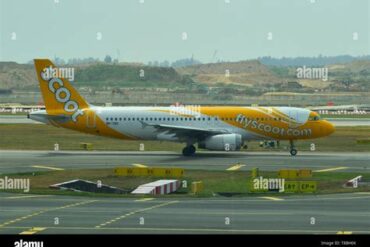
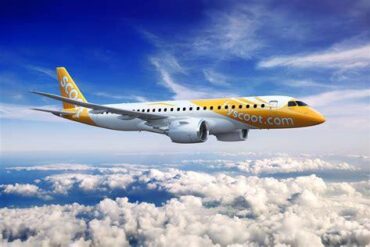
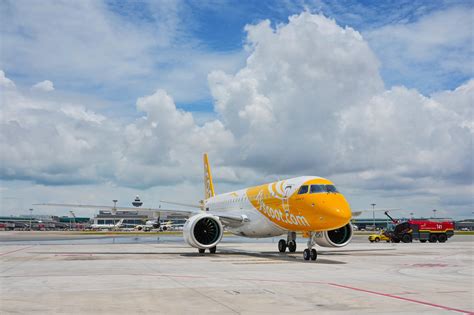
At the center of the rankings is Singapore-based Scoot, which achieved the lowest emissions intensity globally at just 51 grams of CO₂ per available seat kilometre (ASK). The achievement signals a broader shift within aviation: efficiency is no longer driven solely by geography or fuel prices, but by how intelligently airlines deploy aircraft and configure their cabins.
The 2025 results also reveal a fascinating divide between low-cost carriers and traditional long-haul airlines. Budget operators still dominate the top tier, but major intercontinental airlines are beginning to narrow the gap thanks to new-generation aircraft such as the Airbus A350 and Boeing 787 Dreamliner.
The data paints a clear picture of where aviation is heading — and which airlines are adapting fastest.
Scoot Becomes the World’s Most Emissions-Efficient Airline
Scoot’s rise to the top of the EmeraldSky rankings did not happen by accident. The airline has built an operational structure almost perfectly aligned with emissions efficiency metrics. Its fleet remains relatively young at an average age of 6.7 years, while its aircraft carry more than 240 seats on average, dramatically improving passenger-to-fuel ratios.
Equally important is Scoot’s network design. With average route lengths exceeding 2,100 kilometers, the airline minimizes the fuel-heavy inefficiencies associated with frequent takeoffs and landings. Longer sectors allow aircraft to spend more time in fuel-efficient cruise phases, reducing emissions per passenger kilometre.
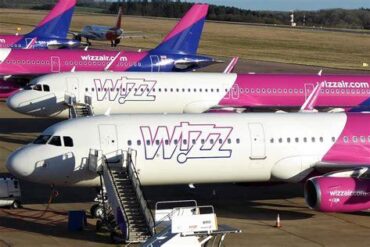
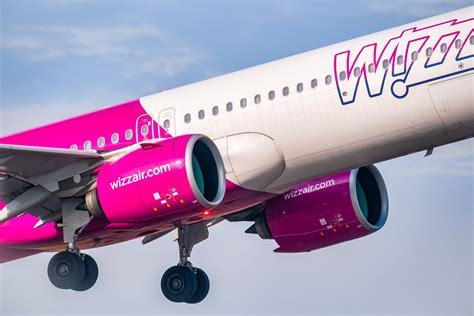
This balance of dense seating, efficient aircraft utilization, and medium-to-long-haul operations enabled Scoot to outperform European ultra-low-cost giant Wizz Air, which ranked second globally at 52.9 grams of CO₂ per ASK.
The global top five demonstrates how tightly linked emissions performance has become to operational simplicity:
- Scoot
- Wizz Air
- TUI Airways
- Air Europa
- Frontier Airlines
Notably, every airline in the top five relies heavily on efficient narrowbody aircraft and high-frequency fleet utilization. These carriers avoid excessive aircraft variety, streamline maintenance, and maximize seat occupancy across their networks.
Why Low-Cost Airlines Continue to Dominate Emissions Rankings
The dominance of low-cost carriers in emissions rankings is becoming increasingly difficult for legacy airlines to ignore. Airlines such as Wizz Air, Frontier, AirAsia X, Pegasus, and Jetstar consistently achieve lower emissions intensity because the economics of the low-cost model naturally reward fuel efficiency.
High-density cabin layouts are one of the biggest contributors. A traditional airline may allocate substantial cabin space to premium seating, lounges, and larger galleys, while budget carriers maximize passenger capacity. More passengers on the same aircraft spreads fuel burn across a larger number of travelers.
Wizz Air exemplifies this model exceptionally well. With one of Europe’s youngest fleets at an average age below five years, the airline aggressively operates Airbus A321neo aircraft, which consume significantly less fuel than older narrowbody jets. Its average sector length of approximately 1,550 kilometers also keeps operations within a highly efficient range.
Frontier Airlines in the United States follows a similar formula. The carrier’s all-Airbus fleet, dense seating configuration, and aggressive cost structure helped it secure fourth place globally with emissions intensity barely above 54 grams of CO₂ per ASK.
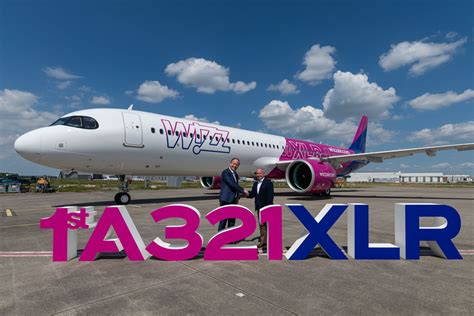
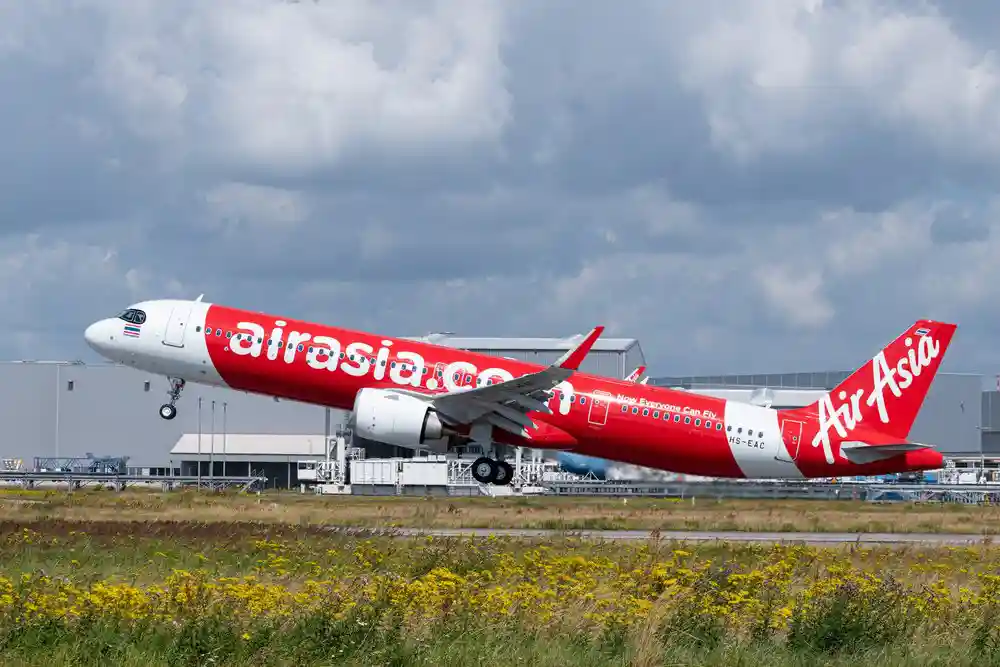
AirAsia X deserves particular attention because it proves efficiency is not limited to short-haul flying. Despite operating longer average sectors exceeding 4,100 kilometers and maintaining an older fleet than many rivals, the airline still ranked among the world’s best performers due to extremely high passenger capacity and efficient route deployment.
The findings reinforce a reality many industry analysts now openly acknowledge: the fastest path to lower aviation emissions is optimizing existing aircraft operations rather than waiting for revolutionary technologies that may take decades to scale.
Virgin Atlantic Leads Long-Haul Efficiency Improvements
Long-haul flying has historically faced criticism for its substantial carbon footprint, yet the 2025 rankings reveal meaningful progress among intercontinental operators.
Virgin Atlantic emerged as the standout performer in the long-haul category, ranking seventh globally while becoming the most emissions-efficient transatlantic airline. The carrier achieved 54.5 grams of CO₂ per ASK despite operating routes averaging more than 6,500 kilometers.
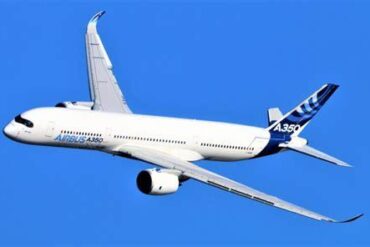
That result is particularly impressive because ultra-long-haul operations inherently consume enormous amounts of fuel. Virgin Atlantic’s performance stems largely from its modernization strategy centered around Airbus A350-1000 aircraft and Boeing 787 Dreamliners.
These aircraft deliver major efficiency gains through lighter composite structures, advanced aerodynamics, and next-generation engines. Compared with older Boeing 747s and early-generation 777 aircraft, fuel savings can exceed 20 percent on some routes.
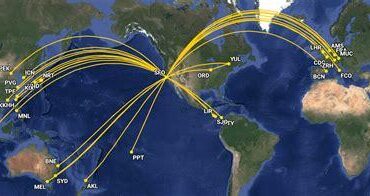
Air Canada also posted strong results, leading the transpacific category ahead of Delta Air Lines and Cathay Pacific. The airline’s extensive investment in Boeing 787 aircraft has transformed its long-haul emissions profile, especially on routes crossing the Pacific Ocean where fuel consumption historically represented a major operational burden.
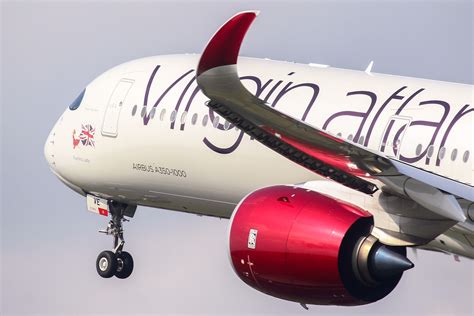
Aer Lingus additionally secured a strong position in the transatlantic segment, demonstrating that smaller network airlines can remain competitive through careful fleet renewal and disciplined operational planning.
The narrowing gap between short-haul and long-haul emissions intensity is one of the most significant developments in the 2025 report. While low-cost narrowbody operators still dominate overall rankings, widebody efficiency improvements are accelerating rapidly.
Fleet Modernization Is Delivering Immediate Carbon Reductions
One of the most revealing sections of the EmeraldSky Review focuses on airlines achieving the fastest reductions in emissions intensity. Nearly every major improvement stemmed from replacing older aircraft with modern alternatives.
Korean Air delivered the most dramatic gains globally. On its Seoul Incheon–Seattle route, the airline reduced CO₂ emissions per ASK by more than 27 percent after replacing Boeing 777-300ER aircraft with Boeing 787-9 and 787-10 variants.
The Seoul–Honolulu route saw another substantial reduction exceeding 22 percent after transitioning away from older Boeing 747 and 777 aircraft.
American Airlines also recorded major improvements. Replacing Boeing 777 aircraft with Boeing 787-9 jets on long-haul routes between New York and Delhi, as well as New York and São Paulo, produced emissions reductions approaching 20 percent.
British Airways achieved similarly notable gains after introducing Airbus A350-1000 aircraft on its London Heathrow–Hong Kong service. The transition cut route emissions intensity by more than 18 percent.
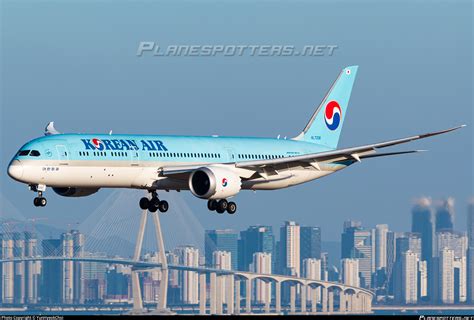
These changes highlight a crucial reality for the aviation sector: fleet renewal produces immediate, measurable environmental benefits without requiring entirely new fuel infrastructures or unproven propulsion systems.
For airlines facing mounting regulatory and investor pressure, replacing aging aircraft fleets is rapidly becoming both an environmental necessity and a financial strategy.
How Cirium Measures Airline Emissions Performance
The credibility of the EmeraldSky Review rests heavily on its methodology. Unlike simplified carbon calculators that estimate emissions primarily based on distance, Cirium’s system uses detailed operational data at the flight level.
The framework analyzes aircraft type, engine performance, seating configuration, utilization rates, taxi times, and cargo allocation to determine actual emissions intensity per available seat kilometre.
This approach creates a more realistic picture of airline efficiency. Two airlines operating the same route may produce very different emissions results depending on aircraft age, passenger density, and operational practices.
Cargo adjustment is another critical factor. Passenger airlines frequently transport freight in belly cargo compartments, and EmeraldSky allocates emissions proportionally between passengers and cargo rather than assigning all emissions solely to travelers.
The methodology has also undergone independent assurance under PwC’s ISAE 3000 standards, providing greater transparency at a time when environmental reporting is receiving heightened scrutiny across global aviation markets.
As governments tighten decarbonization targets and travelers become more conscious of airline sustainability records, detailed emissions benchmarking is likely to become increasingly influential in shaping consumer choice, corporate travel policy, and investor confidence.
The 2025 rankings show that the airlines making the greatest progress are not necessarily those with the loudest sustainability campaigns. Instead, the leaders are carriers making disciplined operational decisions every single day — deploying newer aircraft, maximizing efficiency, and extracting more performance from every kilometer flown.