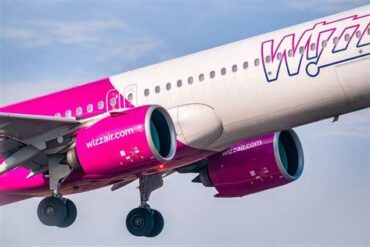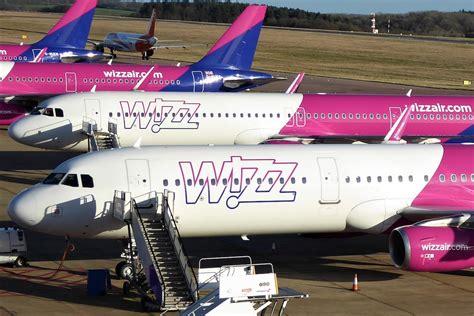
The abrupt withdrawal of Wizz Air Abu Dhabi from its strategic Gulf-to-Europe routes has catalyzed a new era of high-stakes competition, as regional and legacy carriers vie to capture growing demand between the Middle East and Europe. With routes such as Abu Dhabi–Belgrade and Abu Dhabi–Sarajevo suddenly vacated, a fresh wave of expansion is being plotted by ambitious players including Etihad Airways and Air Arabia Abu Dhabi, alongside rising aviation interests across Serbia, Bosnia and Herzegovina, the Czech Republic, Poland, Russia, and Germany.
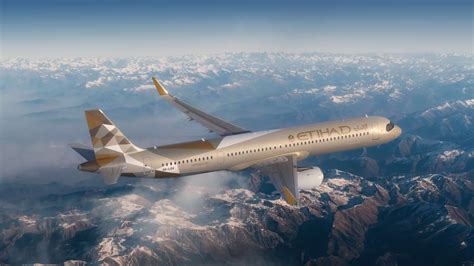
Wizz Air’s Exit Disrupts a Rapidly Growing Corridor
Wizz Air’s strategic pullout from several European destinations connected to Abu Dhabi has surprised both analysts and consumers. The low-cost airline, which once championed connectivity between the UAE and Southeast Europe, has vacated high-demand routes just as passenger traffic spikes across the region. These services were key in supporting diaspora mobility, cultural tourism, and a rising volume of business travelers connecting the Gulf with emerging European cities.
The vacuum left behind is particularly evident in the Balkan region, where direct air access has historically been limited. With the exit of Wizz Air, these underserved markets have become ripe for new entrants—particularly those equipped with robust infrastructure, dynamic route strategy, and financial backing.
Etihad Airways Reclaims Its Footing in Europe
Etihad Airways, the UAE’s national carrier, is rapidly capitalizing on the opportunity presented by Wizz Air’s departure. Fresh off a major restructuring and profitability rebound, Etihad is once again expanding its global footprint—adding 20 new destinations in the past year alone. Of particular relevance are new services to Prague, Warsaw, and Sochi, with Krakow in consideration for 2026.
Etihad’s prior experience operating flights to Belgrade positions it favorably for re-entry. Between 2013 and 2020, the airline ran daily flights between Abu Dhabi and Serbia’s capital, moving over 114,000 passengers in 2019 alone. That year, the route boasted an 87.2% load factor, showcasing immense demand, largely supported by a strategic codeshare with Air Serbia.
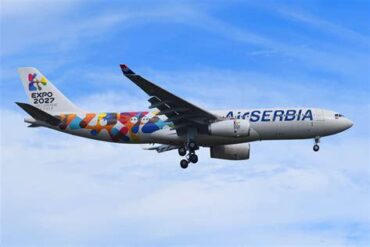
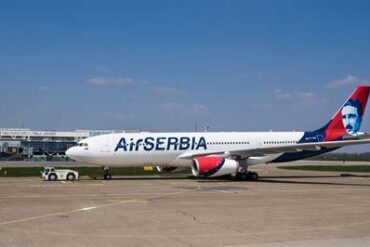
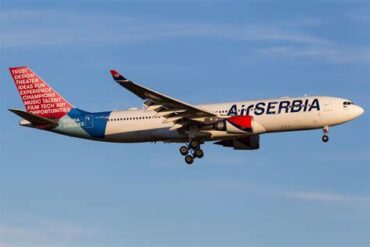
Air Serbia remains a vital partner, and a renewed collaboration could once again turn Belgrade into a major transit hub for passengers connecting between Western Europe and the Gulf. This, paired with Etihad’s increased point-to-point focus and fleet optimization, makes Serbia a likely centerpiece in the airline’s renewed European ambitions.
Sarajevo in the Spotlight: A Hidden Gem for Expansion
The Bosnian capital of Sarajevo has also re-emerged as a priority market. Sarajevo International Airport has openly identified Abu Dhabi as a key unserved route, even classifying it among more than 20 strategically critical connections eligible for government incentives. This puts Bosnia and Herzegovina in a strong position to attract new carriers seeking to enter Southeast Europe without the hyper-competitive pressures seen in major EU markets.
Historically, Air Arabia Abu Dhabi has tested seasonal flights to Sarajevo in 2021 and 2022, indicating a pre-existing interest in the route’s performance. The city draws consistent leisure travel from the UAE and surrounding Gulf states, thanks to shared cultural ties, visa ease, and affordable tourism. With Wizz Air gone, Sarajevo’s importance in the Gulf-European network is amplified.
Air Arabia Abu Dhabi Eyes a Strategic Leap
While Etihad targets premium and long-haul segments, Air Arabia Abu Dhabi is tactically well-positioned to conquer price-sensitive and volume-driven routes. A joint venture between Air Arabia and Etihad, the airline has so far concentrated on regional markets in South Asia, the Levant, and North Africa. However, it is gradually tilting westward.
From its Sharjah base, Air Arabia is rolling out new services to Prague, Munich, and Warsaw Modlin for winter 2025. These choices highlight a calculated effort to penetrate underserved European cities where budget-conscious Gulf travelers and VFR (Visiting Friends and Relatives) traffic remain strong. Expanding operations to include Abu Dhabi–Europe connections is a natural next step.
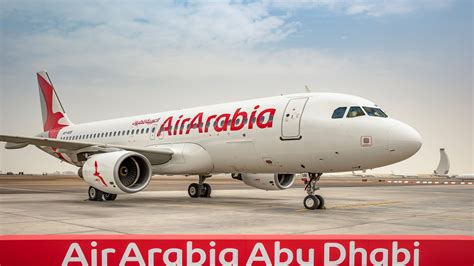
The airline’s low-cost model, paired with Abu Dhabi’s growing stature as a tourism, trade, and events hub, aligns perfectly with evolving passenger expectations. Moreover, should Abu Dhabi International Airport offer incentives akin to those in Sarajevo, the cost-benefit appeal for Air Arabia becomes even stronger.
Czech Republic, Poland, Russia, and Germany Enter the Frame
Beyond the Balkans, broader Central and Eastern European nations are increasingly being drawn into this evolving air travel contest. With Etihad’s and Air Arabia’s expanded reach, cities such as Prague, Warsaw, and Munich are being integrated into Gulf networks with greater frequency.
- Poland: Etihad’s new Warsaw route and future plans for Krakow signal a serious push into the Polish market. Polish tourism to the UAE has surged in recent years, and Warsaw serves as a gateway for neighboring Baltic states.
- Czech Republic: Prague’s inclusion in both Etihad’s and Air Arabia’s route maps reflects sustained demand for leisure travel from Central Europe to the Gulf.
- Russia: Sochi’s addition, while complex due to geopolitical tensions, illustrates how Etihad is targeting regional leisure destinations with growth potential.
- Germany: As one of Europe’s aviation anchors, Munich is now part of Air Arabia’s network—offering a springboard into German-speaking Europe and beyond.
These developments are shaping a broader narrative: secondary European cities, not just traditional capitals, are increasingly sought-after in the Gulf’s aviation strategy.
The Broader Stakes: A New Aviation Race Unfolds
This multi-nation reshuffling is far more than a network adjustment. It signifies a strategic realignment of air corridors that connect fast-growing Gulf aviation hubs with dynamic but underserved parts of Europe. The competition extends beyond route launches—into partnerships, pricing strategies, airport incentives, and tourism synergies.
Abu Dhabi is at the heart of this transformation. Its dual-airline system—Etihad as the full-service carrier, Air Arabia Abu Dhabi as the low-cost arm—provides flexibility that few cities can rival. By harnessing both premium and economy segments, Abu Dhabi is positioned to fill the Wizz Air gap not with a like-for-like replacement, but with a diversified and strategically layered network.
In addition, rising inter-governmental cooperation between the UAE and key European nations bolsters the aviation equation. Visa waivers, bilateral air service agreements, and joint tourism promotion campaigns are accelerating route viability.
Outlook: From Opportunity to Dominance?
The departure of Wizz Air is more than just an airline reshuffle. It has ushered in a new chapter for Gulf–Europe aviation, where the convergence of demand, strategic infrastructure, and governmental support offers fertile ground for expansion.
For Etihad Airways, this is a chance to recapture lost ground, reinforce ties with Eastern Europe, and project its renewed post-pandemic strength. For Air Arabia Abu Dhabi, the moment represents a gateway to evolve into a pan-regional budget powerhouse, extending its reach across markets long dominated by Western LCCs.
As countries like Serbia, Bosnia and Herzegovina, Czech Republic, Poland, Russia, and Germany compete to attract Gulf connectivity, the outcome could reshape regional tourism flows, diaspora mobility, and business ties for years to come.
Ultimately, this is no longer about simply filling a void—it’s about defining the future of Gulf-European air travel, with Abu Dhabi as the launchpad and the sky, once again, wide open.