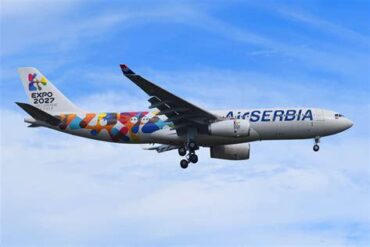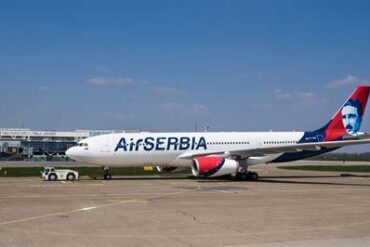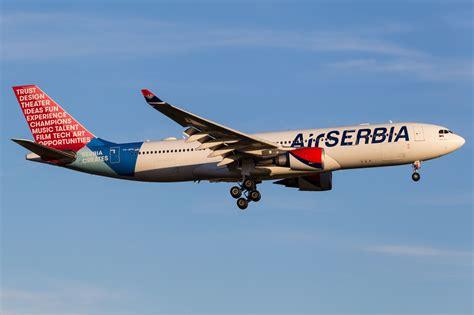
Air Serbia’s bold success in Georgia, particularly through its Tbilisi route, has ignited a sweeping strategic expansion throughout Eastern Europe. Riding the wave of burgeoning passenger demand and regional interest, the airline is now extending its network deeper into the Caucasus, setting sights on Armenia, Azerbaijan, and surrounding markets. This decisive move not only cements Air Serbia’s role as a dominant regional connector but also exemplifies its ambition to foster comprehensive, sustainable, and culturally enriching travel experiences.
Strategic Expansion Rooted in Tbilisi’s Success
The launch and rapid rise of the Belgrade–Tbilisi route became a pivotal turning point for Air Serbia. Since its inception, this route has experienced exceptional uptake, driven by both business and leisure travelers. The surge in popularity highlights Tbilisi’s emerging status as a regional hub, known for its growing economy, cultural richness, and strategic geographic position.
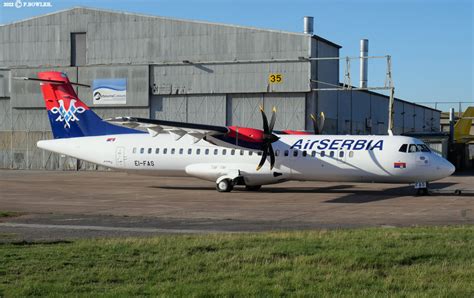
The success of the Tbilisi route did more than fill seats — it provided critical market validation. Data from the route indicated a consistent upward trend in load factors, return visits, and transit traffic, all of which pointed to an underserved demand. Recognizing this, Air Serbia is seizing the momentum to replicate this formula in neighboring markets.
Strengthening Regional Connectivity Through New Routes
Air Serbia’s expansion is about far more than new destinations. It is a methodical initiative aimed at bridging nations, boosting economies, and empowering people-to-people ties. By venturing into Armenia and Azerbaijan, the airline taps into a growing appetite for intra-regional travel, offering alternatives to more circuitous or costlier air options.
Belgrade’s central position gives it a natural advantage. As the gateway to both the EU and Eurasia, it allows seamless transit, enabling travelers from Yerevan, Baku, and Tbilisi to access not only Serbia but also Western Europe via fast connections.
Economic Synergies and Tourism Boost
The ripple effects of improved air access are profound. With enhanced connectivity:
- Tourism flows increase in both directions, with Serbian travelers discovering the Caucasus, and Armenian and Azerbaijani tourists exploring the Balkans.
- Local businesses flourish, from hotels and transport providers to restaurants and tour agencies.
- Trade delegations and investment forums benefit from easier logistics, encouraging cross-border commerce.
Air Serbia’s growing presence in Eastern Europe serves as an economic multiplier, stimulating hospitality sectors, employment, and infrastructure growth wherever it touches down.
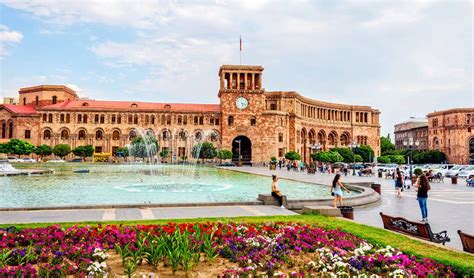
Cultural Bridges: More Than Just Flights
Each flight between Serbia and the Caucasus is more than a physical journey. It is a conduit for cultural dialogue, enabling deeper understanding and friendship between peoples once connected primarily by history but rarely by direct travel.
In Tbilisi, the success of the route led to a series of cultural initiatives — from Serbian film screenings to Georgian cuisine festivals in Belgrade. Similar plans are being developed for Yerevan and Baku, with Air Serbia positioning itself as a catalyst for cultural enrichment and regional unity.
These exchanges are not just symbolic. They deepen educational partnerships, support heritage tourism, and strengthen diaspora links, particularly in regions with historic or ethnic ties.
Responding to Market Demand with Strategic Precision
Air Serbia’s latest route decisions are not driven by speculation. Each destination has undergone meticulous market analysis, examining tourism trends, diaspora populations, corporate interests, and bilateral relations. Armenia and Azerbaijan emerged as top candidates not only due to increasing tourism but also their strategic political and economic relevance in Eurasia.
- Armenia’s Yerevan Zvartnots Airport has seen steady growth, fueled by demand from Europe and Russia.
- Baku’s Heydar Aliyev International Airport is rapidly modernizing, reflecting Azerbaijan’s global ambitions.
By aligning expansion with demand data, Air Serbia ensures route sustainability, avoiding overextension and maintaining profitability.
Commitment to Passenger Experience
As its footprint grows, Air Serbia remains steadfast in delivering premium passenger experiences. Expansion won’t dilute quality. On the contrary, the airline is investing in:
- Enhanced in-flight services including regionally inspired menus
- Expanded multilingual customer support for Eastern European passengers
- Optimized flight schedules to ensure better connections through Belgrade

Customer satisfaction remains central, with on-time performance, comfort upgrades, and digital integration—such as mobile boarding and real-time flight tracking—serving as pillars of service excellence.
Sustainability at the Core of Expansion
While Air Serbia’s growth is aggressive, it’s equally grounded in sustainability principles. The airline continues its efforts to reduce carbon emissions, enhance fuel efficiency, and embrace eco-conscious operational practices. This includes:
- Deploying new-generation aircraft on longer routes to reduce environmental impact
- Adopting flight path optimization systems for lower fuel burn
- Introducing paperless operations and expanding digital services
These green measures not only respond to regulatory pressures but also resonate with today’s eco-conscious travelers, many of whom actively seek out airlines with a proven commitment to sustainability.
Managing Operational Complexity Amid Expansion
No expansion comes without challenges. Introducing new routes in geopolitically sensitive regions like the Caucasus demands careful coordination. Air Serbia has invested in:
- Cross-border regulatory compliance to ensure smooth entry into new markets
- Robust contingency planning for route stability amid political changes
- Strengthened logistical operations, including ground handling partnerships in new airports
Operational excellence remains the linchpin. Air Serbia’s internal training programs and strategic collaborations ensure it maintains its standards even as its network grows more complex.
A Vision for Long-Term Regional Leadership
This expansion is not a temporary growth spurt. It’s a deliberate step in Air Serbia’s long-term regional vision—to become the premier air connector for the Western Balkans and Eastern Europe.
This includes:
- Developing Belgrade into a major transfer hub connecting Europe with the Caucasus and Central Asia
- Expanding interline agreements and codeshares to increase accessibility for passengers from remote markets
- Establishing loyalty and partnership programs with local tourism boards and carriers
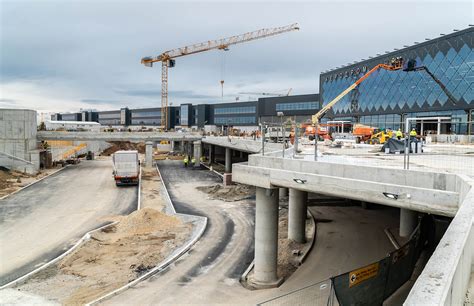
The ongoing transformation of Belgrade’s Nikola Tesla Airport supports this vision, offering increased capacity, modern terminals, and enhanced passenger amenities—laying the groundwork for continued growth.
Conclusion: Air Serbia’s Role in the Future of Eastern European Aviation
With the Tbilisi success as a springboard, Air Serbia’s strategic leap into Armenia, Azerbaijan, and adjacent markets showcases a smart, data-driven, and future-facing growth plan. It merges economic foresight with passenger-centric values, technological innovation, and environmental responsibility.
By positioning itself as a true connector of East and West, Air Serbia not only strengthens its market presence but also contributes meaningfully to regional integration, economic development, and cultural unity. Its expanding route map is not just a blueprint for commercial success—it’s a pathway to a more connected, cooperative, and prosperous Eastern Europe.