The aviation sector is witnessing a pivotal shift toward greener ground operations as Airbus’ ‘Taxibot’ hybrid-electric tug program gains momentum across major global airports. As environmental pressure intensifies and efficiency becomes paramount, Airbus is positioning its latest innovation as a key player in transforming the way aircraft taxi on runways.
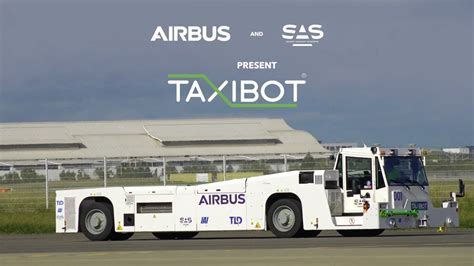
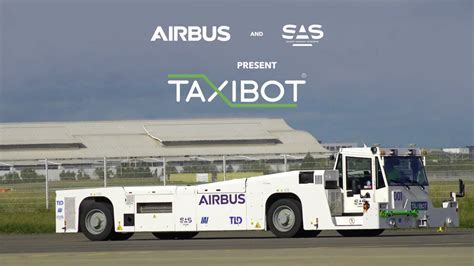
The Taxibot, developed under the ambitious European HERON (Highly Efficient gReen OperatioNs) initiative, represents a significant leap in reducing carbon emissions and operational costs during taxi phases. Traditionally, aircraft taxi under their own power, burning fuel inefficiently while producing emissions and noise. The Taxibot, however, is designed to break that norm.
What Makes the Airbus Taxibot a Game-Changer?
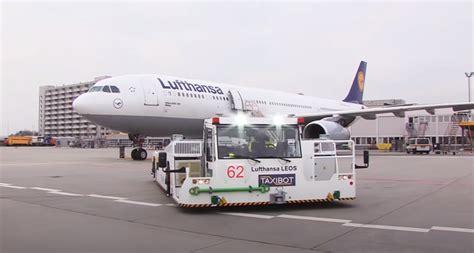
At its core, the Taxibot is a hybrid-electric tug, equipped with both an internal combustion engine and an electric motor. While hybrid ground vehicles are not new to airports, the operational model of the Taxibot is revolutionary. Typically, tugs are only used for pushbacks—briefly connecting to the aircraft before detaching. With the Taxibot, the connection continues beyond pushback, fundamentally changing taxi procedures.
Once the aircraft is connected, pilots themselves control the tug directly from the cockpit using the tiller, thanks to minor avionics modifications developed and certified by Airbus. The aircraft’s nose gear remains securely clamped by the tug, with pilots steering, braking, and regulating speed—all without firing up the jet engines.
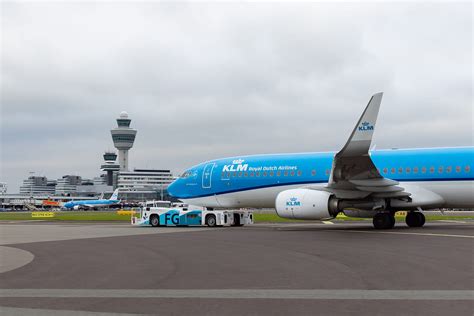
This method drastically reduces fuel consumption, particularly at airports with extensive taxi distances. For instance, Amsterdam’s Schiphol Airport, known for its lengthy taxiways, is among the first hubs trialing this technology.
Environmental and Economic Benefits: More Than Just Fuel Savings
The implications of the Taxibot stretch far beyond immediate operational savings. According to Airbus, ground fuel consumption during taxiing can be reduced by 50% to 85%, depending on specific airport configurations and taxi distances.
The benefits include:
- Significant reductions in CO₂ and NOₓ emissions during ground operations.
- Lower noise pollution levels within airport environments.
- Reduced wear and tear on aircraft engines, cutting maintenance costs and extending engine life.
- Enhanced operational flexibility, especially in congested hubs where sustainable solutions are urgently needed.
Moreover, the economic case is clear. With jet fuel prices fluctuating and sustainability mandates tightening worldwide, airlines see hybrid-tug technology as a logical pathway to achieving both environmental targets and bottom-line improvements.
Global Trials and Deployment: Where Is the Taxibot in Action?
While still in its advanced trial phase, the Taxibot is already making its mark across several major international airports. The current model is tailored for single-aisle aircraft, with trials conducted at key locations including:
- New York’s JFK International Airport
- Indira Gandhi International Airport in New Delhi
- Paris Charles de Gaulle Airport
- Brussels Airport
- Amsterdam Schiphol Airport
Leading low-cost carrier easyJet has committed to launching its own trials at Schiphol in 2025, a sign of growing airline confidence in the technology’s potential.
In parallel, Airbus is advancing research to adapt the Taxibot for its widebody fleet, which includes the A330 and A350 series. The potential environmental impact of deploying hybrid-electric tugs for large twin-aisle jets is enormous, given their higher fuel consumption rates.
The Broader HERON Initiative: Europe’s Decarbonization Push
The Taxibot is only one element of Europe’s far-reaching HERON project, designed to slash the environmental footprint of the aviation industry. Spearheaded by a consortium of 24 partners, including major players such as Air France, Lufthansa, Brussels Airport Company, EUROCONTROL, and aerospace giant Leonardo, HERON reflects Europe’s unified commitment to sustainable aviation.
Beyond hybrid-electric tugs, the HERON program explores multiple complementary strategies:
- Expansion of single-engine taxiing practices, already a proven method for reducing fuel burn.
- Development of advanced air traffic management tools, such as ADS-C EPP, enabling enhanced data exchange between aircraft and air traffic control for optimized operations.
- Refinement of arrival and departure procedures to minimize holding patterns, delays, and associated emissions.
The HERON initiative aligns with ambitious airport-specific targets, such as Schiphol Airport’s pledge to become zero-waste and emission-free by 2030, underscoring the pressing need for scalable, innovative solutions like the Taxibot.
The Technical Edge: Seamless Cockpit Integration and Avionics Modifications
Central to the Taxibot’s appeal is its seamless integration into existing aircraft systems. Airbus emphasizes that avionics modifications required for Taxibot operations are minor and cost-effective, avoiding complex or expensive overhauls.
Once installed, pilots operate the tug intuitively using the standard cockpit tiller, enabling them to:
- Steer the aircraft precisely along taxiways.
- Control speed and braking without relying on engine thrust.
- Engage and disengage the tug near the runway threshold, with minimal disruption to standard procedures.
This pilot-controlled model not only boosts efficiency but enhances safety by reducing reliance on ground personnel in congested apron areas.
Scaling Up: Adapting the Taxibot for Airbus’ Full Aircraft Portfolio
While the current iteration of the Taxibot focuses on single-aisle aircraft, Airbus’ vision extends to its entire product line. The European planemaker is actively working to expand hybrid-tug capabilities to its widebody aircraft, including:
- A330 family, covering both passenger and freighter variants.
- A350 series, including the ultra-efficient A350-900, A350-1000, and forthcoming A350F freighter model.
Given the high fuel burn rates during taxi operations for widebody jets, the environmental and economic benefits of adopting the Taxibot at scale could be transformative for global airline operations.
Industry-Wide Implications: A Blueprint for Sustainable Ground Handling
As airlines, airports, and regulators rally around decarbonization targets, the success of the Taxibot trials carries broader implications for the aviation industry. If widely adopted, hybrid-electric tugs could become the new standard for ground handling operations worldwide.
Crucially, the program reflects a growing realization that sustainable aviation extends beyond the aircraft itself. Ground operations—often overlooked in emissions debates—represent a substantial opportunity for improvement.
In parallel with in-flight emissions reduction efforts, technologies like the Taxibot demonstrate that meaningful progress can be achieved today by rethinking how aircraft move on the ground.
The Road Ahead: From Trials to Global Rollout
The current Taxibot trial program, supported by HERON, is slated to conclude in December 2025, with key performance data expected to guide further development and certification.
If successful, industry experts anticipate rapid expansion of hybrid-tug use across airports globally, supported by:
- Increasing regulatory incentives for sustainable ground operations.
- Growing airline demand for cost-effective fuel-saving technologies.
- Escalating public and political pressure to decarbonize aviation.
For Airbus, the Taxibot initiative underscores its leadership role in shaping greener aviation ecosystems. Combined with parallel projects like the ZEROe hydrogen aircraft, Airbus is building a comprehensive portfolio of solutions aimed at achieving net-zero emissions.
As environmental standards tighten and operational efficiency takes center stage, innovations like the Taxibot are poised to redefine industry norms—paving the way for a cleaner, quieter, and more efficient future for global aviation.