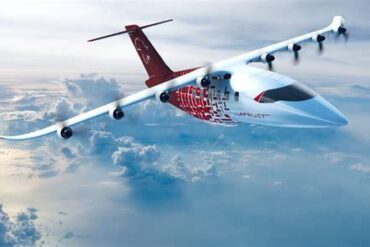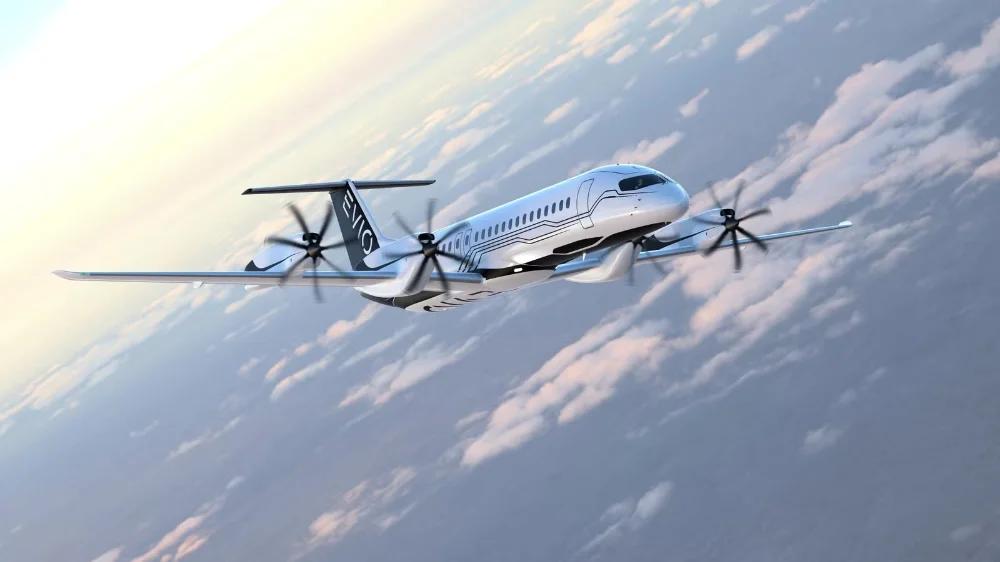
EVIO Inc has unveiled a game-changing advancement in the world of regional aviation with the official launch of the EVIO 810 hybrid-electric regional jet. Designed in Canada and supported by aerospace giants such as Boeing and Pratt & Whitney, the EVIO 810 is a clean-sheet aircraft tailored for a future driven by sustainability, efficiency, and next-generation technology. With an impressive 450 orders already secured, the momentum behind this revolutionary aircraft is undeniable.
EVIO 810: Engineering a Strong-Hybrid Future
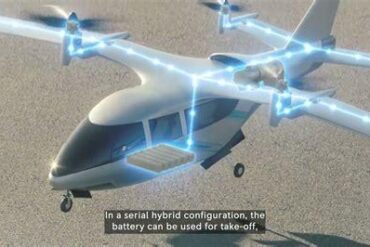
At the heart of the EVIO 810 lies a strong-hybrid propulsion system, an architecture that allows the aircraft to operate in multiple power modes—most notably, full-electric power during takeoff, landing, and short-range flights. This dramatically reduces local emissions and noise pollution, aligning with global environmental goals and offering significant benefits to communities near regional airports.
Designed to accommodate up to 76 passengers in a typical two-class configuration, the 810 directly addresses a sweet spot in regional operations. The aircraft’s projected range of 500 nautical miles (926 km) and takeoff weight of 86,000 lbs (39,000 kg) make it ideal for high-frequency routes that dominate the regional flight network in North America and beyond.
Strategic Fit for the US Market and Beyond
The EVIO 810’s capacity of 76 seats is tailored to meet US scope clause limitations, ensuring the aircraft is a perfect fit for existing airline union contracts, which limit the number of seats regional affiliates can operate. This makes the EVIO 810 instantly viable for US carriers looking to modernize their fleets without breaching existing labor agreements.
Michael Derman, CEO of EVIO, underscored the aircraft’s significance:
“We’ve recognized early on that a strong-hybrid architecture can provide unmatched efficiencies for airlines, helping them sustain vibrant regional networks in a cost-effective, responsible way.“
His words reflect a vision rooted in the pragmatic transformation of regional aviation—one where cost, performance, and environmental responsibility coalesce seamlessly.
A Market Ready for Disruption
EVIO’s confidence is not misplaced. Over the next two decades, more than 5,000 regional jets and turboprops are slated for retirement. With growing pressure to reduce emissions and soaring operational costs of aging aircraft, there is an acute demand for technologically advanced replacements. EVIO anticipates a market demand for over 7,500 aircraft in the 50–100 seat segment during this period.
Adding urgency to the need for modern aircraft is the stark data from the past five years: 2,650 regional aircraft retired, only 750 replaced, leading to a 27% reduction in fleet size. This mismatch is particularly glaring given that flights under 500 miles still represent nearly half of all global flights on a daily basis.
Multiple Variants, Multi-Mission Vision
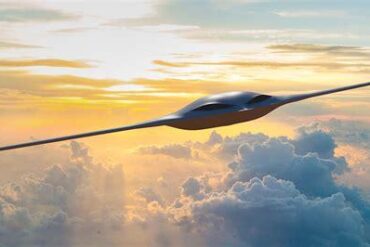
Beyond its core passenger application, the EVIO 810 is being positioned as a multi-mission platform. The aircraft’s flexible design enables adaptability for cargo and military applications, expanding its market appeal and potential revenue streams. The military-grade capabilities suggested by the manufacturer reflect a clear intention to penetrate defense and specialized operations markets.
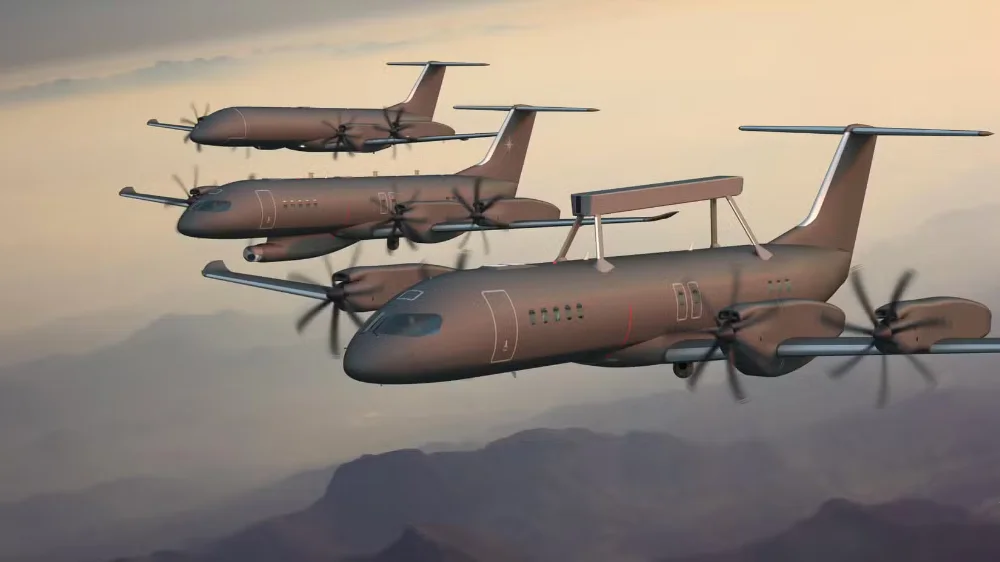
This strategic diversification ensures that the 810 is not limited to just commercial airline operations. Whether supporting logistics chains, government contracts, or low-emission regional missions, the EVIO 810 is structured to thrive.
Robust Backing from Aerospace Titans
Key to the credibility and likely success of the EVIO 810 program is the robust support from industry powerhouses. Boeing, through its Canadian division, has committed to technical and financial collaboration. Al Meinzinger, President of Boeing Canada, praised the aircraft, calling it “an example of the promising innovation in the country’s aerospace sector.”
EVIO’s propulsion ambitions are equally ambitious. The company is working closely with Pratt & Whitney Canada, a global leader in aircraft engine technology, to develop bespoke hybrid-electric engines for the aircraft. Scott McElvaine, VP of Sales & Marketing at Pratt & Whitney Canada, emphasized the strategic importance of this effort:
“This collaboration is an exciting opportunity to advance the potential of novel hybrid-electric aircraft architectures.“
Such partnerships not only validate EVIO’s engineering vision but also provide critical access to technical expertise, regulatory pathways, and market credibility.
A Launch with Serious Numbers
The numbers speak volumes. EVIO has already secured 250 conditional purchase agreements and 200 additional options, bringing the total order count to 450 aircraft. These commitments represent a strong vote of confidence from early adopters, likely regional carriers seeking long-term cost savings, regulatory compliance, and ESG-driven fleet renewal.
EVIO is targeting entry into service in the early 2030s, a timeline that aligns well with the projected wave of aircraft retirements and global regulatory timelines for emissions reduction targets. This positioning gives EVIO a valuable runway to complete certification, testing, and production ramp-up without the burden of rushing the process.
The Path Ahead: Challenges and Opportunities
While the excitement around EVIO’s launch is palpable, the road ahead will require navigating regulatory complexities, supply chain constraints, and technological risk. Certification of a hybrid-electric aircraft—especially one that may fly fully electric in certain phases—is a complex endeavor. However, with the backing of experienced players like Boeing and Pratt & Whitney, EVIO has access to the tools and mentorship necessary for success.
Moreover, the momentum around sustainable aviation and government support for green technology may provide both regulatory incentives and funding to accelerate development.
The EVIO 810 is not just a product—it is a symbol of the future of flight: regional, responsible, and remarkably efficient. If the company stays the course, this could be one of the defining aircraft of the next generation.