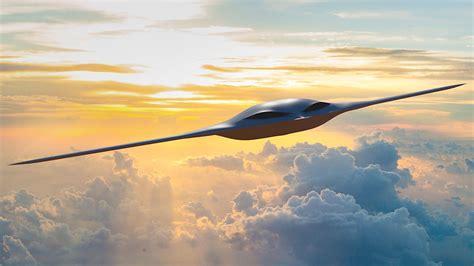
The U.S. Air Force Research Laboratory (AFRL) has set the stage for a transformative leap in aerial combat and reconnaissance capabilities through its newly awarded contract to General Atomics Aeronautical Systems Inc. (GA-ASI). Valued at over $99 million, this cost-plus-fixed-fee agreement will fund the development of a next-generation unmanned aerial system (UAS), codenamed GHOST, designed with hybrid-electric propulsion and ducted fan technology. It is a bold departure from legacy platforms and signals a clear evolution in U.S. drone warfare — one focused on stealth, endurance, and multi-role versatility.
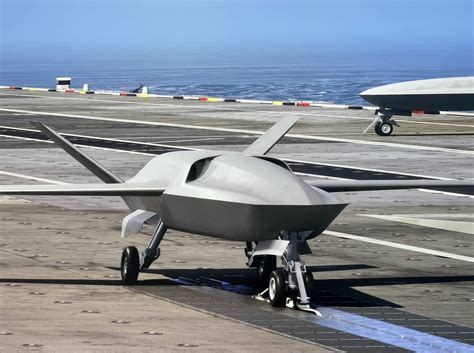
The Rise of the GHOST: A Strategic Technological Shift
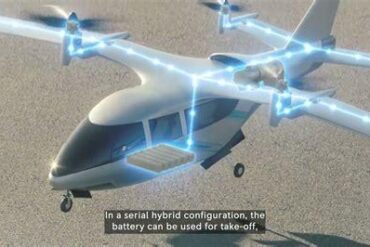
Unlike traditional drones powered solely by combustion engines, GHOST is engineered to integrate a hybrid-electric powertrain, allowing for substantial gains in fuel efficiency, stealth characteristics, and flight endurance. General Atomics has indicated that this system may enable drones to remain airborne for up to 60 hours, offering persistent ISR (intelligence, surveillance, reconnaissance) capabilities over contested zones.
The hybrid-electric configuration isn’t simply a nod to greener propulsion; it’s a strategic enabler for covert operations. Electric motors contribute to a drastically reduced acoustic signature, a major asset in denied airspace operations. Ducted fans — enclosed within a cylindrical shroud — add another layer of stealth and aerodynamic efficiency, minimizing both radar and infrared detectability.
The GHOST initiative is more than just hardware development. It signifies a systemic shift in USAF doctrine — away from the vulnerable and aging MQ-9 Reaper fleet, and toward modular, survivable systems built for multi-domain operations.
General Atomics: Quiet Pioneer in Quiet Propulsion
For more than three decades, General Atomics has shaped the evolution of unmanned combat platforms. From pioneering satellite communications (SATCOM) control to deploying automated takeoff and landing systems, the company has consistently delivered technologies years ahead of the curve. Now, their venture into hybrid-electric unmanned flight promises to rewrite the rules once again.
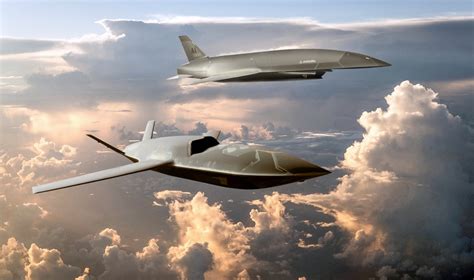
The GHOST program builds directly on work previously showcased under the Gambit drone family and the stealth-oriented MQ-Next concept. In 2022, General Atomics unveiled a vision combining Tesla-style electric innovation with RQ-170-inspired stealth, suggesting a future drone that marries whisper-quiet operations with combat-level lethality.
Engineering Disruption: Inside the Hybrid-Electric System
At the heart of GHOST lies a disruptive propulsion architecture: a hybrid powertrain anchored by a heavy-fuel engine driving ultra-efficient electric generators. These generators, in turn, power low-speed, low-pressure ducted fans, enabling silent cruising and energy conservation. This system is being developed independently from the MQ-1C Block 25’s new diesel engine and instead features a new 8-cylinder diesel platform tailored specifically for electric conversion.
GA-ASI President Dave Alexander has emphasized the criticality of mastering the balance between installed weight, fan thrust, and efficiency. His vision — a drone that can operate from a 3,000-foot rough runway, loiter for 60 hours, and deliver real-time ISR in environments such as the South China Sea — is now inching closer to reality.
MQ-Next, Gambit 4, and GHOST: A Converging Evolution
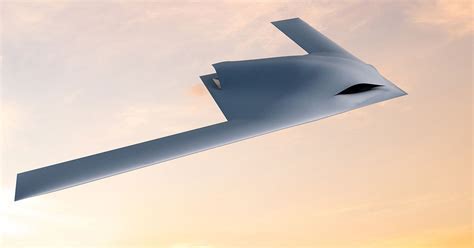
Though GHOST is a new designation, it draws clear lineage from MQ-Next and Gambit 4, which represent the modular, stealth-enabled direction General Atomics has pursued for years. Both designs feature a flying wing configuration, optimal for radar evasion, and are engineered for long-endurance ISR roles. They are intended to replace the Reaper in high-threat theaters where China’s anti-access/area-denial (A2/AD) systems make traditional drones obsolete.
Gambit 4, in particular, has been a focal point of hybrid-electric development. Its modular chassis allows flexible adaptation across mission types, while the propulsion design showcases a direct preview of what GHOST may become — not merely a drone, but a reconnaissance ecosystem with strike capability.
Quiet Skies: Tactical Advantages of Hybrid-Electric ISR Platforms
The utility of a stealthy, long-endurance, hybrid-electric drone extends far beyond theoretical advantages. In modern warfare, particularly in electromagnetic-denied or GPS-contested environments, having an aircraft that can stay aloft for days and remain virtually undetectable is a decisive force multiplier.
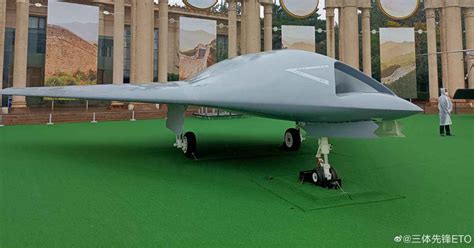
The GHOST’s low infrared signature, combined with electrical propulsion’s quiet profile, makes it ideal for operating in heavily monitored conflict zones such as the Taiwan Strait or over disputed islands in the South China Sea. Missions may range from tracking adversarial fleet movements to pinpointing radar installations or missile deployments — and, when necessary, prosecuting high-value targets without delay.
Strike-Ready: Beyond Surveillance
While ISR is central to the GHOST drone’s mission set, the AFRL contract explicitly notes strike capability. This marks a notable difference from earlier surveillance-only models. In effect, GHOST will be able to identify, track, and eliminate threats autonomously or in concert with other assets like manned fighter jets or space-based sensors.
This aligns directly with the USAF’s Collaborative Combat Aircraft (CCA) framework, under which General Atomics is also producing the YFQ-42A, a jet-powered autonomous platform. It’s likely that GHOST, while not as fast, will serve as the persistent eye and knife in the sky — spotting, tagging, and engaging priority targets in denied zones.
Quiet Competition: DARPA and the XRQ-73
GHOST isn’t the only game in town. DARPA and Northrop Grumman’s Scaled Composites are deep into development of the XRQ-73, a quiet hybrid-electric drone under the Series Hybrid Electric Propulsion AiRcraft Demonstration (SHEPARD) program. This design, itself evolved from the XRQ-72A created for the Great Horned Owl initiative, shares GHOST’s emphasis on stealth and long endurance.
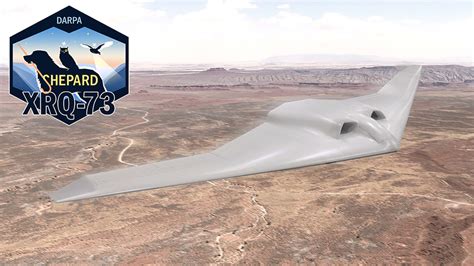
AFRL’s involvement in both efforts underscores a larger military pivot toward low observable, energy-efficient surveillance and strike systems. These projects echo a deep lineage of classified black aircraft programs dating back to the Cold War, many of which have only come to light in recent years.
Strategic Urgency and Tactical Relevance
The timing of GHOST’s emergence is no coincidence. Recent drone losses to Houthi forces in Yemen, using relatively unsophisticated anti-air tools, have highlighted the vulnerability of existing drone fleets in asymmetric warfare. The USAF cannot afford to field systems that fold in contested airspace — especially as great power competition with China intensifies.
GHOST represents a solution engineered with the Agile Combat Employment (ACE) doctrine in mind: distributed, survivable, and rapidly deployable across forward operating locations. In war, platforms that can operate from austere airstrips and deliver persistent ISR or strikes without resupply are invaluable.
What Comes Next?
With the GHOST contract now underway, General Atomics has until August 2028 to deliver on this ambitious vision. The specifics remain tightly held, and AFRL is notably silent on operationalization plans. Yet, if past development cycles and current prototype hints are any indication, GHOST may soon emerge as the flagship drone of America’s next-gen unmanned strategy.
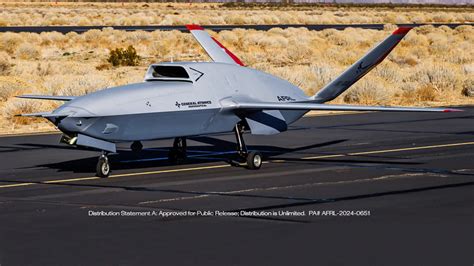
Whether as a lone operator or part of a larger CCA swarm, GHOST is poised to become a game-changing force. Its hybrid-electric propulsion isn’t just a tech flourish — it is a calculated response to the evolving contours of modern warfare, where persistence, stealth, and versatility define air dominance.
As adversaries field ever-more sophisticated integrated air defense systems (IADS) and expand electronic warfare capabilities, the U.S. Air Force is investing in tools that can fly longer, strike deeper, and hide better — and GHOST, with its quiet fans and long wings, is at the tip of that strategic spear.