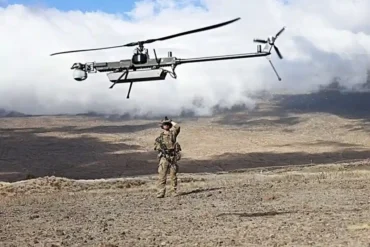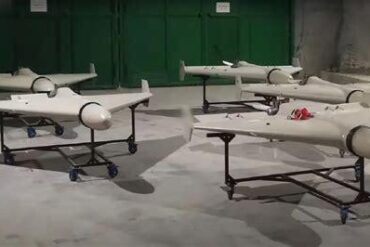
Russia’s drone strategy in Ukraine is entering a new phase shaped less by expensive military hardware and more by improvised engineering, commercial electronics, and mass production. Instead of treating attack drones as disposable weapons, Russian forces are increasingly converting low-cost strike platforms into reusable reconnaissance systems capable of feeding real-time intelligence back to operators miles away from the front.
The clearest example is the Molniya-2R, a modified version of the Molniya attack drone originally designed as a cheap loitering munition. Built from lightweight materials including plywood and simplified airframes, the drone was initially intended to carry explosive payloads against armored vehicles and entrenched positions. Engineers have now removed those warheads and replaced them with advanced surveillance equipment, extending flight endurance while dramatically improving battlefield awareness.
This transformation reflects a wider trend in the Ukraine war where affordability and adaptability often matter more than sophisticated legacy systems. A drone assembled from commercially available components can be produced faster, deployed in greater numbers, and upgraded continuously without the procurement delays associated with traditional defense programs.
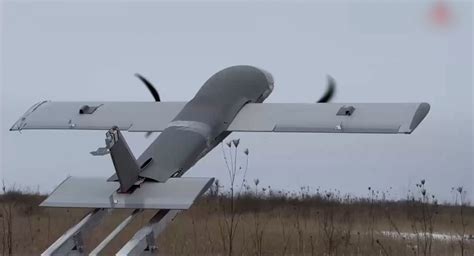
Molniya-2R Uses Raspberry Pi and Windows Mini PCs
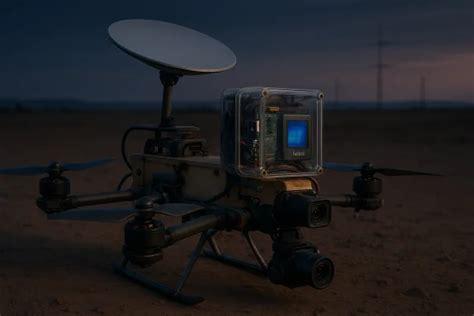
According to data published by the OE Data Integration Network, the Molniya-2R now carries surprisingly advanced onboard computing hardware. Russian developers reportedly integrated a Chinese-made Mini PC F8 running Windows 11 alongside a Raspberry Pi 5 single-board computer. The combination gives the drone expanded processing power for navigation, video transmission, and camera stabilization while maintaining low manufacturing costs.
The most striking modification is the replacement of the explosive payload with a stabilized optical surveillance system. A three-axis stabilized camera with 10x optical zoom allows operators to observe Ukrainian positions from safer stand-off distances while maintaining clearer imagery during flight maneuvers. That capability turns what was once a one-way attack drone into a reusable reconnaissance asset capable of guiding artillery or identifying troop movement.
Starlink satellite internet terminals are reportedly also being incorporated into the communication chain, enabling high-bandwidth video transmission from contested areas where conventional radio links are vulnerable to disruption. The use of consumer-grade technology demonstrates how modern drone warfare increasingly depends on accessible electronics rather than purely military-grade systems.
Cheap Drones Are Reshaping the War in Ukraine
The rapid evolution of drones on both sides has fundamentally altered combat operations throughout the conflict. Ukraine has deployed increasingly creative interception systems, including the Sting air-to-air drone interceptor that reportedly destroyed Russian drones using airborne missiles. Such defenses forced Russia to rethink how it conducts strikes, leading to larger drone swarms and more persistent reconnaissance operations.
Ukrainian officials say attacks against port infrastructure increased dramatically compared with 2025 levels, highlighting how drone saturation has become central to Russian strategy. Instead of relying solely on precision missiles, Russia can launch waves of inexpensive unmanned systems designed to overwhelm defenses and expose vulnerabilities.
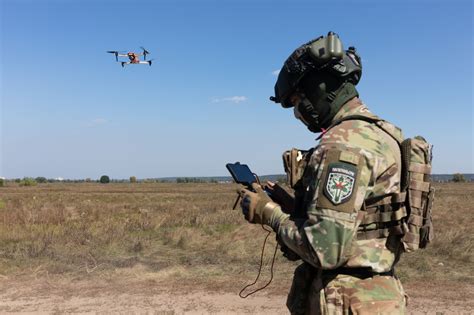
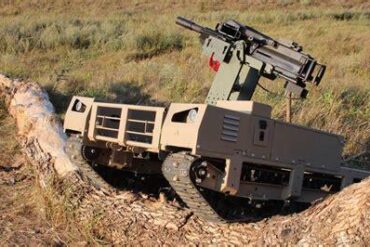
Ukraine has answered with innovation of its own. The country is expanding development of unmanned ground vehicles and implementing a battlefield incentive system that rewards confirmed drone strikes with points redeemable for additional equipment. Ukrainian defense officials claim the initiative contributed to hundreds of thousands of successful attacks against Russian targets during 2025.
Meanwhile, Russia continues experimenting with new counter-drone technology. One recently revealed system, the handheld Yolka interceptor launcher, fires small drones from a pistol-like device intended to destroy enemy UAVs at short range. Although many details remain undisclosed, the concept illustrates how rapidly drone warfare is evolving into a constant cycle of adaptation.
The Molniya-2R ultimately symbolizes the defining reality of the conflict: modern wars are increasingly shaped by cheap electronics, improvised engineering, and the ability to modify civilian technology faster than opponents can counter it.