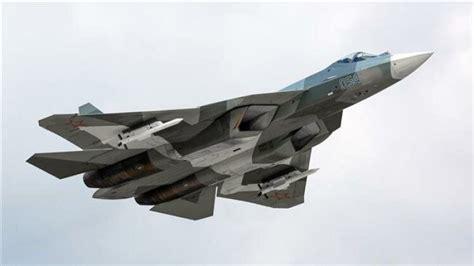
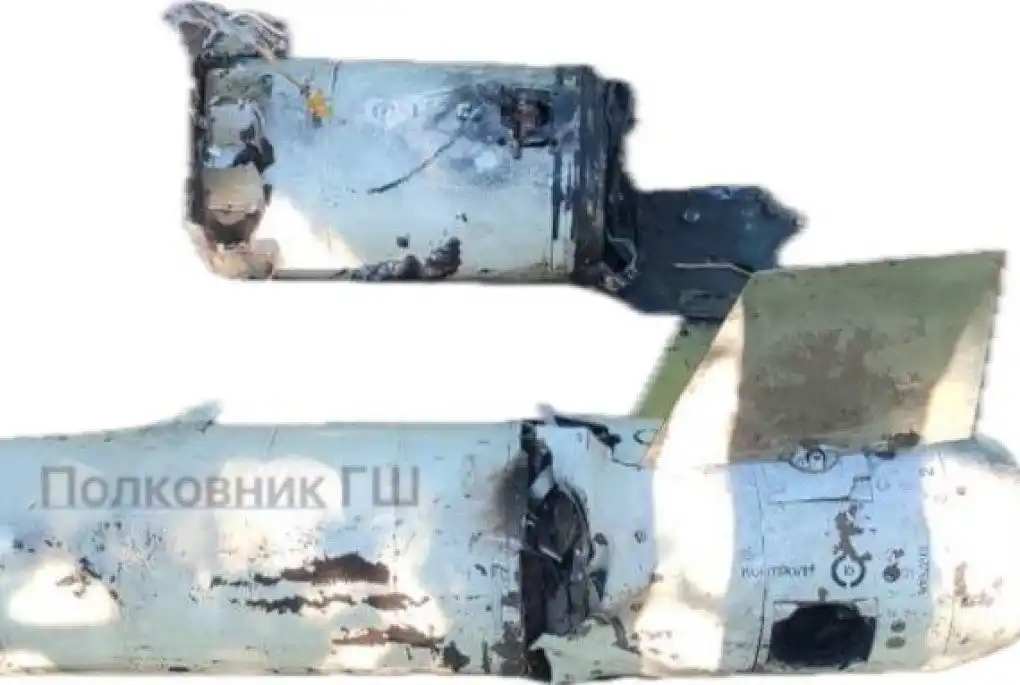
Russia has unleashed the K-77M long-range air-to-air missile, also known as Izdelie 180 or the R-77M, in active combat over Ukraine, marking the first verified operational use of this advanced weapon system. Ukrainian defense-linked sources confirmed the deployment, with imagery of missile debris allegedly recovered from within Ukrainian territory, underscoring its arrival on the battlefield. This development represents a significant shift in aerial warfare over Ukraine, especially as Russia integrates its most sophisticated armaments into real-world operations.
The Evolution of Russia’s Advanced Air-to-Air Arsenal
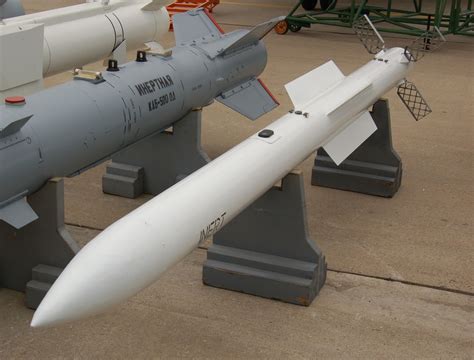
The K-77M traces its lineage back to the Soviet-era R-77, a missile developed in the 1980s to rival the American AIM-120 AMRAAM. The original R-77 introduced an active radar seeker, a technological leap for the Soviet arsenal. However, it came with significant drawbacks: its bulky lattice fins increased drag and reduced reliability, and its overall design failed to keep pace with Western missile developments. The subsequent R-77-1, introduced in the early 2010s, provided improvements in radar guidance and aerodynamics but still fell short of redefining Russia’s air dominance.
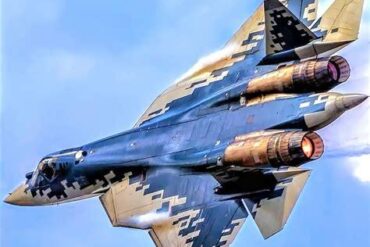
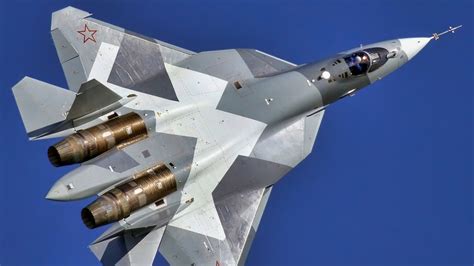
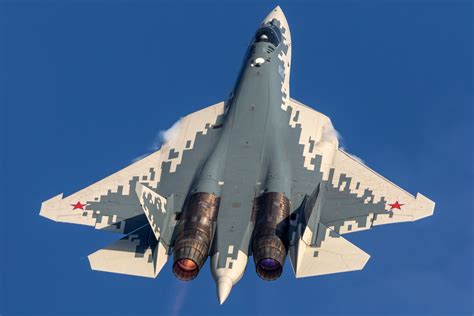
The K-77M—developed in the mid-2010s—represents a comprehensive redesign aimed at integrating seamlessly with Russia’s fifth-generation Su-57 stealth fighter and advanced Su-35 jets. By replacing the R-77’s lattice fins with fixed aerodynamic surfaces, equipping it with a dual-mode solid-fuel engine, and extending its range to an estimated 190 kilometers (118 miles), the K-77M achieves a striking balance between range, speed, and maneuverability. This transformation has elevated the missile from a legacy system to a cutting-edge long-range air dominance weapon.
Key Features of the K-77M: A Lethal Combination of Range and Precision
The K-77M’s formidable capabilities stem from its dual-mode propulsion system, which ensures both rapid acceleration and sustained thrust at high altitudes. Its 9B-1103M-200PA multi-mode seeker integrates active, passive, and semi-active radar tracking, making it far more resistant to electronic countermeasures (ECM) than previous Russian missiles. This technological leap addresses a critical limitation faced by older long-range missiles—the ability to maintain maneuverability even at subsonic speeds.
These upgrades position the K-77M not only as a counter to modern Western aircraft but also as a serious threat to Ukrainian fighter jets that rely on medium-range engagements. Its longer reach enables Russian pilots to engage from safer standoff distances, complicating Ukraine’s already challenging air defense efforts.
Operational Deployment: Su-57 and Su-35 Integration
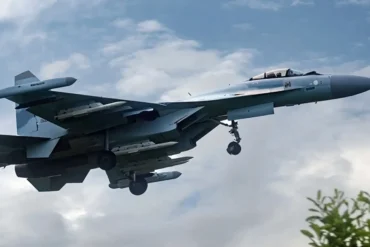
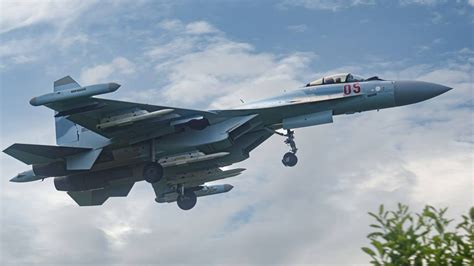
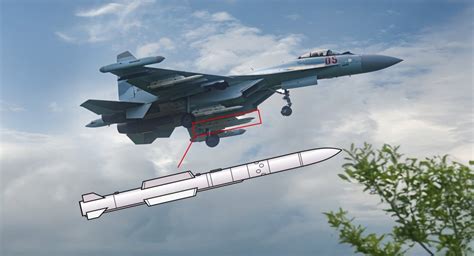
While Russian sources claim the K-77M can be carried inside the Su-57’s internal weapons bay, crucial for preserving stealth, the only publicly available images show the missile mounted externally under the wings. This suggests that either the internal carriage is still undergoing tests or that Russia prioritizes rapid deployment over low observability in current operations. Regardless, its compatibility with both Su-57 and Su-35 fighters ensures a versatile deployment strategy, with Russia leveraging its mixed fleet for diverse mission profiles.
The Su-57, as Russia’s premier fifth-generation stealth fighter, benefits immensely from pairing with the K-77M. This missile expands its kill envelope, making the jet an even more formidable adversary in beyond-visual-range (BVR) engagements. For the Su-35, already renowned for its powerful radar and agility, the K-77M brings a qualitative edge against Ukrainian fighters operating at extended distances.
Implications for Ukraine’s Air Defense and Electronic Warfare
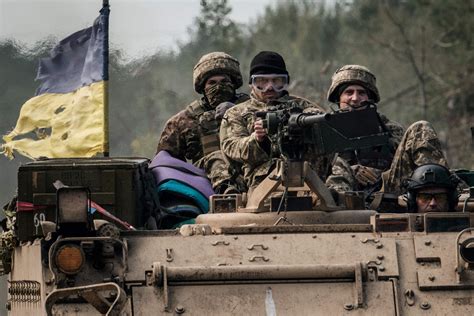
Ukraine faces a new layer of complexity with the K-77M’s arrival. Ukrainian pilots, who have learned to adapt to the threat of long-range R-37 missiles, now confront a more agile, precise, and ECM-resistant adversary. This necessitates urgent enhancements to electronic warfare (EW) systems and updated tactical doctrines to survive in a sky increasingly dominated by advanced Russian standoff weapons.
Moreover, the K-77M could force Ukraine’s air force to rethink its operational envelope, potentially restricting flight paths and engagement strategies near the front lines. The missile’s ability to engage high-altitude targets at extreme distances disrupts Ukraine’s previous reliance on agile low-to-medium altitude maneuvers for survivability.
A Strategic Message Beyond Ukraine
The K-77M’s deployment is not only about the battlefield in Ukraine—it serves as a signal to NATO and Western powers. By fielding a missile that rivals or potentially exceeds the capabilities of the AIM-120 AMRAAM, Russia projects confidence in its ability to challenge Western air superiority. This could reshape future aerial combat doctrines, particularly in regions where NATO aircraft might face direct confrontation with advanced Russian systems.
The appearance of this missile also aligns with broader revelations from the U.S. Defense Intelligence Agency’s 2025 Worldwide Threat Assessment, which noted Russia’s pursuit of nuclear-capable air-to-air missiles. While there is no confirmation that the K-77M carries such a capability, its integration into the arsenal reflects a return to Cold War-era concepts, where Russian air power was designed to deny adversaries airspace at any cost.
What’s Next for the Aerial War Over Ukraine?
The K-77M’s combat debut raises several pressing questions. How many of these missiles can Russia produce and deploy given its sanctions-strained defense industry? Will Ukraine and its Western allies develop countermeasures fast enough to neutralize the missile’s threat? And most critically, does this deployment mark the beginning of broader operational use of Russia’s fifth-generation platforms in direct conflict zones?
As the war drags on, the K-77M could become a decisive factor in determining who controls the skies over Ukraine. Its range, precision, and electronic resilience grant Russia a new tool for aerial dominance—one that Ukraine will need to counter through advanced EW systems, intelligence sharing, and possibly accelerated delivery of Western air-to-air missile technologies.
The K-77M is more than just a missile; it is a strategic weapon, a psychological signal, and a technological milestone. Its appearance in Ukraine underscores the escalating sophistication of modern air warfare—and the increasingly blurred line between testing advanced systems and deploying them in active combat.