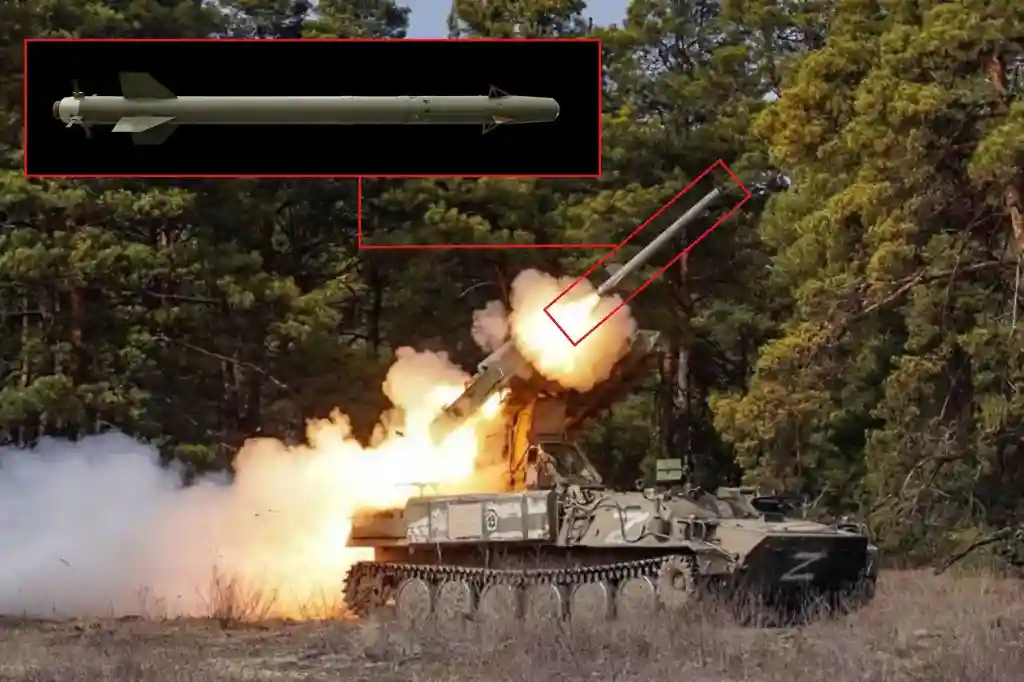
Russia has reinforced its short-range battlefield air defense network with the delivery of a new batch of 9M333 surface-to-air missiles, a weapon specifically designed to enhance the effectiveness of the Strela-10 mobile air defense system against modern aerial threats. The shipment, announced on March 10, 2026, by Kalashnikov Concern, signals continued investment in Russia’s tactical air defense layer as combat environments increasingly feature drones, low-flying cruise missiles, and attack helicopters operating close to the ground.
The delivery represents more than routine logistics. In modern warfare, low-altitude air defense has become one of the most contested and essential layers of battlefield protection, particularly as small unmanned systems and precision-guided munitions proliferate. Russia’s decision to maintain and replenish stocks of the 9M333 missile indicates that the Strela-10 platform remains a relevant component of its mobile air defense architecture, especially for defending maneuver units and forward operating areas.
Kalashnikov’s announcement emphasized that the missiles were shipped to a government customer as part of ongoing contracts for 2026, highlighting the sustained demand for this weapon system. The company directly linked the requirement for the missile to operational conditions in active combat zones, where low-altitude aerial threats have become a constant tactical challenge.
Russia’s Strela-10 System Remains a Key Tactical Air Defense Asset
The Strela-10 (NATO designation: SA-13 Gopher) is a mobile short-range air defense system designed to accompany armored formations and mechanized units on the battlefield. Mounted on a tracked chassis derived from the MT-LB armored vehicle, the system provides frontline forces with the ability to quickly detect and engage hostile aircraft flying at low altitudes.
Unlike long-range systems such as the S-300 or S-400, which defend large strategic areas, the Strela-10 operates at the tactical edge of the battlefield. Its primary role is to intercept threats that penetrate deeper air defense layers, particularly helicopters, ground-attack aircraft, and increasingly unmanned aerial vehicles (UAVs).
The continued supply of 9M333 missiles ensures that the Strela-10 remains operationally viable despite the system’s origins in the late Cold War period. Through incremental upgrades and improved missile technology, the platform has adapted to a security environment where small, low-flying targets present some of the most difficult air defense challenges.
The 9M333 Missile: A Modern Upgrade for an Established Platform
At the center of the latest delivery is the 9M333 surface-to-air guided missile, an advanced munition designed to significantly enhance the performance of the Strela-10 system. Although the launcher platform has remained largely unchanged, the missile introduces improved targeting capability and resilience against countermeasures.
The 9M333 is described by Kalashnikov as a high-precision air defense missile, capable of engaging multiple categories of aerial threats while maintaining reliable performance in complex combat environments. One of the missile’s most notable attributes is its multispectral passive seeker, which enables it to track targets using several detection methods simultaneously.
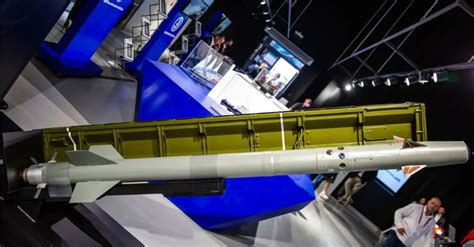
This seeker operates in three distinct modes:
- Photo-contrast guidance, enabling the missile to identify targets based on their visual contrast against the background.
- Infrared tracking, which detects the heat signatures produced by engines or other onboard systems.
- Countermeasure-resistant mode, designed to maintain tracking even when a target deploys decoys or optical interference devices.
This tri-mode guidance capability dramatically improves the missile’s ability to distinguish real targets from flares, decoys, and other countermeasures. In a battlefield environment where aircraft and drones often rely on deception to evade interception, such flexibility significantly increases the probability of a successful engagement.
Designed to Counter the Rise of Low-Altitude Threats
The design parameters of the 9M333 reflect the changing nature of modern aerial warfare. Today’s threats increasingly exploit low-altitude flight paths, terrain masking, and reduced signatures to avoid detection by larger air defense systems. As a result, short-range weapons must be capable of reacting quickly and accurately against targets appearing with minimal warning.
The missile is capable of intercepting targets at ranges of up to approximately 5 kilometers, while engaging aerial objects flying between 10 meters and 3,500 meters in altitude. These performance characteristics place the weapon squarely within the mission profile of tactical air defense, where threats often appear suddenly at low elevation and close distance.
With an average flight speed of around 550 meters per second, the missile can close the distance to its target rapidly, reducing the time available for evasion or countermeasure deployment. Its 2.6-kilogram high-explosive warhead is designed to destroy or critically damage light aerial targets, including drones and helicopters that may operate close to ground forces.
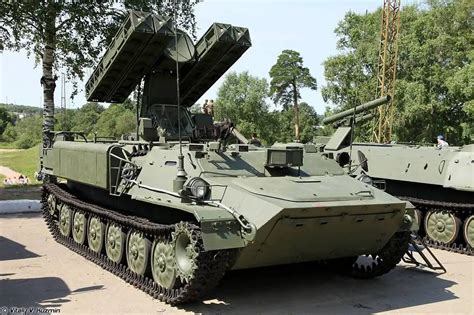
These characteristics make the 9M333 particularly effective against:
- Unmanned aerial vehicles
- Attack helicopters
- Low-flying tactical aircraft
- Cruise missiles flying at terrain-hugging altitudes
As these types of threats become increasingly common in modern conflicts, maintaining a dense network of short-range defenses becomes essential for protecting frontline units.
Combat Experience and Growing Production
Kalashnikov has stated that mass production of the 9M333 began in 2020, marking the start of a new generation of missiles for the Strela-10 system. Since then, the weapon has reportedly been used in real combat environments, where operational experience has helped validate its performance under battlefield conditions.
According to the company, the missile’s effectiveness has contributed to increased government procurement orders for 2026, indicating that Russian defense planners view the weapon as an important component of their tactical air defense strategy. Continued deliveries also suggest that the Russian military intends to maintain a steady supply of replacement missiles to sustain operational readiness.
The emphasis on missile production reflects a broader military reality. Even highly capable air defense platforms depend heavily on munition availability, especially in prolonged conflicts where frequent interceptions rapidly deplete inventories. By expanding production and ensuring regular deliveries, Russia can maintain the operational effectiveness of its existing Strela-10 fleet without the need for entirely new launcher systems.
Integrating the 9M333 Into Russia’s Layered Air Defense Network
Russia operates one of the world’s most extensive layered air defense architectures, a structure designed to engage hostile aircraft and missiles at multiple distances and altitudes. Within this framework, long-range systems such as the S-400 and S-300 provide strategic coverage, while medium-range platforms like the Buk and Tor systems defend operational zones.
Short-range systems such as the Strela-10 occupy the lowest tier of this defensive network, protecting troops, vehicles, and tactical infrastructure from threats that slip through higher-altitude defenses. This layered approach allows Russian forces to create overlapping engagement zones, reducing the likelihood that an enemy aircraft or drone can penetrate the defensive shield.
The addition of modern missiles like the 9M333 helps ensure that even legacy systems remain capable of confronting contemporary threats. By improving seeker technology and resistance to countermeasures, the missile extends the operational life of the Strela-10 platform while strengthening the overall density of the air defense network.
Strategic Significance of the 2026 Missile Delivery
The first shipment of 9M333 missiles in 2026 carries significance that extends beyond a simple equipment update. It reflects a strategic recognition that low-altitude air threats have become a central feature of modern warfare, particularly with the widespread use of drones and precision-guided weapons.
By sustaining production and delivery of the 9M333, Russia ensures that its frontline units retain access to rapid-reaction air defense systems capable of engaging threats at close range. In conflicts where drones and cruise missiles increasingly target logistics hubs, armored columns, and command posts, maintaining such capabilities can significantly influence battlefield survivability.
Ultimately, the continued deployment of the 9M333 missile demonstrates that incremental technological improvements can keep established air defense platforms operationally relevant. As long as low-flying threats remain prevalent, the combination of the Strela-10 launcher and its upgraded missile will continue to serve as a crucial element of Russia’s tactical air defense strategy.