Switzerland is reassessing its long-term missile defense strategy as delays in the delivery of U.S.-built Patriot air defense batteries threaten to slow the modernization of the country’s national protection network. Faced with an increasingly complex aerial threat environment across Europe and growing global demand for advanced missile defense systems, Swiss authorities are now exploring the acquisition of a second long-range ground-based air defense system to ensure continuous coverage against ballistic missiles, cruise missiles, drones, and hostile aircraft.
The decision reflects broader changes in European security planning following the war in Ukraine, which has transformed the role of missile defense in protecting national infrastructure and population centers. As long-range precision strike weapons and drone swarms become common elements of modern warfare, even neutral countries like Switzerland are being compelled to accelerate investments in layered air defense networks capable of countering a wide spectrum of airborne threats.
The Swiss Federal Council confirmed in early March 2026 that it has directed the Federal Department of Defence, Civil Protection and Sport to conduct an evaluation of additional missile defense options. The review aims to ensure that Switzerland’s national air defense architecture remains resilient despite delays in the delivery schedule of its planned Patriot batteries.
Patriot Delivery Delays Trigger Strategic Reassessment
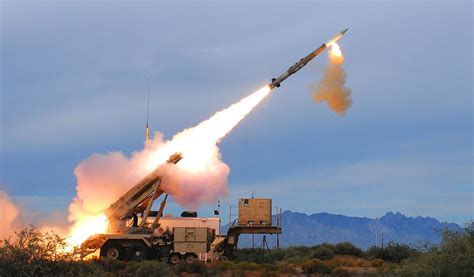
Switzerland’s reassessment was triggered by delays linked to the global surge in demand for Patriot missile defense systems. The United States, which manufactures the Patriot system through Raytheon with interceptor missiles produced by Lockheed Martin, reprioritized production schedules in July 2025 to accelerate deliveries to Ukraine amid continued missile attacks on its infrastructure.
That shift in production capacity has had ripple effects across the global defense supply chain. Swiss officials were informed during defense consultations in early 2026 that the five Patriot fire units ordered by Switzerland could arrive four to five years later than originally planned.
For Switzerland, the timeline shift presents a strategic challenge. The Patriot system forms the backbone of the country’s future long-range missile defense capability under the Air2030 modernization program. Without timely delivery, Switzerland risks a prolonged period without a modern ground-based air defense system capable of intercepting advanced aerial threats.
The situation illustrates the strain currently placed on missile defense manufacturing capacity worldwide. As NATO members and partner nations rush to strengthen their defensive shields against long-range weapons, production lines for interceptors, launchers, and radar systems are operating under unprecedented pressure.
Air2030: Switzerland’s Comprehensive Air Defense Modernization
The Air2030 program represents one of the most ambitious military modernization efforts undertaken by Switzerland in decades. Designed to replace aging defense systems and ensure the protection of Swiss airspace well into the mid-21st century, the program combines advanced fighter aircraft with modern ground-based missile defense.
Under Air2030, Switzerland selected the F-35A Lightning II fighter aircraft to replace its aging fleet of F/A-18 Hornets and F-5 Tiger jets. The stealth fighter will serve as the airborne component of the country’s air defense network, providing air superiority and advanced surveillance capabilities.
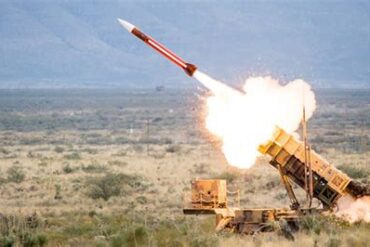
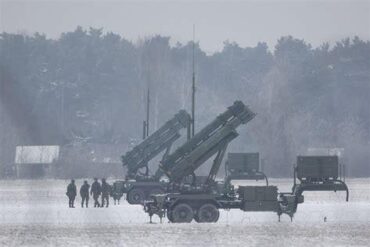
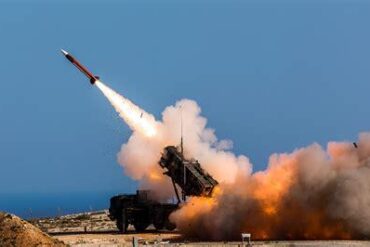
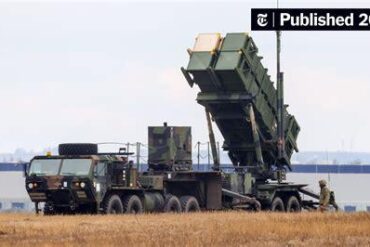
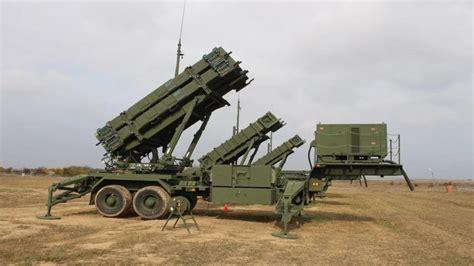
Complementing the fighter fleet is the Patriot surface-to-air missile system, which provides long-range interception capability against high-speed aerial threats including tactical ballistic missiles and cruise missiles.
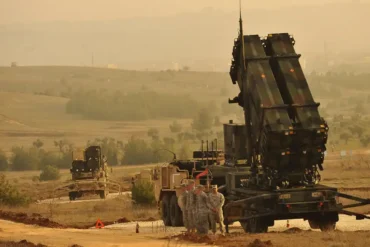
Each Patriot battery typically includes several key components:
- AN/MPQ-65 multifunction radar for detection and tracking
- Engagement control station for fire coordination
- Launchers equipped with PAC-3 MSE interceptor missiles
- Power and communications units
Together, these elements enable the system to detect, track, and intercept hostile targets at significant distances while coordinating with aircraft and other sensors to form a layered air defense network.
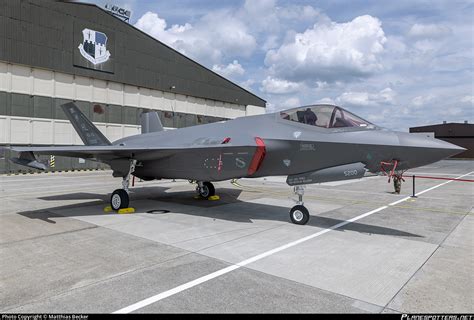
For Switzerland, integrating Patriot with the F-35A represents a major leap in defensive capability, allowing the country to detect and neutralize threats ranging from high-altitude ballistic missiles to low-flying cruise missiles navigating through mountainous terrain.
A Capability Gap After Rapier Retirement
The urgency behind Switzerland’s current evaluation is partly rooted in the retirement of its previous air defense system.
For decades, Switzerland relied on the Rapier short-range air defense system, a British-designed missile platform introduced during the Cold War. Rapier batteries were tasked with defending key locations such as air bases and strategic infrastructure against hostile aircraft flying at low altitudes.
However, the system was never designed to address modern missile threats. It lacked the capability to intercept ballistic missiles and had limited effectiveness against high-speed cruise missiles or advanced drones.
Switzerland retired the Rapier system in 2022, leaving the country temporarily without a modern ground-based air defense capability until Patriot units arrive. The Air2030 program was intended to fill that gap by introducing a sophisticated long-range missile defense architecture capable of countering the evolving threat landscape.
Delays to Patriot deliveries therefore risk extending this vulnerability window, prompting Swiss authorities to search for alternative or complementary systems.
European Missile Defense Options Under Consideration
While Swiss officials have not publicly named specific candidates for the additional system, several advanced European missile defense platforms stand out as realistic options.
A key requirement in the evaluation process is the possibility of sourcing a system produced or manufactured in Europe. This approach would reduce dependence on a single foreign supplier and potentially provide greater supply chain stability during crisis situations.
One of the most prominent candidates is the SAMP/T NG (New Generation) long-range air defense system developed by the Franco-Italian Eurosam consortium, which includes MBDA and Thales.
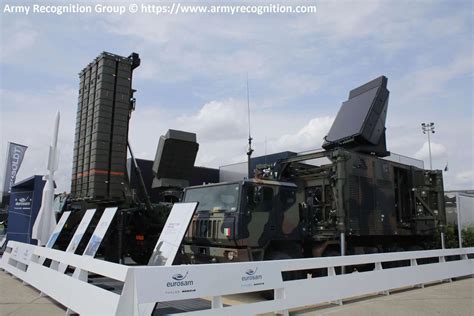
The SAMP/T NG uses the Aster 30 Block 1NT interceptor missile, designed specifically to counter advanced aerial threats such as:
- Tactical ballistic missiles
- Cruise missiles
- Fighter aircraft
- Unmanned aerial vehicles
The system integrates the Thales Ground Fire 300 radar, capable of tracking hundreds of targets simultaneously and guiding interceptors toward high-speed threats.
Operationally, SAMP/T NG offers engagement ranges exceeding 120 kilometers, making it comparable to Patriot in many long-range defense roles.
Its ability to intercept ballistic missile threats while defending large areas against aircraft and cruise missiles makes it a strong candidate for integration into Switzerland’s future defense architecture.
IRIS-T SLM and the Role of Medium-Range Defense
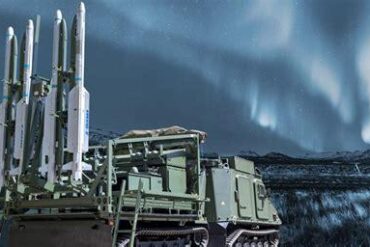
Another European system that could contribute to Switzerland’s layered defense structure is the IRIS-T SLM air defense system, developed by Germany’s Diehl Defence.
Although IRIS-T SLM is categorized as a medium-range air defense system, it has gained significant attention following its operational deployment in Ukraine. Ukrainian forces have used the system successfully to intercept waves of Russian cruise missiles and drone attacks targeting energy infrastructure.
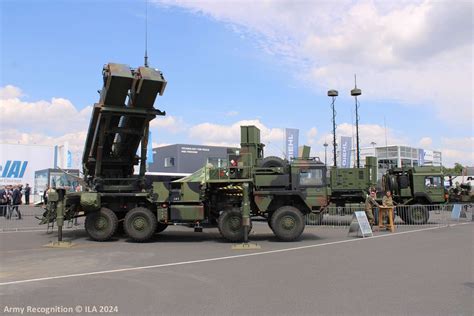
With an engagement range of roughly 40 kilometers, IRIS-T SLM provides highly accurate interception against drones, helicopters, and cruise missiles. However, it does not offer the same ballistic missile defense capability as Patriot or SAMP/T.
Future extended-range variants currently under development could expand the system’s interception envelope, potentially making it a more attractive option for countries seeking flexible missile defense architectures.
For Switzerland, IRIS-T SLM might serve as a complementary system, providing strong protection against lower-altitude threats while Patriot or another long-range platform handles high-altitude missile interceptions.
The Strategic Importance of Layered Air Defense
Modern air defense increasingly relies on layered architectures in which multiple systems operate together, each covering different ranges, altitudes, and threat types.
A layered defense network typically includes:
- Long-range systems capable of intercepting ballistic missiles and high-altitude aircraft
- Medium-range systems designed to counter cruise missiles and drones
- Short-range defenses protecting critical infrastructure and military installations
By combining multiple systems, countries can significantly increase the probability of intercepting hostile threats while reducing reliance on a single defensive layer.
Switzerland’s geography adds another layer of complexity. The country’s mountainous terrain can create radar shadows and natural corridors that low-flying cruise missiles or drones might exploit. A distributed missile defense architecture with sensors and launchers positioned across multiple locations would improve detection and interception coverage across Alpine valleys and urban centers.
Industrial and Political Factors Shaping the Decision
Beyond operational considerations, Switzerland’s evaluation is also influenced by industrial and political factors.
Choosing a second missile defense system manufactured in Europe could provide several advantages. European production lines may offer greater availability of spare parts, interceptor missiles, and maintenance support during periods of geopolitical tension. It would also strengthen cooperation with European defense industries and reduce reliance on a single overseas supplier.
At the same time, Switzerland must ensure interoperability between any new system and the Patriot batteries that will eventually arrive. Integration with the F-35A fighter fleet and existing radar networks will also be essential to ensure seamless coordination across the national defense infrastructure.
Balancing these requirements will require careful technical evaluation and strategic planning.
Global Missile Defense Demand Reshaping Procurement Timelines
Switzerland’s situation reflects a broader trend affecting defense procurement worldwide. The war in Ukraine has dramatically increased demand for missile defense systems capable of intercepting cruise missiles, ballistic missiles, and large drone formations.
Countries across Europe, the Middle East, and Asia are seeking to strengthen their air defense networks, placing enormous pressure on manufacturers such as Raytheon, Lockheed Martin, MBDA, and Diehl Defence.
Missile interceptors, radars, and launch systems are complex technologies with long production cycles, meaning that sudden surges in demand can quickly create bottlenecks.
As a result, procurement timelines for several advanced air defense platforms have extended significantly, forcing governments to reconsider how quickly they can field new defensive capabilities.
Switzerland’s Evolving Security Posture
Although Switzerland has long maintained a policy of military neutrality, its defense strategy continues to evolve in response to the changing European security environment.
Modern conflicts increasingly rely on long-range strike weapons capable of reaching deep into national territory without traditional airspace incursions. Cruise missiles, ballistic missiles, and loitering munitions can target critical infrastructure such as power grids, command centers, and transportation hubs from hundreds of kilometers away.
The war in Ukraine has demonstrated how devastating such attacks can be when large numbers of missiles and drones are launched simultaneously.
For Switzerland, ensuring that its population centers, economic infrastructure, and military installations remain protected against these threats is becoming a central element of national defense planning.
Toward a More Resilient Swiss Air Defense Network
By exploring the acquisition of a second long-range missile defense system while awaiting Patriot deliveries, Switzerland is signaling a determination to avoid strategic vulnerability during a period of rapid military technological change.
A multi-layered missile defense architecture combining advanced interceptors, high-performance radars, and fifth-generation fighter aircraft could transform Switzerland’s defensive posture in the coming decade.
As Europe continues to confront a more volatile security environment, the ability to detect and defeat long-range missile and drone attacks will remain a defining feature of national defense strategies. Switzerland’s ongoing evaluation therefore represents not only a procurement decision but also a reflection of how even traditionally neutral states are adapting to the realities of modern missile warfare.