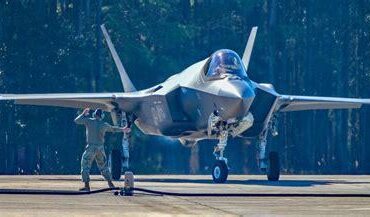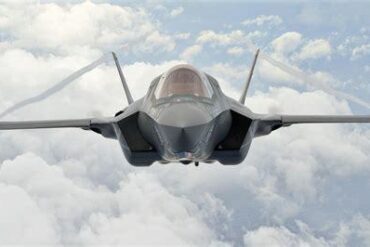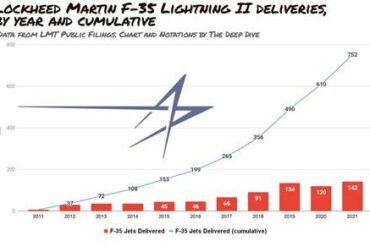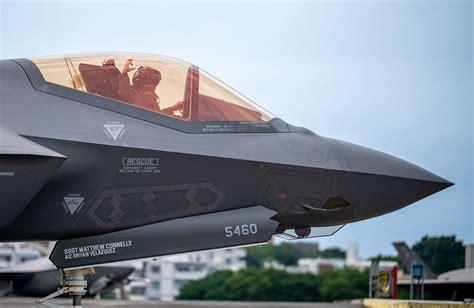
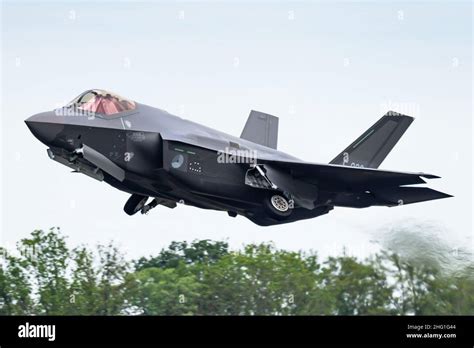
Lockheed Martin Aeronautics, the aerospace giant headquartered in Fort Worth, Texas, is gearing up for a milestone year in 2025, projecting delivery of up to 190 F-35 fighter jets. As the cornerstone of modern stealth aircraft technology, the F-35 Lightning II program is once again taking center stage in U.S. and allied defense strategies, despite broader fiscal uncertainties and programmatic challenges.
The F-35, developed under the Joint Strike Fighter program, is not only one of the most advanced fighter jets in the world but also among the most strategically vital. With 97 aircraft already delivered so far in 2025, Lockheed Martin appears well on pace to meet the upper bound of its production target.
Strong Forecasts Despite Budget Constraints
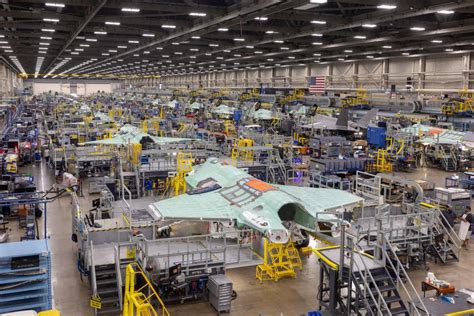
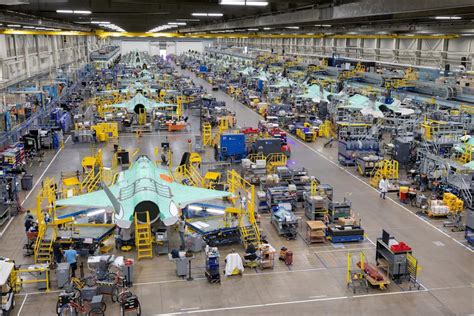
During Lockheed Martin’s Q2 earnings call held on July 22, CEO Jim Taiclet reaffirmed the company’s confidence in reaching delivery milestones. The aircraft are assembled at the Naval Air Station Joint Reserve Base Fort Worth, a hub that has become synonymous with U.S. aerospace innovation. Although the Department of Defense (DoD) trimmed its planned 2026 procurement to 47 aircraft, a significant dip from previous years, Congress may very well overrule this in the final defense budget.
- The House Appropriations Committee has proposed funding for 69 aircraft.
- The Senate Armed Services Committee has outlined a procurement plan for 57 units.
The eventual compromise between these numbers could significantly shape Lockheed Martin’s production calendar well into 2026 and beyond.
Contract Finalization and International Orders
Lockheed Martin CFO Evan Scott noted that negotiations with the DoD are actively underway to finalize new contracts, including one substantial agreement covering 150 jets, expected by Q3 2025. These negotiations are occurring amidst a broader recalibration of military procurement priorities in a post-pandemic economic environment.
But it’s not just the U.S. showing interest in Lockheed’s fifth-generation stealth jet. International orders are reinforcing the F-35’s position as a global defense mainstay:
- The United Kingdom has announced procurement of 12 additional F-35A jets.
- Belgium is planning to expand its fleet with 11 new aircraft.
- Denmark is signaling growing interest in acquiring more units.
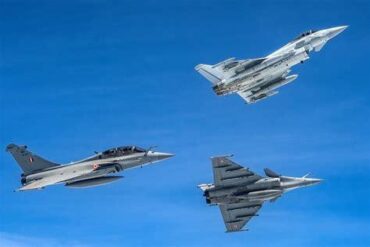
These purchases demonstrate the aircraft’s interoperability across NATO forces, its sustained strategic relevance, and Lockheed Martin’s increasing importance on the world defense stage.
Overcoming Past Setbacks: TR-3 and Software Advances
The past few years haven’t been without turbulence for the F-35 program. A significant hurdle emerged with the Technology Refresh 3 (TR-3) upgrade—an initiative aimed at boosting computing capacity and enabling integration of the future Block 4 capabilities. The upgrade had stalled deliveries for nearly 12 months, but 2025 has seen the program bounce back with remarkable momentum.
CEO Taiclet confirmed that 207 aircraft have been delivered since 2024, a clear sign that Lockheed Martin has overcome the earlier production bottlenecks. A new software release has also been rolled out, offering enhancements that improve the pilot interface, expand electronic warfare capabilities, and support a broader weapons arsenal.
This rapid evolution underlines the aircraft’s ability to adapt to modern threats and technological advances, ensuring that it remains battlefield-relevant through the 2030s and beyond.
Financial Pressures and Classified Projects
Despite the upbeat production forecast, Lockheed Martin is navigating significant financial headwinds. The company reported $1.8 billion in losses for Q2 2025. A considerable portion—$950 million—is tied to an undisclosed Skunk Works project, likely related to next-generation aircraft R&D. Skunk Works, Lockheed’s elite research arm, has its own facility in Fort Worth.
Another critical financial strain is a $4.6 billion income tax liability imposed by the IRS, stemming from an accounting method change. Lockheed is contesting the claim, but is concurrently accruing $100 million in interest, a considerable weight on operational cash flow.
Indeed, Q2 operating cash flow stood at only $150 million, weighed down not only by the IRS dispute but also delays in awarding F-35 Lots 18 and 19, and ongoing tariff impacts related to international supply chains.
The Bridge to the Future: NGAD and F-47
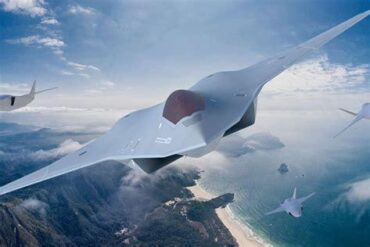
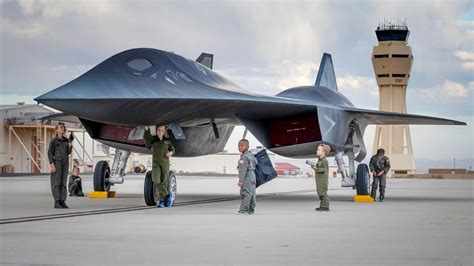
While the F-35 remains the centerpiece of today’s fighter fleet, it also plays a transitional role as the U.S. military looks to the future. Lockheed Martin’s aircraft is increasingly being viewed as the bridge to the Next Generation Air Dominance (NGAD) initiative—a program that aims to field sixth-generation air combat capabilities.
One of the program’s anticipated outcomes is the F-47, to be developed by Boeing, marking a rare yet significant shift in platform leadership. However, this transition will be gradual, with the F-35 likely remaining dominant in the skies until at least 2040.
Real-World Combat and Strategic Relevance
Lockheed’s flagship fighter has proven its worth in real-world scenarios. Recent U.S. military operations in the Middle East involved F-35 and F-22 Raptors leading bombing raids on Iranian nuclear targets. These missions underscore the F-35’s role in achieving air dominance and neutralizing enemy defense systems, effectively paving the way for deep-strike bombers.
The combat-proven nature of the aircraft significantly boosts its value proposition, not only for U.S. defense planners but also for allied governments evaluating their future air force compositions.
Economic Impact and Local Significance
Beyond military capabilities, the F-35 program has a significant economic footprint. The Fort Worth assembly plant is a major employer in the region and a critical node in the U.S. defense industrial base. Thousands of skilled jobs—from aerospace engineers to supply chain logisticians—are directly tied to F-35 production.
This local economic vitality further strengthens congressional support for the program, especially among representatives from Texas, Alabama, and other F-35 production states.
Looking Ahead to 2026 and Beyond
The outlook for 2026 hinges on several moving parts: final defense appropriations, contract signings, international procurement, and technological upgrades. If the House and Senate reconcile on a higher procurement number, Lockheed Martin could exceed 2025’s 190-unit target in the following year.
What remains clear is that the F-35 is far from obsolete. With continual upgrades, rising demand, and geopolitical instability driving defense spending, the jet is poised to remain a centerpiece of U.S. and allied air power for the foreseeable future.
In an increasingly uncertain world, the F-35 program offers a rare blend of strategic reliability, technological adaptability, and economic impact—attributes that few defense initiatives can match in scope or scale.
As nations continue to adapt their military doctrines and threat models, Lockheed Martin’s stealth fighter remains the tip of the spear, setting a global benchmark for 21st-century air dominance.