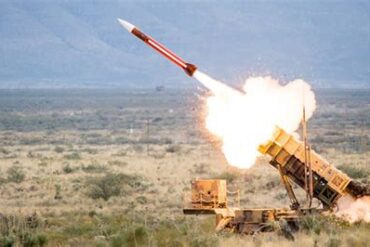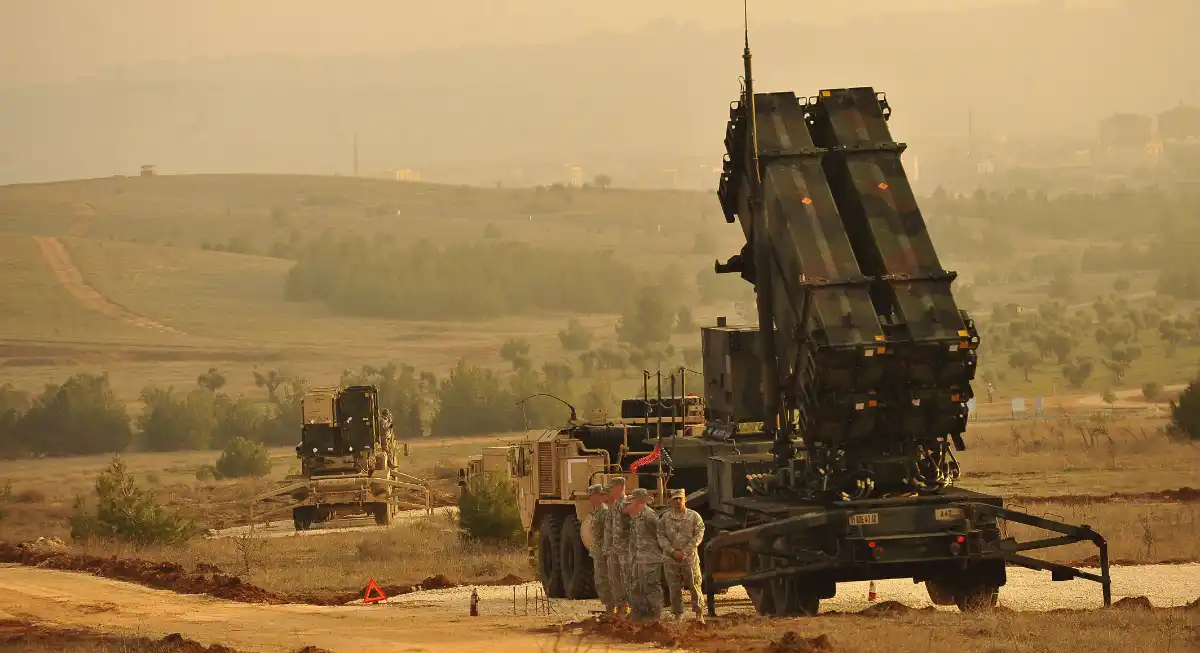
The MIM-104 Patriot Missile System stands as one of the most recognized and battle-tested missile defense platforms in the world. In an era marked by escalating missile threats from adversaries and volatile geopolitical flashpoints, the Patriot system has become a central pillar in the United States’ layered defense network. With its formidable track record and evolving technology, the Patriot continues to play an indispensable role in safeguarding American military assets and allied territories.
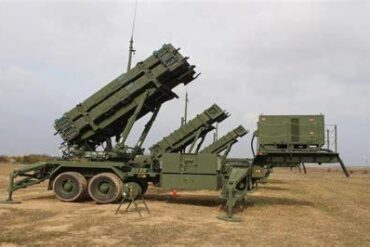
The Patriot Missile System, developed originally by Raytheon and later modernized with significant contributions from Lockheed Martin, is designed as a mobile, medium-range surface-to-air defense system. Its primary mission is to intercept and neutralize incoming threats, including tactical ballistic missiles, cruise missiles, and advanced aircraft.
The Size of the U.S. Army’s Patriot Arsenal
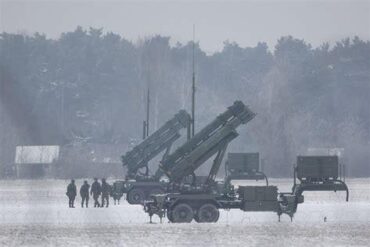
Since its initial deployment in 1981, approximately 1,100 Patriot missile launchers have been acquired by the United States Army. Out of this total, nearly 200 launchers have been exported to strategic partners and allied nations, including Israel, Japan, Germany, and over 16 other countries. This leaves the U.S. Army with a formidable arsenal of around 900 launchers actively maintained within its inventory.
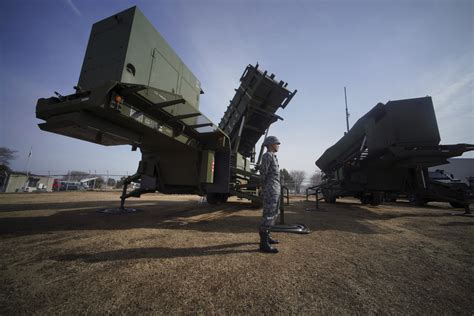
Beyond the launcher units themselves, production figures reveal the scale of the supporting infrastructure. Over 10,000 Patriot missiles have been manufactured to date, with ongoing production ensuring the system remains capable of responding to emerging threats. These include the latest PAC-3 Missile Segment Enhancement (MSE) interceptors, which represent the cutting-edge evolution of the system.
The PAC-3 MSE: Revolutionizing Patriot’s Capabilities
One of the most significant milestones in the Patriot’s history came with the introduction of the PAC-3 MSE, a result of extensive development efforts led by Lockheed Martin. Compared to earlier interceptors, the PAC-3 MSE offers extended range, greater accuracy, and vastly improved agility, enabling it to counter maneuverable threats with higher success rates.
Each PAC-3 missile canister holds four interceptors, dramatically enhancing the system’s overall firepower. A single Patriot launcher can thus carry between 12 to 16 PAC-3 MSE missiles, compared to previous generations that used larger, heavier missiles with a more limited payload capacity.
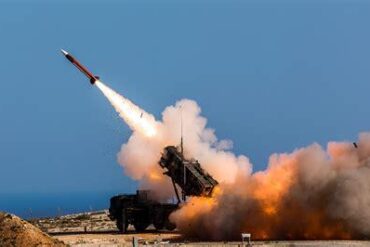
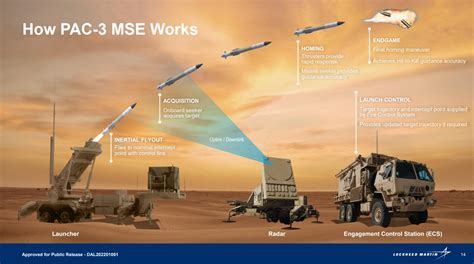
Crucially, the PAC-3 MSE employs hit-to-kill technology, a departure from older interceptors that relied on blast-fragmentation warheads. Instead of detonating near a target, the PAC-3 MSE physically collides with incoming threats, using kinetic energy to destroy them with surgical precision.
Weighing just 388 pounds, roughly one-third of the weight of legacy interceptors, the PAC-3 MSE dramatically improves mobility, deployment flexibility, and reloading efficiency. The missile system’s defensive coverage area has increased sevenfold compared to its PAC-2 predecessors, significantly enhancing its battlefield effectiveness.
The Architecture of a Patriot Missile Battery
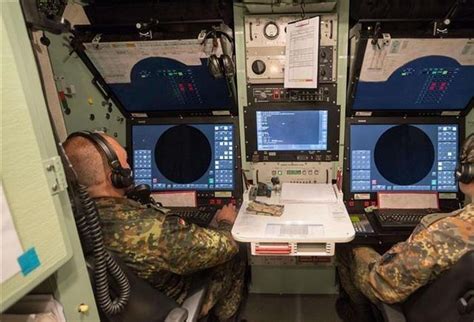
A complete Patriot missile battery is far more than just its interceptors and launch platforms. At its core lies an advanced suite of sensors and command systems that coordinate threat detection, targeting, and engagement decisions.
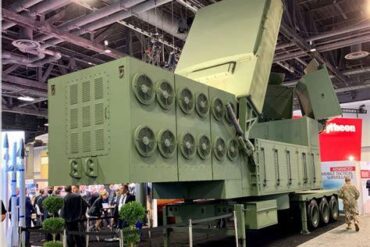
Central to this is the AN/MPQ-53, AN/MPQ-65, or the latest AN/MPQ-65A radar systems. These radar arrays provide 360-degree surveillance, tracking airborne threats with remarkable precision at ranges exceeding 100 kilometers.
Supporting the radar is the AN/MSQ-4 Engagement Control Station, mounted on a M927 military truck, which serves as the command hub for Patriot operations. Despite high levels of automation, a trained crew remains essential for launch authorization and system oversight.
Combat History and Performance Record
The combat performance of the Patriot system has been tested in numerous high-stakes environments. Its baptism by fire occurred during the 1991 Gulf War, where it provided critical defense against Iraqi Scud missiles targeting Kuwait, Saudi Arabia, and Israel. While initial results were mixed, with some warheads failing to function optimally, subsequent enhancements significantly improved the system’s reliability and precision.
Over the following decades, the Patriot system has been deployed in conflicts such as the Yemeni Civil War, the ongoing Russo-Ukrainian War, and in the defense of allied territories across the Middle East. Notably, Israel operated the Patriot system extensively until 2024, when it transitioned to its domestically-produced David’s Sling system for certain air defense roles.
The Patriot’s most recent and perhaps most defining engagement came in June 2025, amid heightened tensions with Iran. In response to an Iranian missile attack targeting the Al Udeid Air Base in Qatar, the Patriot system demonstrated its effectiveness under combat conditions. Despite facing a barrage of ballistic missiles, two Patriot batteries, operated by a contingent of just 44 soldiers, successfully intercepted seven missiles over the Persian Gulf, 11 missiles over Doha, and neutralized others threatening strategic assets.
Strategic Relevance and Future Prospects
With a combat intercept success rate of 95%, the Patriot missile system remains a linchpin in America’s defense strategy, particularly in protecting forward-deployed troops, military installations, and critical infrastructure.
U.S. defense analysts project that the Patriot system will remain operational until at least 2040, pending the development of faster, more maneuverable interceptors to address evolving hypersonic and ballistic threats. Continuous upgrades, such as radar improvements and software advancements, ensure the system adapts to the complexities of modern warfare.
The Patriot system also integrates seamlessly with broader defense networks, including THAAD (Terminal High Altitude Area Defense) platforms, reinforcing America’s multi-layered approach to missile defense.
Conclusion: A Vital Shield in a Changing World
As adversaries invest heavily in missile technology, from North Korea’s ICBM tests to Iran’s ballistic arsenals, the Patriot missile system provides the U.S. Army with an essential, combat-proven shield. With approximately 900 Patriot launchers, thousands of advanced interceptors, and a track record of real-world success, the system underscores America’s commitment to defending both its homeland and global interests.
The enduring relevance of the Patriot missile system lies not just in its hardware but in its adaptability—a testament to decades of engineering refinement and battlefield lessons. As the global security landscape grows increasingly unpredictable, the Patriot remains on the front line, ever ready to meet the challenges of tomorrow’s missile threats.