The United States Air Force (USAF) stands at a defining moment in its long history of strategic airpower dominance, entering a transformative phase that is reshaping the very architecture of its bomber fleet. As global tensions simmer and peer competitors modernize their arsenals, the USAF is simultaneously sustaining aging aircraft while preparing for the next generation of strategic strike capabilities. At the heart of this evolution lies a deliberate shift to a two-type bomber force, consolidating decades of airframe innovation into a future-ready and more agile posture.
The Current Fleet: A Snapshot of America’s Heavy-Hitters
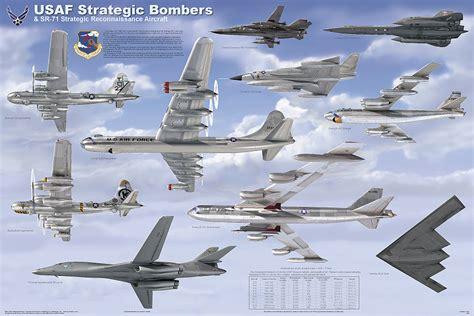
As of the end of 2024, the USAF operates a fleet of 142 bombers, comprising active-duty and reserve units. These aircraft include:
- B-1B Lancer: 46 active
- B-2A Spirit: 20 active
- B-52H Stratofortress: 58 active, 18 reserve
This structure reflects a total of 124 active and 18 reserve bombers, yielding an average fleet age of 42.98 years. The B-52, with an astonishing average age of 62.8 years, remains the oldest and most enduring strategic platform, proving its utility and adaptability even after more than six decades in service.
While China technically operates more bombers—approximately 200—these are primarily antiquated Soviet-derived models, whereas the USAF fleet includes some of the most technologically advanced bombers in history.
The Five Pillars of Bomber Operations
The command and control of these bombers are entrusted to Air Force Global Strike Command (AFGSC), headquartered at Barksdale Air Force Base (AFB), Louisiana. AFGSC oversees five primary operating bases across the continental United States:
- Whiteman AFB (Missouri) – B-2 Spirit (and future B-21 Raider)
- Barksdale AFB (Louisiana) – B-52H Stratofortress
- Minot AFB (North Dakota) – B-52H Stratofortress
- Dyess AFB (Texas) – B-1B Lancer
- Ellsworth AFB (South Dakota) – B-1B Lancer
Each base is specifically tailored with the infrastructure necessary to support the unique characteristics of its respective aircraft.
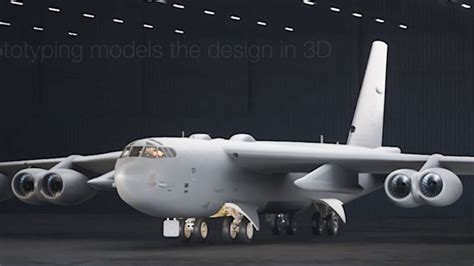
The B-52 Stratofortress: The Indestructible Titan
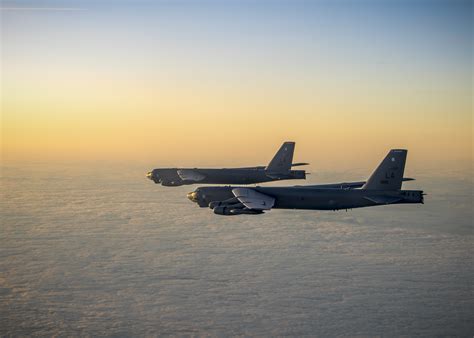
Known affectionately as the BUFF—”Big Ugly Fat Fellow”—the B-52 Stratofortress has cemented its legacy as one of the most reliable and flexible bombers ever built. With an origin tracing back to the 1950s, it remains the cornerstone of U.S. strategic airpower.
Now undergoing an ambitious modernization effort, the B-52 is set to receive the Commercial Engine Replacement Program (CERP). This involves replacing the aging Pratt & Whitney TF33 engines with the new Rolls-Royce F130 turbofans. These engines will:
- Improve fuel efficiency by 30-40%
- Reduce the need for aerial refueling
- Extend the bomber’s service life well into the mid-21st century
With these upgrades, the aircraft will be re-designated as the B-52J, also featuring enhanced avionics, radar, and communications systems. This transformation underscores the USAF’s commitment to keeping the BUFF operational until it surpasses 100 years in service—a feat unmatched in aviation history.
B-1B Lancer: The Bone’s Final Mission
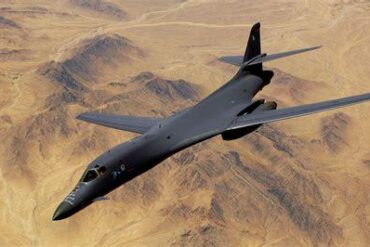
Nicknamed the “Bone” (from B-One), the Rockwell B-1B Lancer is approaching the twilight of its career. Once envisioned as a supersonic nuclear bomber, it was reconfigured under START treaties into a conventional strike platform with heavy payload capabilities.
Currently, only 46 B-1B aircraft remain active. These are being outfitted with Load Adaptable Modular (LAM) pylons, allowing the aircraft to carry advanced hypersonic weapons like:
- AGM-183A ARRW (Air-Launched Rapid Response Weapon)
- Hypersonic Attack Cruise Missile (HACM)
- AGM-158C LRASM (Long-Range Anti-Ship Missile), C-3 variant
This interim modernization ensures the B-1 remains operationally relevant as the B-21 Raider ramps up. The Lancer is set to be fully retired by the early-to-mid 2030s, with the remaining aircraft serving as vital placeholders in the USAF’s bomber portfolio.
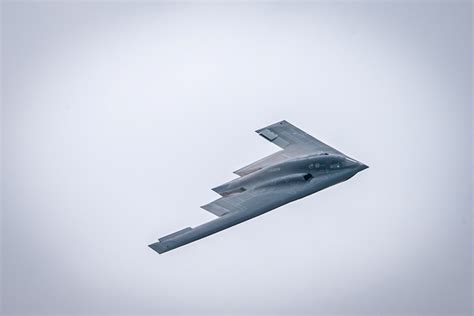
B-2 Spirit: The Stealth Phantom Nearing Retirement
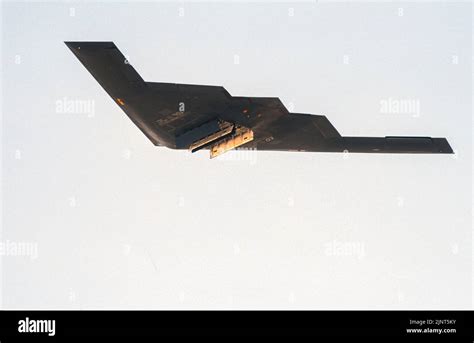
The Northrop Grumman B-2 Spirit, the world’s first fifth-generation stealth bomber, remains a symbol of American airpower’s cutting edge. Its distinctive flying wing shape and radar-absorbing materials grant it an extremely low observable profile, allowing it to penetrate deep into contested airspace undetected.
Out of the 21 Spirits originally built, 19 remain operational. However, due to high maintenance costs and a small fleet size, the B-2 is slated for retirement by the mid-2030s, coinciding with the planned operational maturity of the B-21 Raider. Meanwhile, the B-2 fleet continues to receive updates:
- Upgraded low-observable coatings
- Enhanced satellite communication systems
- Integration of new precision-guided munitions
Despite its eventual retirement, the B-2 will remain a vital part of U.S. nuclear and conventional deterrence until the transition to next-gen bombers is complete.
The B-21 Raider: Future of Stealth Warfare
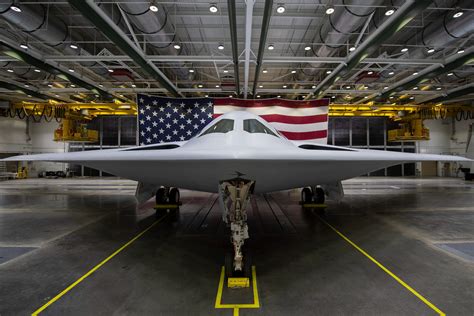
The Northrop Grumman B-21 Raider, currently undergoing test flights at Edwards AFB, is the cornerstone of the Air Force’s next-generation bomber strategy. The Raider is a sixth-generation aircraft, the first of its kind, drawing from B-2 Spirit design principles but enhanced for modern warfare and sustainment.
Key features of the B-21 include:
- Smaller, two-engine design for reduced maintenance
- Global strike range capabilities
- Enhanced multi-spectral stealth
- Readiness for both nuclear and conventional missions
The Air Force plans to procure at least 100 B-21s, although estimates suggest the number may rise to 200. This aircraft is expected to serve alongside the modernized B-52J, forming a two-type fleet optimized for the challenges of future conflicts.
The B-21 Raider will base operations out of Whiteman AFB, while Tinker AFB will serve as the center for maintenance and sustainment. Its deployment will allow the USAF to retire both the B-1 and B-2 as it transitions fully to the Raider-BUFF tandem strategy.
America’s Strategic Edge: Why Bombers Still Matter
Despite the emergence of hypersonic missiles, drone swarms, and AI-enabled weapons systems, strategic bombers remain indispensable. They offer a unique blend of:
- Deterrence through visibility
- Global reach and responsiveness
- Flexible payload delivery
- Nuclear and conventional capabilities
While only three nations maintain strategic bombers—the USA, China, and Russia—the U.S. remains the most advanced and operationally agile among them. Russia’s fleet of around 100 aircraft faces attrition from conflicts like the war in Ukraine. China’s force, though numerically larger, lacks the stealth, range, and payload versatility of American aircraft.
The USAF, in contrast, is shifting toward a leaner, meaner, stealth-dominant model. The integration of the B-21 Raider will mark a new era of power projection, with enhanced survivability, flexibility, and a potent mix of kinetic and cyber warfare capabilities.
The Road Ahead: Strategic Stability and Modern Warfare
By the mid-2030s, the USAF’s bomber force will undergo a complete metamorphosis. The legacy aircraft—the B-1B and B-2—will be replaced, while the B-52J and B-21 Raider become the foundational platforms for a 21st-century strategic strike force.
This restructuring is not merely about cost efficiency or aging hardware. It reflects a broader shift in doctrine. The Air Force is preparing for multi-domain operations against highly contested environments, where stealth, precision, adaptability, and endurance define success.
In numbers, the future bomber force may resemble:
- B-52J Stratofortress: ~76 (modernized)
- B-21 Raider: 100–200 (projected)
This composition ensures that America maintains global reach and air dominance, not just through brute force, but through technological superiority and operational readiness.
Conclusion: A Force in Transformation
The United States Air Force is not just maintaining its bomber fleet—it is revolutionizing it. The transition from a three-platform legacy force to a streamlined, high-tech, two-platform structure will elevate the USAF’s ability to project power across the globe for generations to come.
With 142 bombers currently in service and a clear trajectory toward modernization, the U.S. continues to hold the crown in strategic aerial warfare. From the indomitable BUFF to the ethereal Spirit, and the stealth-optimized Raider, each aircraft tells a story of innovation, resilience, and a relentless pursuit of dominance in the skies.