Montana, often celebrated for its sweeping plains, rugged mountains, and vast, untouched landscapes, conceals a far more formidable secret beneath its soil: nuclear missile silos capable of delivering catastrophic firepower across the globe. The question of how many missile silos are in Montana isn’t just a matter of curiosity—it speaks directly to the backbone of America’s land-based nuclear deterrent strategy.
The state plays a critical role in housing part of the United States’ Intercontinental Ballistic Missile (ICBM) fleet, a legacy of Cold War geopolitics that continues to evolve amid today’s uncertain international climate. With renewed global tensions, especially across volatile regions like the Middle East, understanding Montana’s place in America’s nuclear landscape has never been more vital.
Montana’s Nuclear Footprint: A Legacy of Cold War Strategy
The genesis of Montana’s nuclear infrastructure traces back to the early 1960s when the Cold War’s chilling nuclear standoff spurred rapid deployment of missile silos across the United States. Specifically, Montana’s missile silos first became operational during the infamous Cuban Missile Crisis on October 27, 1962, a confrontation that nearly plunged the world into nuclear war.
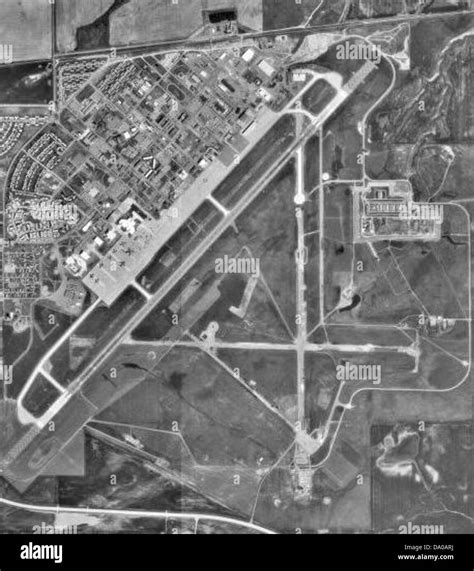
At the heart of Montana’s missile network is the 341st Missile Wing, headquartered at Malmstrom Air Force Base near Great Falls. This division of the Air Force Global Strike Command oversees 150 active Minuteman III ICBM launch facilities meticulously spread across central Montana’s agricultural landscapes, often hidden in plain sight amidst farmland and ranches.
These sites form part of America’s “nuclear triad,” the three-pronged defense structure consisting of submarine-launched ballistic missiles, strategic bombers, and land-based ICBMs. Montana’s silos, thus, remain a vital pillar of this structure, capable of rapid retaliation in the event of a nuclear exchange.
How Many Missile Silos Exist in Montana?
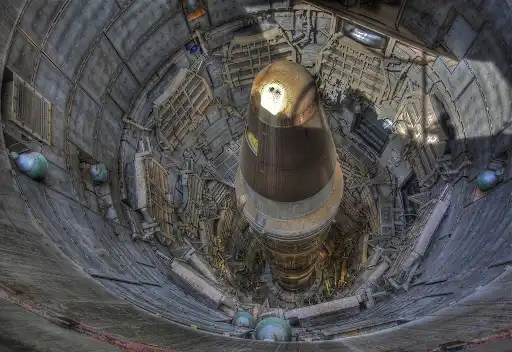
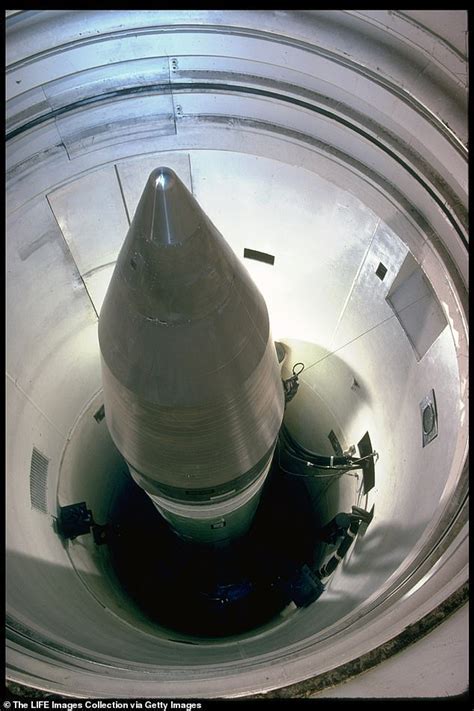
Montana is home to 150 missile silos, all operated by the 341st Missile Wing. These silos house the formidable LGM-30G Minuteman III missiles, a weapon system capable of delivering nuclear payloads with remarkable speed and precision.
While these 150 silos represent Montana’s specific contribution, the broader Great Plains region hosts a total of 450 missile silos scattered across Wyoming, Colorado, Nebraska, North Dakota, and Montana. Of these, 400 silos currently contain active ICBMs, with 50 additional silos held in reserve.
The missile silos are strategically located, with precise distances engineered to ensure survivability in the face of an enemy strike. Each launch facility must be positioned between 3.5 and 8.5 miles from one another, while maintaining a 3.5 to 17.5-mile radius from their associated launch control centers. This spatial arrangement enhances the resilience of the network, ensuring that even if some silos are compromised, the others can still function effectively.
Why Montana? The Strategic Choice Behind the Location
The decision to embed these powerful weapons across Montana’s countryside stems from its vast, sparsely populated terrain. The state offers:
- Expansive, low-density landscapes that reduce civilian exposure in the event of an incident.
- Geographic isolation that complicates foreign intelligence and sabotage efforts.
- Sufficient spacing between silos to withstand a first-strike scenario while retaining retaliatory capability.
Furthermore, Montana’s proximity to the northern U.S. border allows for optimal launch trajectories over the Arctic toward potential adversaries in Eurasia, a legacy of Cold War military planning that still influences strategic considerations today.
The Minuteman III: Backbone of Land-Based Deterrence
The Minuteman III, America’s current land-based ICBM, has been a mainstay of the nuclear arsenal since the 1970s. Though decades old, these missiles remain capable instruments of deterrence:
- Weight: Approximately 79,432 pounds.
- Speed: Up to 15,000 mph, enabling swift target engagement.
- Range: At least 6,000 miles, allowing strikes deep into adversary territory.
- Blast Radius: The nuclear detonation can devastate areas within a 3.5-mile radius.
These missiles, though reliable, are showing their age, prompting significant investment in modernization.
Sentinel ICBMs: Montana’s Nuclear Future
Recognizing the need to upgrade, the United States Air Force launched the ambitious Sentinel ICBM program in 2024. Designed to replace the aging Minuteman III fleet, the Sentinel promises cutting-edge capabilities while maintaining the robust deterrent framework.
The Montana component of this program is extensive:
- All 150 underground launch facilities will undergo modernization.
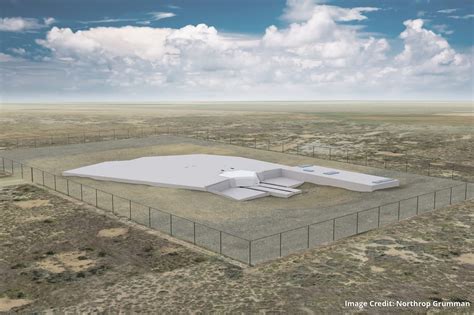
- Between 8 to 15 aboveground missile alert facilities will be constructed.
- 31 communications towers will ensure seamless command and control.
- 1,277 miles of new utility corridors will support operational infrastructure.
- 1,750 miles of existing corridors will be integrated into the new system.
The project spans approximately 13,800 square miles of Montana, marking one of the largest defense infrastructure undertakings in recent history. The estimated cost is an eye-watering $132 billion, though that figure may rise as work progresses over the coming decade.
The Broader Nuclear Arsenal: Context Beyond Montana
While Montana’s silos are integral, they represent only a fraction of America’s vast nuclear capabilities. As of January 2024, the United States possesses approximately 5,044 nuclear warheads, according to Statista. Remarkably, nearly half are stored at an underground complex at Kirtland Air Force Base, near Albuquerque, New Mexico.
This figure may seem immense, but it’s a sharp reduction from the Cold War peak of 31,255 warheads, reflecting decades of arms control agreements and strategic shifts. Nevertheless, Montana’s silos remain operational, symbolizing the enduring relevance of land-based ICBMs within the evolving global security environment.
Geopolitical Implications and Modern Relevance
Rising geopolitical instability, especially in regions like the Middle East, underscores the ongoing necessity of a credible nuclear deterrent. The presence of 150 missile silos in Montana signals to allies and adversaries alike that the United States retains a robust retaliatory capability.
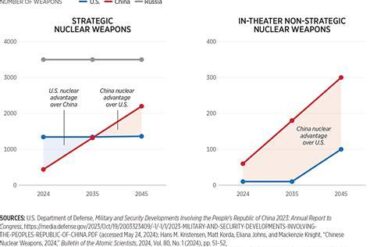
Moreover, the current modernization efforts, including the Sentinel program, highlight the Pentagon’s commitment to maintaining technological superiority amid escalating competition from nuclear powers like Russia and China.
The strategic calculus involves more than raw numbers. Factors such as missile accuracy, survivability, and response time play critical roles. Montana’s geography, coupled with modern command infrastructure, ensures the state’s silos remain at the forefront of deterrence strategy.
Conclusion: Montana’s Silent Guardians
Montana’s peaceful landscapes hide some of the world’s most destructive weapons beneath their surface. The 150 missile silos dotting the state, operated by the 341st Missile Wing, are not relics of history but active components of a dynamic defense system evolving to meet new global threats.
As the Sentinel ICBM program reshapes Montana’s nuclear infrastructure over the coming decade, the state’s role in America’s defense posture will only deepen. In the quiet fields and vast prairies of Big Sky Country, silent sentinels stand ready, a sobering reminder of the balance of power that shapes the modern world.