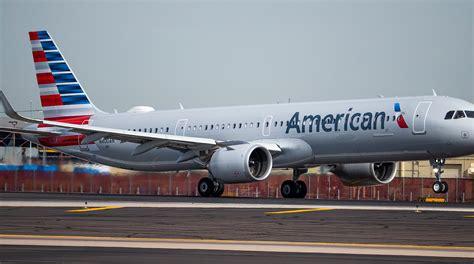
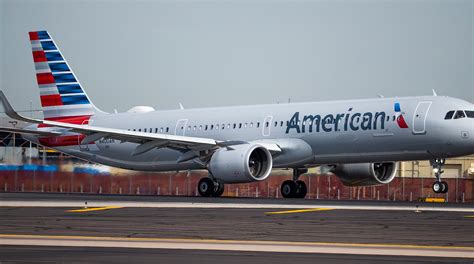
American Airlines has firmly established itself as the largest operator of the Airbus A321neo in the United States, with a robust and rapidly expanding fleet. As of 2026, the carrier operates 88 Airbus A321neo aircraft across three primary variants, with an additional 142 A321neos on order, reinforcing its strategic commitment to the next-generation narrowbody aircraft segment.
Current Airbus A321neo Fleet Composition
The fleet includes three subtypes of the A321neo:
- A321-200N: 10 aircraft (all active)
- A321-200NX (Cabin Flex): 75 aircraft (71 active, 4 inactive)
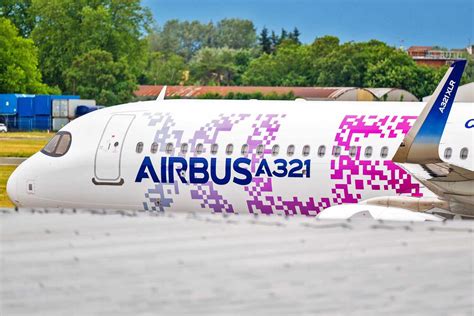
- A321-200XLR: 3 aircraft (currently inactive)
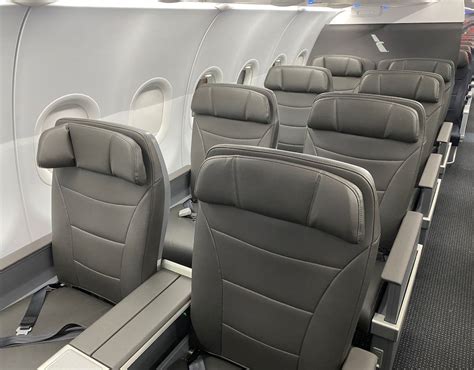
This configuration reflects American Airlines’ diverse operational needs. The A321-200NX, distinguished by its Airbus Cabin Flex layout, is the backbone of the current active fleet, offering optimized space, flexible door configurations, and enhanced passenger amenities. The XLR (Extra Long Range) variant, while currently grounded, represents the future of medium- to long-haul narrowbody operations.
Where American Airlines Deploys the A321neo
The A321neo’s versatility allows American Airlines to operate it across a variety of routes—from short-haul connections to transcontinental flights. High-frequency routes include:
- Dallas–Fort Worth (DFW) to Phoenix (PHX): 163 monthly flights
- Philadelphia (PHL) to Los Angeles (LAX): 147 monthly flights
- Miami (MIA) to Los Angeles (LAX): 121 monthly flights
The A321neo has also been deployed on longer hauls such as Phoenix to Lihue, stretching nearly 3,000 miles. These routes showcase the aircraft’s ability to cover extensive distances with operational efficiency and comfort.
Unique Applications: Pilot Training via Transatlantic Ferry Flights
An unusual use case for the A321neo has surfaced: empty ferry flights between Philadelphia and Edinburgh. These flights serve a crucial purpose—training Check Airmen, the senior pilots responsible for certifying others on new aircraft types. According to American Airlines, this form of live-aircraft training is necessary to support the scale of A321neo operations being integrated into their schedule.
Although these flights carry no passengers, they are a vital investment in maintaining pilot readiness and safety as American’s A321neo fleet grows.
Orders and Expansion Plans
American Airlines’ future with the A321neo is aggressive and intentional. The airline has placed orders for:
- 95 more A321-200NX aircraft
- 47 A321-200XLR aircraft
This totals 142 additional aircraft, positioning the airline for expanded narrowbody operations over the next decade. These jets will serve as replacements for aging aircraft and as capacity growth enablers on routes that previously required widebodies.
Acquiring A321neos from Alaska Airlines
Ten A321neos in American’s current fleet have an unusual origin: they were acquired from Alaska Airlines, who inherited them from Virgin America. These aircraft differ slightly from the standard A321-200NX variant and can be identified by their tail numbers ending in “XV”.
Alaska Airlines opted to divest these aircraft to consolidate its fleet around Boeing types. American Airlines then initiated a comprehensive retrofit program to align these airframes with its Oasis cabin configuration, ensuring uniformity across all aircraft for both crew operations and passenger experience.
Why American Airlines Chose the A321neo
The decision to invest in the A321neo stems from several strategic advantages:
- Efficiency: Up to 20% better fuel efficiency thanks to advanced engines (CFM LEAP-1A or PW1100G-JM)
- Range: Up to 4,000 nautical miles for the standard neo and 4,700 nautical miles for the XLR variant
- Capacity: Flexibility to seat 180 to 244 passengers, depending on layout
- Reduced Environmental Impact: Lower emissions per seat-mile, aiding sustainability targets
These aircraft give American Airlines the ability to maintain high-capacity domestic routes, enter new long-haul narrowbody markets, and cut costs through fuel savings and operational streamlining.
A Strategic Fleet Backbone
American Airlines has effectively positioned the A321neo as a central pillar in its fleet modernization strategy. CEO Robert Isom emphasized that the goal is to “deliver the best network and record-setting operational reliability.” By consolidating around the A320 family, American reduces training costs, simplifies maintenance logistics, and leverages scale advantages.
Moreover, American’s size in this category gives it negotiation leverage with Airbus, allowing for preferential delivery slots and pricing advantages. The A321neo is not merely an aircraft; it is a strategic asset enabling flexible growth, enhanced profitability, and improved customer satisfaction.
Looking Ahead: The Role of the A321XLR
While only three A321XLRs have joined the fleet thus far, their role is poised to expand dramatically. These jets are intended to serve long-thin routes—international routes that lack the demand for widebody service but are too long for standard narrowbodies.
From 2026 onwards, American is expected to open new European and South American city pairs using the A321XLR. These could include flights from the East Coast to:
- Northern Europe
- Northeastern Brazil
- Secondary Mediterranean markets
With a maximum flight time of 11 hours, the XLR transforms what was traditionally a widebody market into one that narrowbodies can now serve profitably.
Conclusion
As of 2026, American Airlines operates a fleet of 88 A321neo aircraft, the largest of any U.S. airline, and has 142 more on order. This aircraft has become a central part of the airline’s domestic and transatlantic network strategy. From route expansion and fuel savings to pilot training and fleet consistency, the A321neo serves as a linchpin in American Airlines’ ongoing evolution.
This long-term commitment underscores American’s confidence in the A321neo platform’s capability to deliver on performance, profitability, and sustainability fronts. With the upcoming deployment of the XLR variant and the scaling of Check Airmen training, the A321neo is set to shape the airline’s future for years to come.