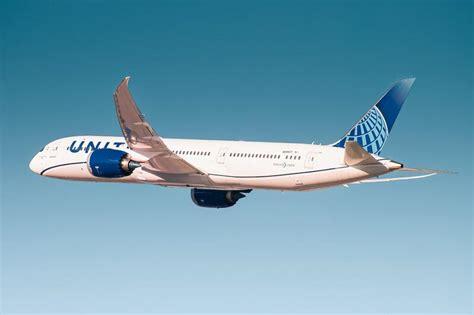
United Airlines has officially placed an order for 40 Airbus A321neo aircraft, a strategic move that deepens its commitment to sustainability, expands its operational flexibility, and strengthens its global fleet diversity. Previously attributed to an unnamed customer in Airbus’ official backlog, this order now represents a pivotal chapter in United’s long-term fleet modernization initiative, as it looks beyond 2030 to build a future-ready airline.
The Airbus A321neo — an aircraft celebrated for its fuel efficiency, reduced carbon emissions, and extended range — fits directly into United’s broader environmental and commercial goals. This new addition not only addresses environmental regulations and fuel costs but also reflects United’s response to evolving market dynamics, particularly ongoing certification delays associated with the Boeing 737 MAX 10.
United’s current Airbus inventory includes 37 A321-200NX jets, with 165 more scheduled for delivery, underscoring a growing pivot toward the European aircraft manufacturer.
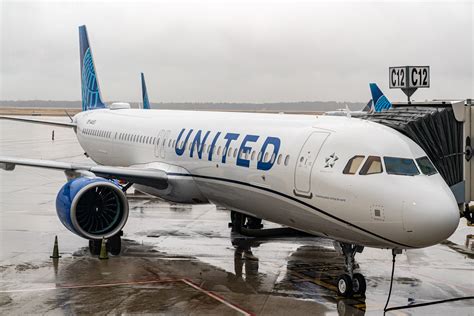
Airbus A321neo: The Backbone of a Cleaner, Longer-Haul Future
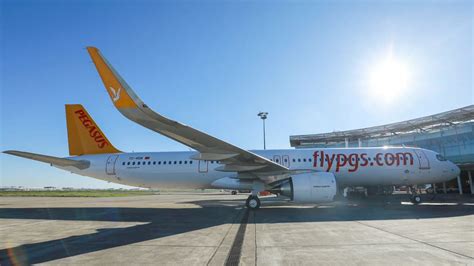
The A321neo (New Engine Option) is a significant upgrade over its predecessors, offering up to 20% fuel savings per seat, quieter operations, and advanced avionics. For United, this means a tangible reduction in emissions and a more sustainable fleet well into the 2030s.
With transatlantic-capable range and a typical seating capacity of around 180–220 passengers in a two-class configuration, the A321neo is the ideal aircraft for medium-haul international and high-density domestic routes. United is expected to deploy these aircraft across strategic routes that demand efficiency without sacrificing passenger comfort.
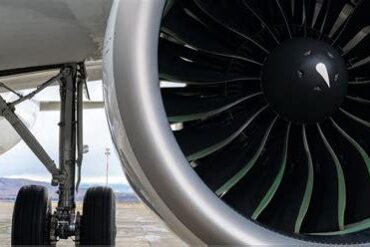
Operationally, the A321neo’s performance supports point-to-point travel, reducing reliance on traditional hub structures. Its superior Range (4,000 nautical miles) and next-gen LEAP-1A engines contribute directly to United’s 100% green net-zero emissions goal by 2050 — a critical piece of the airline’s ESG narrative.
Responding to Delays: Boeing’s Slippage Opens Airbus Opportunity
The strategic timing of United’s Airbus order also coincides with delays affecting Boeing’s 737 MAX 10 certification. Originally expected to complement United’s domestic operations by mid-decade, the MAX 10 now faces uncertainty, with entry into service likely postponed until 2027 or 2028. This delay, compounded by regulatory and manufacturing bottlenecks, has made it increasingly difficult for airlines to rely solely on Boeing to fulfill mid-term capacity needs.
United’s order reflects a deliberate risk-mitigation strategy. By diversifying its fleet composition, United ensures schedule reliability and capacity scalability, independent of supplier disruptions. This move also sends a strong signal to both Airbus and Boeing that flexibility and performance are paramount in future procurement decisions.
United’s Record-Breaking Expansion from O’Hare and Beyond
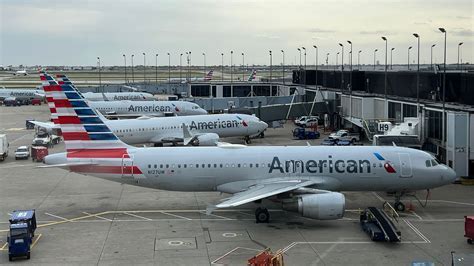
Fleet expansion is only part of the story. On May 30, 2025, United Airlines announced a record-setting number of flights departing from Chicago’s O’Hare International Airport, its global hub. This marks the busiest operational schedule in the airline’s history from this location, featuring increased frequencies, new routes, and capacity boosts to both domestic and international destinations.
Additionally, United revealed plans to extend popular weekend services to the Caribbean and Latin America, including Cozumel, Saint Martin, and Guatemala City. These enhancements are aligned with travel trends indicating stronger post-pandemic demand for leisure and seasonal routes.
According to Omar Idris, United’s Vice President at O’Hare:
“Building on the momentum of an anticipated-record-breaking summer, we’re taking things further this fall with our busiest flight schedule of the year — adding more flights and extending service to warm-weather destinations in the U.S. and around the world.”
This ambitious schedule is made possible, in part, by the modern fleet additions like the A321neo, which offer United the capacity and efficiency needed to scale service with agility.
Customer-Centric Strategy Anchored in Fleet Modernization
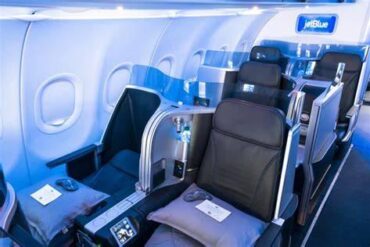
In the ultra-competitive airline market, passenger experience is more than a luxury—it’s a differentiator. The Airbus A321neo will introduce next-generation cabin experiences to United’s customers, including:
- Expanded cabin interiors with larger overhead bins
- Lower cabin noise and improved pressurization
- Higher humidity and more natural lighting
These enhancements align with customer expectations around comfort, health, and technology, especially on longer domestic flights and short international hauls. United’s configuration strategy reportedly includes high-speed satellite Wi-Fi, USB-C power ports, and seatback screens across all cabins — reflecting a modern and consistent onboard product.
Moreover, fleet modernization has a direct impact on punctuality, mechanical reliability, and carbon footprint, all of which contribute to elevated Net Promoter Scores (NPS) and long-term brand loyalty.
Strategic Realignment: Airbus’s Growing Role at United Airlines
For decades, United Airlines has been a Boeing loyalist, operating hundreds of aircraft across the 737, 757, 767, 777, and 787 families. However, the past five years have seen a steady shift toward Airbus, especially in the narrowbody segment. The new order of 40 A321neos solidifies that trajectory.
United’s total Airbus order book now rivals its Boeing narrowbody pipeline, with over 200 Airbus narrowbody jets either in service or pending delivery. This growing balance is a strategic asset, allowing United to:
- Negotiate favorable pricing and delivery schedules
- Reduce supplier dependency and risk
- Ensure performance benchmarks are consistently met
Environmental Stewardship Meets Commercial Viability
Sustainability is no longer a PR talking point — it’s a competitive necessity. United’s push for a greener fleet is deeply embedded in its strategic operations. By 2030, the airline aims to significantly reduce emissions intensity per revenue passenger kilometer (RPK), with the A321neo playing a crucial role in achieving that target.
Unlike older aircraft such as the Boeing 757 and early 737s, which emit higher CO₂ per seat, the A321neo leverages newer materials and more efficient engines to achieve a 50% noise footprint reduction and double-digit emission cuts. Paired with United’s investments in Sustainable Aviation Fuel (SAF) and carbon capture technologies, this acquisition strengthens its reputation as a pioneer in sustainable commercial aviation.
United Airlines: A Century of Global Excellence
Founded in 1926, United Airlines has evolved into one of the world’s most recognized and expansive carriers. Headquartered in Chicago, it operates a global network that spans 350+ destinations with a fleet of over 900 aircraft. United is a founding member of Star Alliance, enabling seamless travel experiences across the globe.
Its recent actions — from placing high-volume orders to expanding route maps — reflect an airline not just reacting to industry changes, but actively shaping the future of air travel.

Looking Forward: The Sky Is Just the Beginning
With this latest Airbus order, United Airlines signals to the world that it is not merely rebuilding, but reinventing. By integrating high-performance, sustainable aircraft like the A321neo into its operations, United is better equipped to navigate a complex aviation landscape marked by evolving regulations, unpredictable fuel prices, and discerning travelers.
In the coming years, expect to see United leverage its expanded fleet for strategic growth across underserved transatlantic markets, key U.S. business corridors, and emerging leisure routes. The airline’s agile planning, robust aircraft pipeline, and focus on sustainability together form a blueprint for 21st-century aviation success.