Singapore-based BOC Aviation, one of the world’s largest aircraft leasing companies, has unveiled a landmark deal to purchase 120 new narrowbody jets from aviation giants Airbus and Boeing, signaling an aggressive fleet expansion strategy as global air travel continues its upward trajectory. The move reflects not only confidence in long-term market growth but also a bold commitment to maintaining a leadership position in the competitive aircraft leasing sector.
BOC Aviation’s Bold Order: A Strategic Leap Towards 1,000 Aircraft
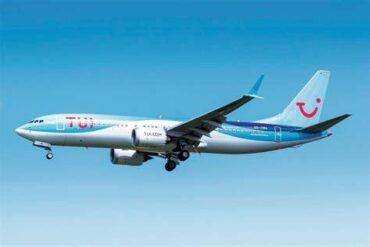
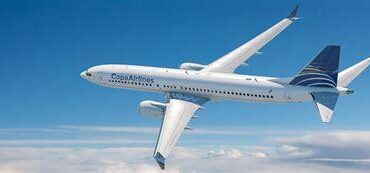
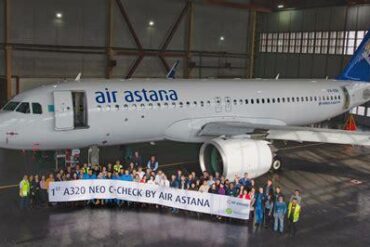
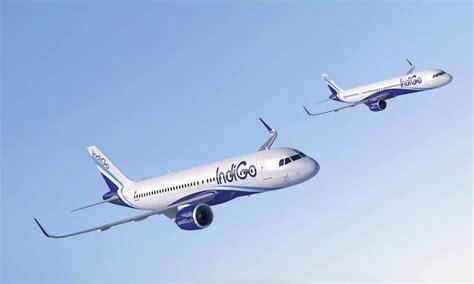
The leasing giant, majority-owned by Bank of China, announced on March 31 that it will acquire 70 A320neo family aircraft from Airbus and 50 Boeing 737 MAX 8 aircraft. This dual-manufacturer deal is a calculated response to mounting demand from airlines, particularly low-cost carriers that favor single-aisle jets for their operational efficiency and fuel savings.
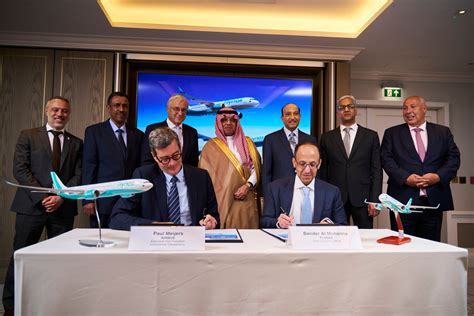
The newly placed orders will push BOC Aviation closer to its ambitious target of reaching a 1,000-strong fleet by the end of the decade. As of the close of 2024, the company managed 467 owned aircraft and had 232 more on order, placing this latest commitment squarely in line with its aggressive growth roadmap.
BOC Aviation CEO Steven Townend emphasized the importance of the Boeing component, stating, “With this transaction, we have commitments to purchase over 140 of these Boeing 737-8 aircraft, which is the largest Boeing orderbook position in our history.”
Financial Implications and Aircraft Valuations
Although BOC Aviation did not disclose the final purchase price of the deal, market estimates from Cirium Ascend suggest that the Airbus order could be worth around $3.78 billion and the Boeing component approximately $2.72 billion. These valuations are based on standard delivery pricing, which can vary significantly depending on customization, engine selection, and financing terms.
This dual investment—totaling an estimated $6.5 billion—not only reaffirms BOC’s deep pockets but also reflects a strategic alignment with the long-term aircraft demand forecast, particularly in high-growth emerging markets.
Market Dynamics: A Sweet Spot for Lessors
In today’s environment, aircraft lessors like BOC Aviation are experiencing a notable surge in demand. The underlying causes include ongoing delivery delays from both Boeing and Airbus due to factors such as labor shortages, regulatory holdups, and global supply chain disruptions. With airlines struggling to obtain new aircraft directly from manufacturers, leasing firms have become critical intermediaries.
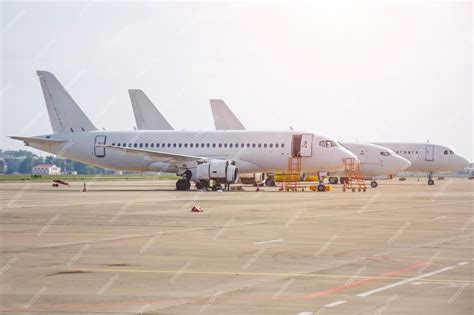
Approximately 85% of BOC Aviation’s fleet is comprised of narrowbody jets, a figure that underscores the company’s strategic focus on the most in-demand segment of the commercial aviation market. Narrowbody aircraft, particularly the A320neo and 737 MAX, are preferred by budget carriers and legacy airlines alike for their fuel efficiency and short-to-medium haul versatility.
The ongoing delays from manufacturers have effectively tilted market leverage in favor of lessors. Airlines looking to expand capacity or replace aging fleets increasingly depend on leasing firms to fill urgent gaps in availability.
Fleet Expansion Timeline and Delivery Windows
The Airbus aircraft are expected to be delivered through 2032, while Boeing’s 737 MAX 8 jets are scheduled for delivery through 2031. This extended timeline offers BOC Aviation a structured and manageable pace of growth, allowing the company to strategically align asset deployment with global air traffic demand trends.
Townend noted that these orders reinforce BOC’s commitment to long-term partnerships with both manufacturers. With this agreement, the lessor’s Airbus backlog will grow to nearly 200 aircraft, further consolidating its influence within the OEM’s customer base.
Financial Strength Backing Fleet Growth
BOC Aviation’s latest order comes on the heels of record-breaking financial performance. The company reported a net profit of $924 million in 2024, a 21% year-over-year increase. This surge in profitability is not only reflective of post-pandemic market recovery but also points to efficient portfolio management and favorable lease rates.
The increased lease demand has allowed lessors to lock in higher yields and longer contract durations. As manufacturers struggle with output bottlenecks, the value proposition of leasing aircraft has never been stronger, particularly for airlines needing immediate operational assets without long waiting periods.

Narrowbody Aircraft: The Powerhouse of Global Aviation
The focus on narrowbody aircraft is a calculated strategic maneuver. Single-aisle planes like the Airbus A320neo and Boeing 737 MAX 8 represent the backbone of short and medium-haul aviation. Their importance has only intensified in the post-pandemic recovery, with budget-conscious travelers and carriers seeking efficiency and flexibility.
Both aircraft families are equipped with next-generation engines and aerodynamic improvements, offering substantial reductions in fuel burn and operating costs. For airlines, these savings directly translate into competitive pricing and improved margins—especially crucial in an environment of volatile fuel costs.
By increasing its portfolio of these aircraft, BOC Aviation positions itself to meet the real-time needs of airline clients, many of whom are shifting fleet strategies to embrace more environmentally sustainable and cost-effective aircraft.
Asia-Pacific: The Core Growth Market
BOC Aviation’s headquarters in Singapore situates it strategically at the heart of the Asia-Pacific region, which is forecasted to experience the fastest growth in passenger traffic over the next two decades. With economies like India, China, Indonesia, and Vietnam rapidly urbanizing and expanding middle-class segments, demand for air travel is set to skyrocket.
The region’s rise in low-cost carrier (LCC) activity further supports demand for narrowbody aircraft, which dominate LCC fleet structures. BOC’s expanding footprint in this segment offers a direct conduit into Asia’s booming aviation market.
Long-Term Impact on OEM Relationships and Competitive Position
This historic order solidifies BOC Aviation’s standing as a top-tier client for both Airbus and Boeing. In a landscape where manufacturer-delivery reliability is being closely scrutinized, establishing strong long-term ties with OEMs helps secure priority in production slots and flexible deal structuring.
The investment also sends a signal to airline clients that BOC Aviation will continue to be a reliable partner with deep aircraft availability, ready to support expansion, fleet modernization, or transitional fleet requirements as market needs evolve.
Future Outlook: Scale, Timing, and Strategic Leverage
Looking forward, BOC Aviation is positioning itself as a scalable and agile leasing partner capable of rapidly deploying aircraft across different geographies. Its well-capitalized balance sheet and long-standing relationships with global airlines give it the financial flexibility and customer insights to act decisively.
Moreover, its strategy of spreading delivery commitments over a multi-year horizon allows it to match aircraft placement with airline growth cycles, optimizing lease revenues while minimizing idle aircraft risk.
In the context of mounting global aviation demand and constrained manufacturer output, BOC Aviation’s decision to double down on narrowbody jets is not only timely but also tactically sound.
Conclusion: A Defining Move in the Aircraft Leasing Landscape
BOC Aviation’s purchase of 120 new aircraft from Airbus and Boeing represents a pivotal milestone in the company’s strategic expansion. With delivery schedules extending to 2032 and a financial engine firing on all cylinders, the lessor is preparing to reshape the global leasing landscape and provide critical support to airlines navigating a complex recovery and growth phase.
This deal not only cements BOC’s position among the elite lessors but also reflects a broader industry realignment where leasing powerhouses step in as the backbone of aircraft supply chains in an era of manufacturing uncertainty. As airlines worldwide grapple with delivery delays and capital constraints, BOC Aviation’s foresight ensures it remains a central figure in enabling the future of flight.