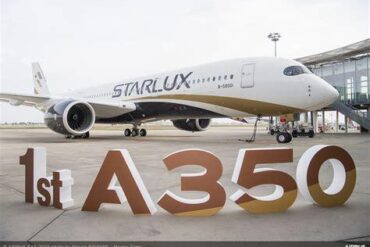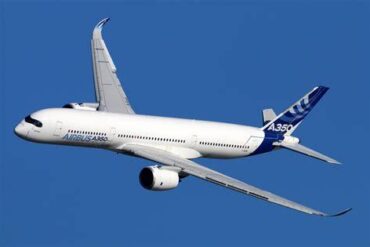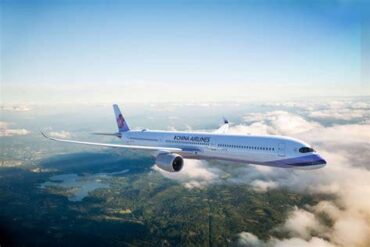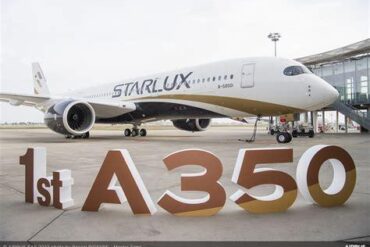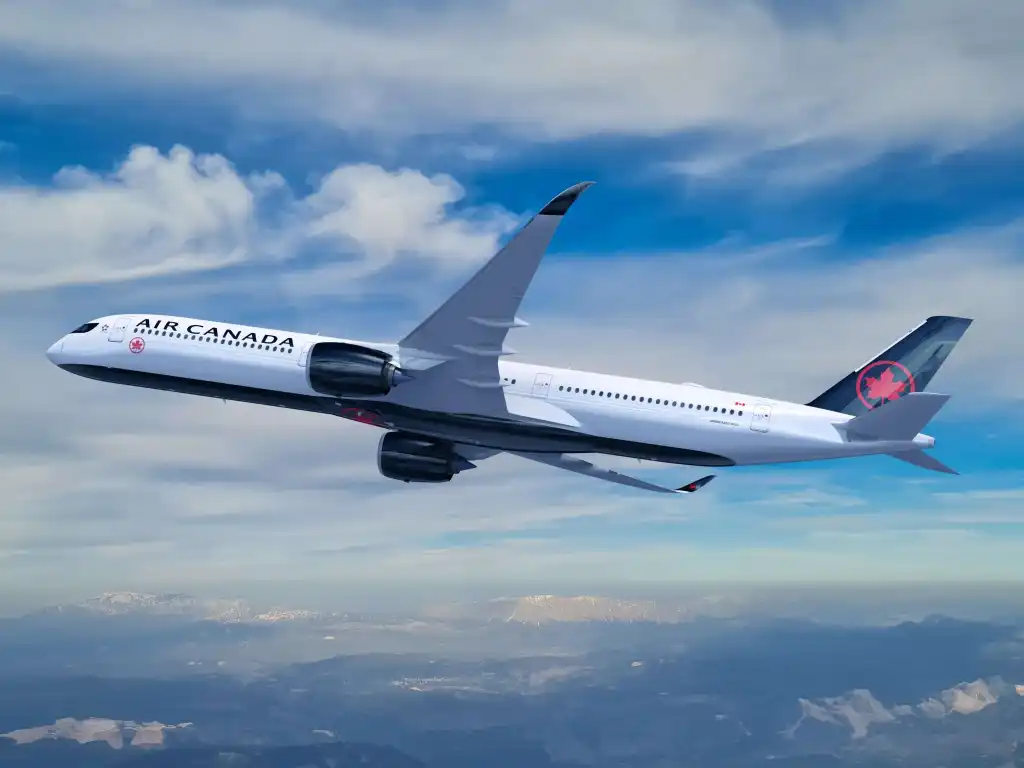
Air Canada has taken a decisive step in reshaping its long-haul strategy with a firm order for eight Airbus A350-1000 aircraft, alongside eight additional options, signaling a new chapter in its international growth ambitions. Deliveries are scheduled to begin in the second half of 2030, positioning the aircraft as a cornerstone of the airline’s fleet modernization program for the next decade. This move not only diversifies Air Canada’s widebody portfolio but also marks its first widebody commitment to Airbus in nearly 30 years.
The Canadian flag carrier’s long-haul operations are currently dominated by Boeing 777s and Boeing 787 Dreamliners, supported by a smaller fleet of Airbus A330-300s. By introducing the A350-1000, Air Canada is strategically broadening its fleet mix while securing access to one of the most technologically advanced long-range aircraft in service today. The aircraft’s 25% improvement in fuel efficiency compared to older-generation widebodies aligns directly with the airline’s economic and environmental objectives.
With list prices for the A350-1000 previously pegged at approximately $360 million per aircraft, the deal comfortably exceeds the billion-dollar threshold, potentially surpassing $3 billion should all options be exercised. Although airlines typically negotiate significant discounts, the scale of this commitment underscores Air Canada’s confidence in sustained international demand.
A Strategic Widebody Partnership Reignited
Air Canada is no stranger to Airbus. The airline already operates a substantial fleet of Airbus A220s and A320-family aircraft, in addition to its A330s. However, this A350-1000 order represents a notable return to Airbus widebody procurement after nearly three decades.
The A350-1000 will be powered by the Rolls-Royce Trent XWB97 engines, a powerplant renowned for its high thrust, fuel efficiency, and operational reliability. The engine choice further enhances the aircraft’s long-range capability and payload performance, key factors as Air Canada seeks to optimize both passenger and cargo capacity on extended routes.
Mark Galardo, EVP, Chief Commercial Officer, and President of Cargo at Air Canada, emphasized that the aircraft will play a central role in defining the airline’s next era. The A350-1000’s combination of impressive range, enhanced payload capability, and strong operating economics positions it as a powerful tool for unlocking new ultra-long-haul markets while strengthening existing trunk routes.
Cabin Experience: A New Flagship in the Making
Although Air Canada has yet to reveal the specific seating configuration for its A350-1000 fleet, industry expectations point toward a premium-heavy layout that could elevate the aircraft to flagship status. The airline has recently introduced a refreshed cabin standard on its Boeing 787-10s and Airbus A321XLRs, suggesting the A350-1000 will likely adopt similar design language and technological enhancements.
Most operators configure the A350-1000 with a nine-abreast economy layout, maintaining seat widths of approximately 18 inches. However, some carriers opt for a ten-abreast arrangement to increase capacity, reducing seat width to about 17 inches. Air Canada’s decision will ultimately reflect its balance between passenger comfort and revenue optimization.
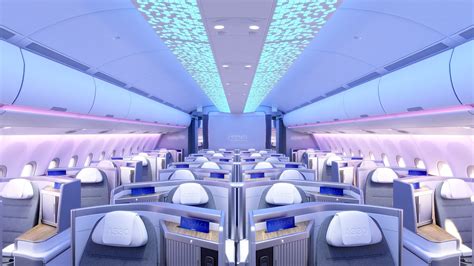
The aircraft’s interior architecture is built around Airbus’ “Airspace” cabin philosophy, which integrates advanced mood lighting, larger overhead bins, and refined sound insulation. A standout feature is its low cabin altitude of 6,000 feet, significantly lower than older aircraft types. This helps reduce passenger fatigue, dehydration, and jet lag on long-haul journeys—an increasingly important differentiator as airlines compete for premium travelers.
Unlocking Ultra-Long-Haul Possibilities
One of the A350-1000’s defining strengths is its maximum range of up to 9,000 nautical miles (16,668 kilometers). This capability enables non-stop connectivity between distant city pairs that were previously marginal or economically challenging.
For Air Canada, this opens compelling opportunities across the Asia-Pacific region, Europe, and Latin America. The airline is already expanding its global network with new services to destinations including Shanghai and Sapporo, while deepening its footprint in Europe and strengthening its presence in Latin America. The A350-1000 will provide the operational flexibility to sustain and expand these routes with greater efficiency.
Beyond pure range, the aircraft’s cargo capacity is a strategic asset. As global trade patterns evolve, belly cargo revenue has become a crucial component of widebody economics. The A350-1000’s enhanced payload performance allows Air Canada to carry both high passenger loads and significant freight volumes, improving route profitability.
Fleet Modernization in a Broader Context
Air Canada’s order must be viewed within the wider framework of its fleet renewal strategy. The carrier currently has around 90 aircraft on order, spanning Airbus, Boeing, and former Bombardier platforms. Among the most notable incoming types is the Airbus A321XLR, which will introduce transatlantic narrowbody capability along with the airline’s Signature Class lie-flat cabin—a first for a single-aisle aircraft in its fleet.
This layered approach—combining long-range narrowbodies with next-generation widebodies—creates a flexible network model. The A321XLR can efficiently serve thinner long-haul routes, while the A350-1000 will dominate high-demand intercontinental corridors and ultra-long-haul missions. Together, they reshape Air Canada’s competitive positioning against both North American and global rivals.
The A350-1000 order signals more than fleet growth; it represents a calculated investment in efficiency, passenger comfort, and network expansion. By integrating advanced aerodynamics, composite materials, and next-generation engines, the aircraft embodies the technological evolution defining modern aviation.
As deliveries approach the next decade, Air Canada is positioning itself not merely to participate in global aviation growth, but to shape it—leveraging the A350-1000 as a flagship platform for a broader international resurgence.