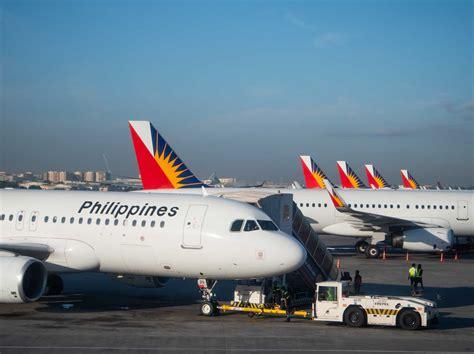
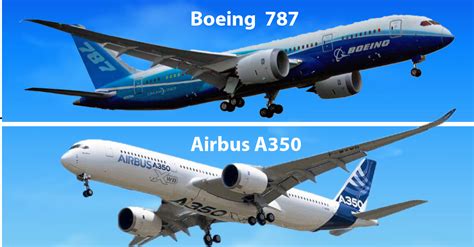
Philippine Airlines (PAL) is reportedly preparing one of the most significant fleet decisions in its recent history, with the flag carrier expected to divide a major widebody aircraft order between Boeing and Airbus. The planned agreement would see PAL acquire 10 Boeing 787 Dreamliners and 10 Airbus A350s, creating a rare split fleet strategy for the airline’s future long-haul operations.
The multi-billion-dollar order represents a major step in PAL’s long-term modernization program. It would also mark the carrier’s first purchase of new Boeing commercial aircraft in nearly two decades, reconnecting the airline with the American manufacturer after years of relying heavily on Airbus for fleet expansion.
The expected announcement comes as PAL prepares to strengthen its position in international aviation markets. The carrier is reportedly planning to reveal details during the Farnborough International Airshow, where major airlines and aircraft manufacturers traditionally announce significant commercial agreements.
A Strategic Return to Boeing After Nearly 20 Years
Boeing aircraft currently represent only a small portion of the commercial aviation fleet operating in the Philippines. For PAL itself, the manufacturer’s presence is limited mainly to its fleet of 10 Boeing 777-300ER long-haul aircraft. The upcoming 787 order would therefore represent a significant shift in fleet strategy.
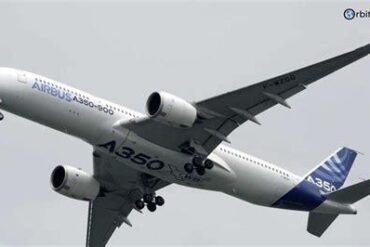
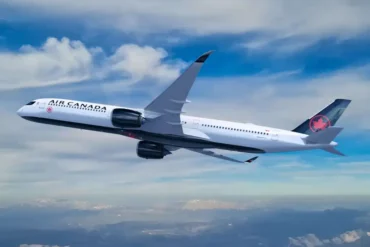
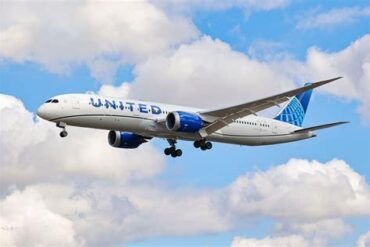
The decision to bring Boeing back into PAL’s future fleet highlights the airline’s focus on flexibility. By operating both the Boeing 787 Dreamliner and the Airbus A350, PAL would gain access to two of the world’s most advanced long-range aircraft families. Both aircraft offer exceptional fuel efficiency, extended range capability, and improved passenger comfort compared with previous-generation widebody jets.
The move also arrives during a period of broader aviation development in the Philippines. Infrastructure improvements around Manila’s airport system and national transportation networks are supporting increased international connectivity. As the country’s economy and tourism sector continue expanding, PAL is positioning itself to handle stronger demand across major global routes.
Replacing Older Aircraft With Next-Generation Widebodies
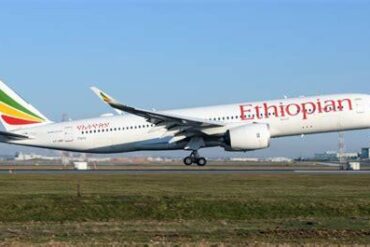
PAL’s existing long-haul fleet includes a mixture of newer and older aircraft types. The airline already operates Airbus A350 aircraft, including the A350-1000, but older Airbus A330-300s remain a significant part of its widebody operations.
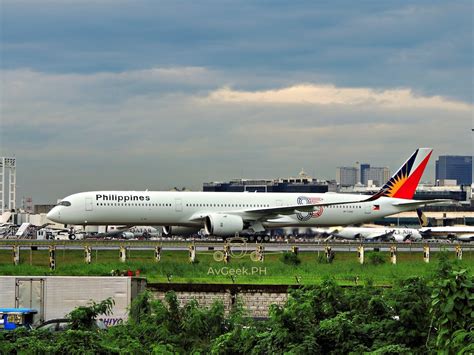
Replacing aging aircraft with next-generation jets would deliver benefits for both passengers and the airline. The Boeing 787 and Airbus A350 are built extensively with composite materials, allowing manufacturers to reduce structural weight while improving operational efficiency.
For travelers, these aircraft introduce a noticeably more comfortable long-haul experience. Lower cabin altitude settings, improved humidity levels, advanced air filtration systems, larger windows, and modern LED lighting all help reduce fatigue during extended flights.
For PAL, the efficiency improvements could translate into lower fuel consumption and reduced operating costs. These advantages are particularly important as airlines compete in long-haul markets where fuel prices and environmental expectations continue influencing fleet decisions.
Growing North American Network Supports Fleet Expansion
The timing of PAL’s widebody investment aligns with the airline’s continued focus on international expansion, especially in North America. The carrier has identified routes to major destinations such as Vancouver, Toronto, and New York as strategically important markets.
PAL has emphasized that its North American network plays a central role in supporting tourism, trade, and economic connections between the Philippines and overseas communities. Additional aircraft capacity would allow the airline to increase passenger and cargo opportunities on some of its most important international services.
The new aircraft would also provide PAL with greater flexibility when adjusting schedules. A mixed fleet of Boeing 787s and Airbus A350s could allow the airline to match aircraft size and range capabilities with specific route requirements.
Joining Oneworld Strengthens PAL’s Global Position
The fleet upgrade is part of a wider transformation at PAL, which is also moving closer to becoming a full member of the oneworld alliance. The airline’s entry would make it the 16th member of the global partnership and one of the few Southeast Asian carriers represented within the alliance.
Membership in oneworld would expand opportunities for PAL passengers through improved connectivity, loyalty benefits, and access to hundreds of airport lounges worldwide. Combined with new-generation aircraft, the alliance strategy could significantly enhance the airline’s appeal to international travelers.
The combination of modern aircraft, stronger partnerships, and improved airport infrastructure reflects a broader effort to reshape the passenger experience. PAL is not simply replacing airplanes; it is building a more competitive global network.
A New Passenger Experience Across Every Cabin
The arrival of Boeing 787 and Airbus A350 aircraft would introduce major improvements throughout PAL’s cabins. While final interior specifications have not been fully confirmed, modern versions of these aircraft typically feature upgraded business class seating, enhanced entertainment systems, and improved passenger technology.
Premium travelers could benefit from features such as private suites with sliding doors, while all passengers may experience larger entertainment screens, personal charging options, and improved connectivity features.
The planned split order demonstrates PAL’s ambition to compete in the next generation of long-haul aviation. By combining two advanced widebody aircraft families, the airline is creating a flexible fleet foundation designed to support international growth for decades ahead.