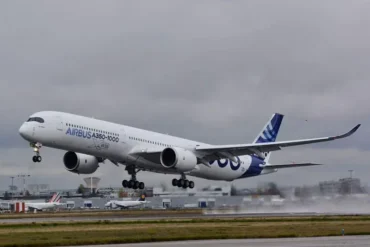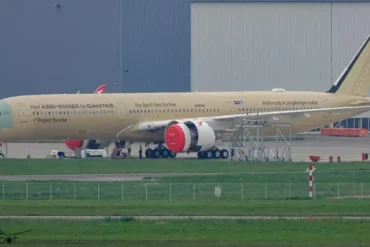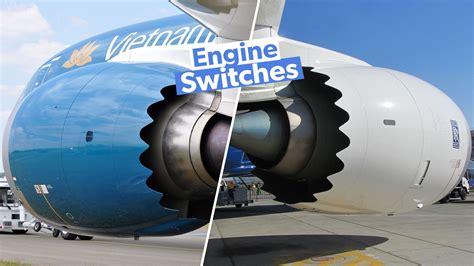
The aviation engine market has long been a battleground between industry giants Rolls-Royce and General Electric. However, in recent years, a clear trend has emerged: an increasing number of airlines are opting for General Electric’s GEnx engines over Rolls-Royce’s Trent 1000 for their Boeing 787 Dreamliners. This shift marks a significant pivot in fleet strategy among global carriers, driven by concerns over engine reliability, cost, and operational efficiency.
Reliability Troubles With the Trent 1000: A Persistent Problem
Rolls-Royce’s Trent 1000 engine was once a flagship product, powering a substantial portion of the early Boeing 787 fleet. However, it quickly became infamous for chronic reliability issues, most notably blade cracking, turbine corrosion, and compressor fatigue. These defects led to massive aircraft groundings, most severely affecting carriers like All Nippon Airways (ANA), Virgin Atlantic, and Air New Zealand.
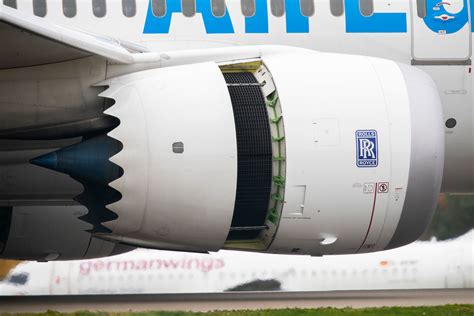
In 2017, ANA became the first to experience severe turbine blade problems, forcing the airline to cancel dozens of flights and shuffle operational resources. Virgin Atlantic followed suit, grounding aircraft and facing scheduling chaos. Rolls-Royce acknowledged the issues in its 2017 annual report, promising a redesigned solution by 2022. Yet, many airlines argue that the Trent 1000 TEN, introduced in 2016 as a fix, has failed to restore confidence in the engine’s reliability.
The Rise of the GEnx Engine: Performance and Efficiency Edge
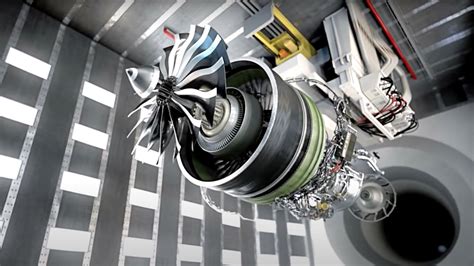
General Electric’s GEnx-1B engine has emerged as the preferred alternative for Boeing 787s, driven by its superior fuel efficiency, lower carbon emissions, and high reliability. Designed specifically with the Dreamliner’s mission in mind, the GEnx-1B features advanced materials like carbon fiber composite fan blades and a twin-annular pre-swirl combustor, which reduce NOx emissions and improve fuel burn.
The GEnx boasts fewer unscheduled engine removals, enabling airlines to maintain tighter operational schedules and reduce maintenance costs. This is particularly appealing to long-haul carriers, where even a small disruption can lead to substantial losses.
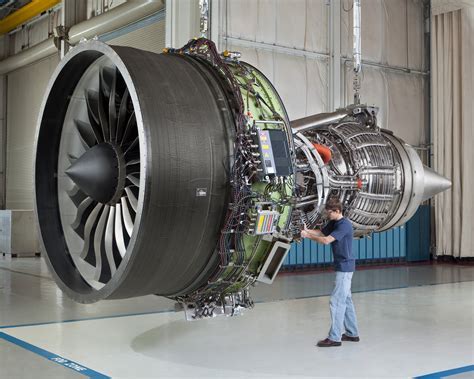
Key Technical Comparison: GEnx vs Trent 1000
| Feature | GEnx-1B | Trent 1000 |
|---|---|---|
| Fan Diameter | 111.1 in (282 cm) | 112 in (285 cm) |
| Max Thrust | 74,100 lbf (330 kN) | 59,600–81,000 lbf |
| Bypass Ratio | 9.1 | 10:1 |
| Dry Weight | 13,552 lb (6,147 kg) | 13,087–13,492 lb |
| Thrust-to-Weight Ratio | 5.47 | 6.01 |
Though the Trent 1000 holds a slightly higher maximum thrust in some variants, the GEnx’s better thrust-to-weight ratio and efficiency gains have tilted the balance in its favor, especially for airlines focused on cost per seat-mile and fleet commonality.
British Airways and ANA: Strategic Shifts in Procurement
One of the most striking signs of the shift is British Airways’ decision to transition away from Rolls-Royce. Despite a deep-rooted relationship with Rolls-Royce, BA has ordered six GEnx-powered 787s, departing from its existing fleet of 41 Trent 1000-powered Dreamliners. This move reflects a strategic realignment that prioritizes aircraft uptime and operational resilience.
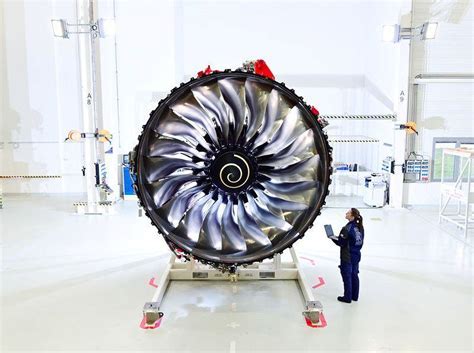
Similarly, All Nippon Airways, the original launch customer of the Boeing 787, has historically relied heavily on Trent engines, with 78 Dreamliners powered by Rolls-Royce. Yet, its latest orders for 15 GEnx-powered 787s highlight a notable pivot.
Smaller operators are also making the switch. Air Tanzania, for example, which operates a mix of Trent 1000 and GEnx Dreamliners, has selected GEnx for its new 787 order. These shifts underscore a broader industry trend fueled by pragmatic performance evaluations rather than legacy loyalties.
General Electric’s Market Dominance Extends to the 777X
The upcoming Boeing 777X program reinforces GE’s growing dominance. Unlike the 787, which offered airlines a choice between Rolls-Royce and GE, the 777X will be exclusively powered by GE’s new GE9X engine.
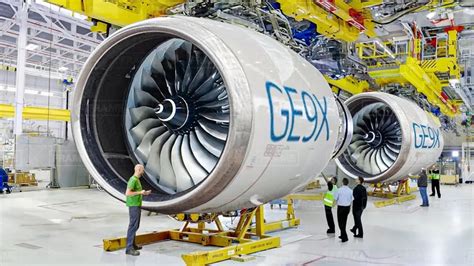
The GE9X is poised to be the largest and most powerful commercial jet engine ever built, delivering 105,000 pounds of thrust. It incorporates cutting-edge technology such as ceramic matrix composites and additive manufacturing for fuel nozzles. GE reports that the GE9X has undergone over 27,000 cycles and 17,000 hours of ground testing, including sand ingestion trials critical for desert operations.
While the 777X program has faced delays—with service entry now expected in 2026—the GE9X’s performance metrics have already impressed major carriers. GE’s ability to meet these high standards without significant reliability controversies has only boosted its standing in the widebody engine market.
Rolls-Royce’s Counteroffensive: Betting on the UltraFan
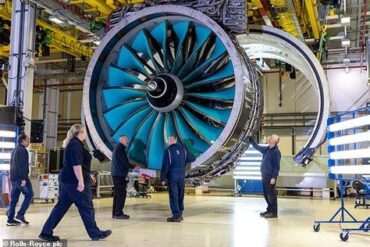
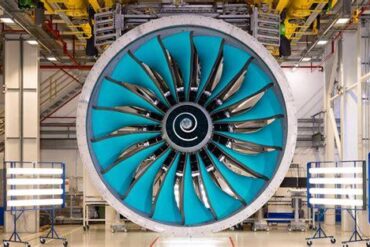
Rolls-Royce, for its part, has no intention of ceding the widebody engine market. The company is banking on the success of its next-generation UltraFan, which was successfully tested in 2023 using 100% sustainable aviation fuel (SAF).
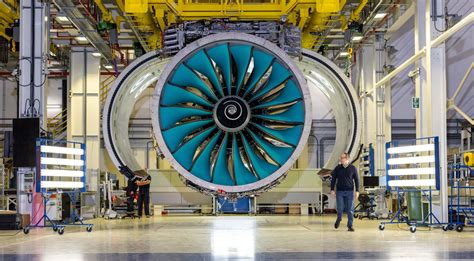
The UltraFan is projected to deliver up to 85,000 lbs of thrust, with a scalable architecture that allows it to be adapted for both narrowbody and widebody aircraft. Rolls-Royce CEO Tufan Erginbilgic has heralded the UltraFan as a “game changer” that could leapfrog current-generation engines in efficiency by up to 25%. If realized, these gains could restore Rolls-Royce’s competitive edge and give airlines new reasons to consider the manufacturer once again.
However, entry into service is still several years away, and many airlines must make fleet decisions based on present-day engine availability and reliability metrics.
Environmental Operating Challenges: GEnx Faces Its Own Tests
Despite its market favorability, the GEnx is not without limitations. One emerging concern is its performance degradation in high-temperature environments. Some Middle Eastern and African carriers have reported reduced engine performance and faster wear in harsh desert climates.
To address these concerns, GE conducted over 400 hours of ‘sandstorm’ testing in 2020, simulating Severe Operating Environments (SOE). These tests evaluated the impact of airborne sand on hot section components, revealing vulnerabilities in protective coatings and cooling pathways.
According to Shawn Pearson, GEnx Engineering Leader at GE Aerospace:
“Sand can degrade the cooling muscle in our hot section components—like combustors and turbines—creating distress in protective coatings and leading to early engine removals.”
While the company has since made design modifications and material upgrades, operators in the Middle East, North Africa, and South Asia will be watching closely to see whether these solutions stand up in real-world operational conditions.
Economic Implications: Cost of Transitioning Between Engine Makers
Switching engine suppliers is not a trivial matter. Airlines that move from Rolls-Royce to General Electric must also invest in new maintenance training, spare parts inventories, and certification programs for their ground crews. In some cases, carriers may need to revise their entire Maintenance, Repair, and Overhaul (MRO) strategies.
However, for many airlines, the long-term operational savings and improved aircraft utilization make the upfront investment worthwhile. Lower unscheduled downtime translates into higher revenue-generating flight hours, ultimately tipping the scales in GE’s favor.
Looking Ahead: Can Rolls-Royce Regain Its Foothold?
The current trend clearly favors General Electric, not only in terms of new aircraft orders but also in market perception. Airlines are prioritizing reliability and efficiency over tradition or brand loyalty. However, Rolls-Royce’s UltraFan program, if successful, could redefine the propulsion landscape within the next decade.
Until then, General Electric’s GEnx and GE9X engines appear poised to dominate, bolstered by performance, fuel savings, and consistent service records. For airlines, the engine decision is no longer just about thrust—it’s about who can keep their aircraft flying reliably, efficiently, and profitably.