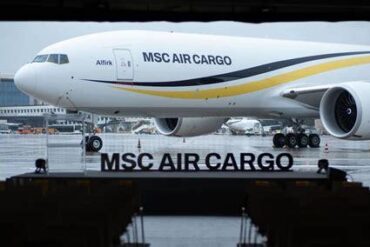
Commercial aviation is undergoing a quiet transformation that few passengers will ever notice. While airlines continue introducing new cabins, expanding routes, and ordering next-generation aircraft, another part of the industry is focused on giving older passenger jets an entirely new purpose. Across the global air cargo sector, passenger-to-freighter (P2F) conversions are becoming one of the most important sources of new freight capacity in 2026.
The concept is simple but strategically powerful. Instead of retiring passenger aircraft after 15 or 20 years of service, airlines, leasing companies, and cargo operators are converting these airframes into dedicated freighters. The process creates aircraft capable of carrying large volumes of goods while avoiding the enormous cost and lengthy waiting periods associated with factory-built cargo jets.
Although new-build freighters often attract attention because of their advanced technology and headline-making orders, converted aircraft are providing the majority of practical capacity growth entering the market. The reason is economic reality. Global logistics companies need more aircraft quickly, and P2F conversions offer a faster and cheaper solution than waiting years for new production slots.
Why The Air Cargo Industry Is Turning To Passenger Aircraft Conversions
The rapid growth of international e-commerce has fundamentally changed the way goods move around the world. Traditional air freight was historically dominated by heavy industrial shipments, consolidated cargo pallets, and scheduled logistics between major hubs. Today, a significant portion of demand comes from online retail networks that require faster, more flexible transportation systems.
Companies involved in express delivery and cross-border commerce increasingly need aircraft that can operate frequent routes between smaller markets. Passenger aircraft belly cargo provides useful capacity, but it has important limitations. The schedules are designed around travelers rather than supply chains, meaning departure times and destinations are not always aligned with freight demand.
The problem becomes even clearer when looking at modern e-commerce cargo. Many consumer shipments are lightweight but occupy substantial space. A shipment of clothing, electronics accessories, or small household products may reach the available volume limit of an aircraft before reaching its maximum weight capability.
Dedicated freighters solve this problem by providing a large, unobstructed main deck designed specifically for cargo pallets and containers. Converted aircraft allow operators to transform retired passenger fleets into logistics assets capable of handling these changing freight patterns.
According to long-term industry projections, global air cargo demand will require thousands of additional freighters over the coming decades. Converted passenger aircraft are expected to represent a major share of this growth because they provide a practical bridge between today’s fleet shortages and tomorrow’s demand.
The Complex Engineering Behind Passenger-To-Freighter Conversion Programs
Turning a passenger aircraft into a cargo aircraft is far more complicated than simply removing seats. A successful P2F conversion requires extensive structural modification, engineering analysis, and regulatory approval through a Supplemental Type Certificate (STC).
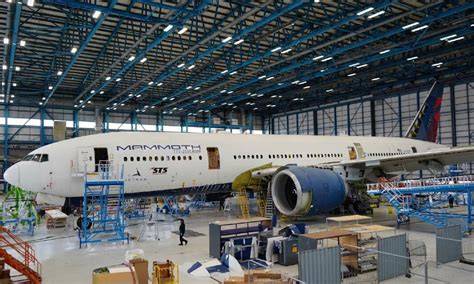
The first stage involves completely removing the passenger interior. Seats, overhead bins, galleys, lavatories, and cabin fittings are stripped away until technicians reach the basic aircraft structure. The former passenger cabin must then be redesigned around cargo operations.
Windows are typically replaced with lightweight aluminum plugs to restore structural integrity and improve insulation. The cabin floor must also be reinforced because cargo pallets create concentrated loads that are very different from the distributed weight of passengers.
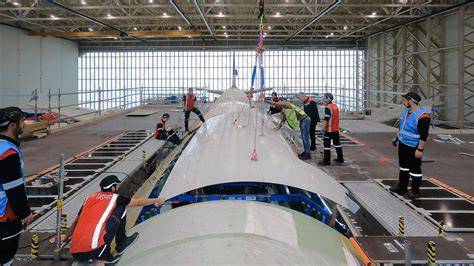
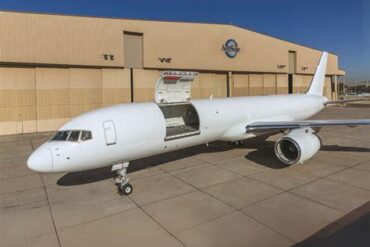
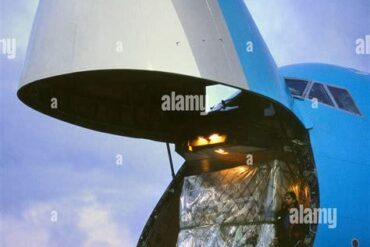
The most visible modification is the installation of a large main deck cargo door. Engineers cut a significant opening into the aircraft fuselage, sometimes measuring more than 140 inches wide, to allow large freight containers and pallets to enter.
This operation requires extraordinary precision. Temporary support structures are installed during the modification process to prevent fuselage deformation. After reinforcement frames are installed, the new cargo door becomes an integrated part of the aircraft structure.
Another critical addition is the installation of a rigid barrier wall behind the cockpit. This 9G cargo barrier protects flight crews by preventing unsecured freight from moving forward during sudden deceleration events.
Inside the cargo deck, powered loading systems replace passenger cabin equipment. Roller tracks, guide rails, and powered drive systems allow ground crews to move heavy containers efficiently. These improvements reduce loading times and make converted freighters suitable for high-frequency cargo operations.
The aircraft’s systems must also be adapted. Engineers modify flight control software, adjust weight and balance calculations, relocate wiring systems, and upgrade environmental controls. Cargo aircraft carrying pharmaceuticals, electronics, and temperature-sensitive products require precise climate management throughout long-distance flights.
Boeing 737-800BCF And Airbus A321P2F Lead The Narrowbody Market
The narrowbody conversion market represents one of the most active areas of air cargo growth. These aircraft are particularly valuable for regional express networks, domestic logistics, and short-haul e-commerce operations.
For many years, the Boeing 737-800BCF dominated the market. Its strong reliability, global maintenance network, and widespread availability made it a natural choice for cargo operators.
However, the arrival of the Airbus A321P2F has created new competition. The aircraft offers a larger fuselage and significantly greater cargo volume compared with traditional narrowbody freighters.
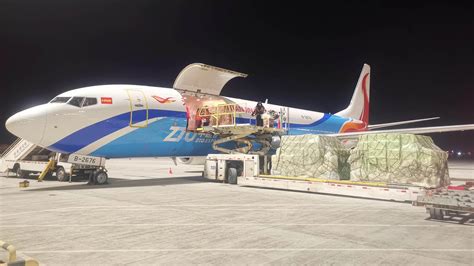
The difference is especially important because modern freight demand is often limited by volume rather than weight. The A321P2F provides approximately 28% more usable cargo volume than the 737-800BCF, allowing operators to carry more lightweight packages before reaching structural limits.
The Airbus aircraft also provides an advantage through lower deck container capability. Unlike the 737-800BCF, which relies heavily on bulk loading in its lower holds, the A321P2F can accommodate standard cargo containers beneath the main deck.
This reduces ground handling time and improves operational efficiency at busy airports. For express carriers operating multiple daily flights, faster turnaround times can significantly improve aircraft utilization.
However, the narrowbody conversion market faces temporary supply challenges in 2026. Passenger airlines are keeping aircraft longer because of delivery delays affecting new jets and ongoing engine maintenance constraints. As a result, fewer affordable donor aircraft are becoming available for conversion.
Widebody Passenger-To-Freighter Conversions Are Reshaping Long-Haul Cargo
While narrowbody freighters dominate regional networks, global trade requires larger aircraft capable of crossing oceans with significant payloads. This is where widebody P2F conversions are becoming increasingly important.
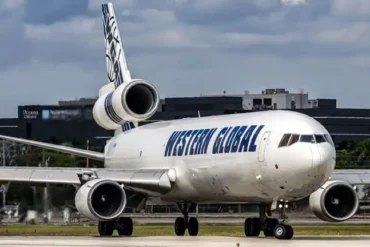
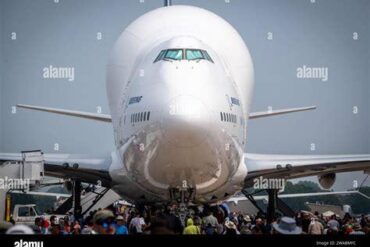
Historically, long-haul cargo operations depended heavily on aircraft such as the Boeing 747 freighter and other large four-engine platforms. However, rising fuel costs, environmental pressures, and aging fleets have accelerated the retirement of these aircraft.
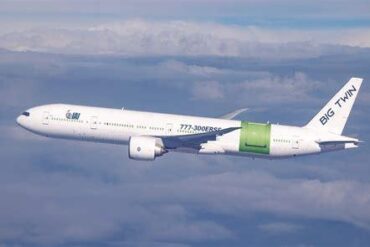
The industry is now moving toward efficient twin-engine widebody conversions. Aircraft such as the Airbus A330-300P2F, Boeing 767-300BCF, Boeing 777-200LR conversions, and Boeing 777-300ERSF are becoming essential parts of the cargo fleet.
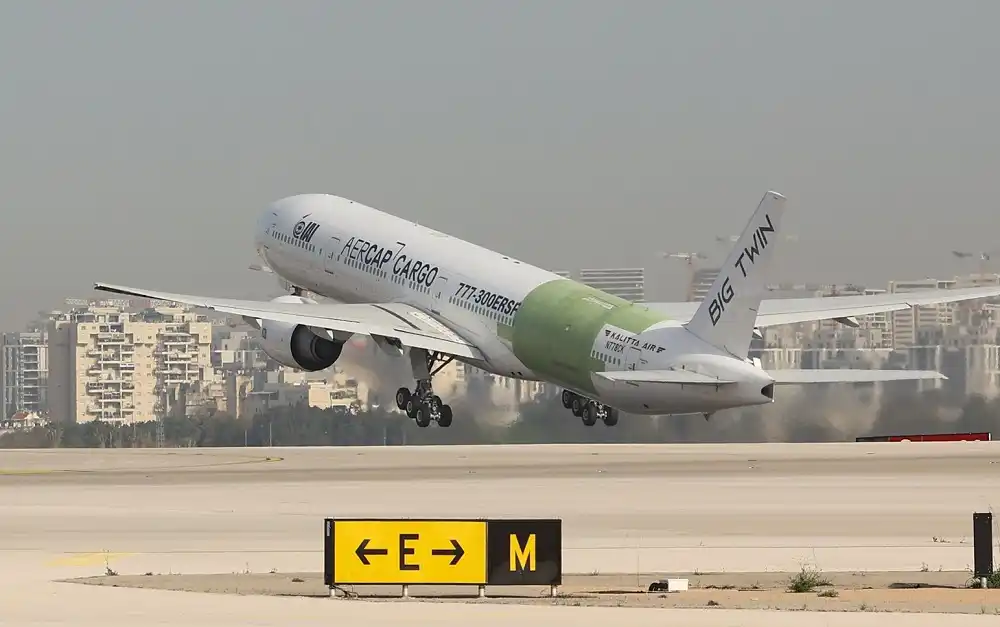
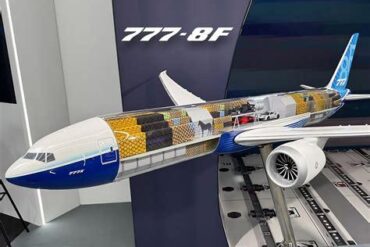
The converted Boeing 777 freighter represents a significant technological shift. These aircraft provide large cargo capacity while benefiting from modern twin-engine efficiency. Compared with older four-engine freighters, they offer lower operating costs and better fuel efficiency.
The 777-300ERSF conversion, developed through programs including those led by Israel Aerospace Industries and other conversion specialists, allows operators to carry substantial main deck cargo volumes while maintaining strong economics.
For airlines already operating passenger 777 fleets, the advantages are even greater. Existing infrastructure, pilot experience, spare parts availability, and maintenance knowledge create significant operational commonality.
This makes converted widebody aircraft particularly attractive for cargo operators replacing older jumbo freighters while avoiding the cost of purchasing entirely new aircraft.
Why Buying Converted Freighters Often Makes More Financial Sense
For cargo airlines, fleet decisions are ultimately driven by economics. A new factory-built freighter can provide excellent efficiency, but the acquisition cost can be extremely high.
Modern production freighters often require investments exceeding hundreds of millions of dollars, while delivery slots may be unavailable for years. In contrast, passenger aircraft conversions allow operators to acquire existing airframes at much lower costs.
A used narrowbody passenger aircraft may cost a fraction of a new freighter before conversion. After structural modifications, inspections, and STC work, operators can still obtain a dedicated cargo aircraft at a significantly reduced capital investment.
For example, converting an older Airbus A321 or Boeing 737-800 may result in a total investment in the tens of millions of dollars rather than the much higher cost of a new aircraft.
Widebody conversions follow the same principle. Although aircraft such as the Boeing 777 require more extensive work, they remain considerably cheaper than purchasing new large freighters.
This financial flexibility is especially valuable in an unpredictable cargo market. When freight demand decreases, operators with converted aircraft face lower financial pressure because their monthly ownership costs are generally smaller.
Aircraft lessors also benefit because conversion programs extend the commercial life of passenger aircraft. Instead of becoming obsolete after airline service, these airframes can generate revenue for another 15 to 20 years as cargo aircraft.
Conversion Capacity Has Become The New Industry Bottleneck
Despite strong demand, passenger-to-freighter conversions are not unlimited. The industry faces significant challenges involving maintenance capacity, skilled labor shortages, and available conversion slots.
Large aircraft conversion projects require specialized Maintenance, Repair, and Overhaul (MRO) facilities. Widebody aircraft with wingspans exceeding 200 feet require enormous hangars, advanced equipment, and highly trained technicians.
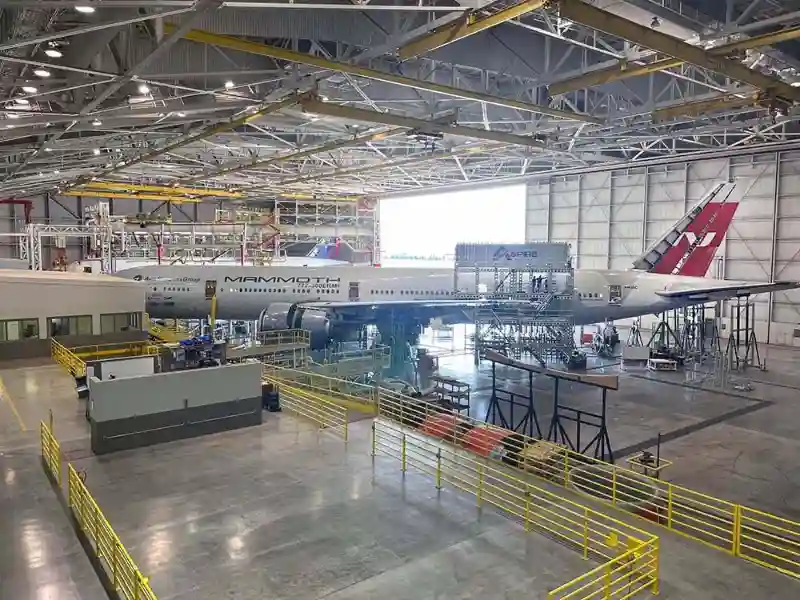
As demand increases, conversion providers must carefully manage production schedules. Operators and lessors are increasingly reserving conversion positions years in advance to secure future capacity.
The quality of donor aircraft has also become a major consideration. Not every retired passenger jet is suitable for conversion. Maintenance history, remaining structural life, engine condition, and future operating economics all influence whether an aircraft is worth transforming.
This has created a more disciplined market compared with the rapid expansion seen after the pandemic cargo boom. Companies are now selecting aircraft based on long-term value rather than simply acquiring available airframes.
The Long-Term Role Of P2F Aircraft In Global Logistics
The passenger-to-freighter industry represents more than a temporary solution to cargo demand. It reflects a broader shift toward a circular aviation economy where aircraft are reused, upgraded, and extended beyond their original missions.
As airlines continue receiving new passenger aircraft, older models will continue entering conversion pipelines. These aircraft provide cargo operators with affordable capacity while supporting global trade networks that increasingly depend on fast delivery.
The growth of passenger-to-freighter conversions in 2026 shows that the future of air cargo will not rely only on brand-new aircraft. Instead, the industry will combine advanced factory-built freighters with carefully engineered conversions that maximize the value of existing fleets.
Behind the scenes, thousands of retired passenger aircraft are preparing for second careers. They are no longer carrying vacationers and business travelers, but they remain essential to the movement of medicine, electronics, consumer products, and global commerce.
The P2F boom may be quiet, but its impact on worldwide logistics is becoming impossible to ignore.