Delta Air Lines has officially pulled back the curtain on the most ambitious premium cabin overhaul in its modern history, introducing a reimagined Delta One experience that reshapes dining, beverage service, amenities, and in-flight hospitality across its international network. The announcement, made on Wednesday, marks the carrier’s most extensive business-class refresh in nearly three decades and signals a deliberate escalation in the battle for high-value international travelers. Rather than treating the cabin as a seat-and-screen proposition, Delta is positioning the entire journey — from the moment a passenger settles in to the final approach — as a designed experience. The first taste of this new era arrives on transoceanic Delta One flights departing Los Angeles International Airport (LAX) this fall, with a phased global expansion beginning in early 2027. The scope of the program reaches far beyond soft product touches, sitting alongside a fleet modernization effort exceeding $1 billion and a broad expansion of the airline’s exclusive lounge network.
Delta One’s Culinary Program Centers on Elevating Familiar Favorites
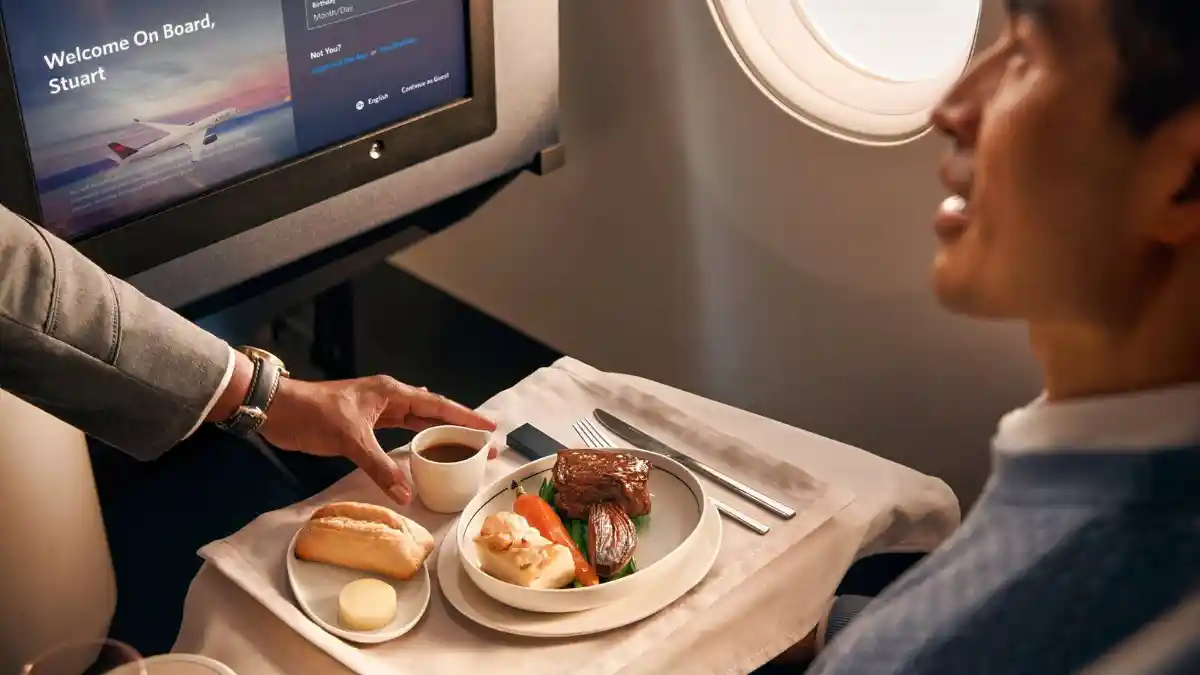
At the core of the redesign is a culinary philosophy built around refinement rather than novelty. Delta worked with chefs Simon Hulstone, Norio Ueno, and Jereme Leung to develop a menu that leans into dishes passengers already recognize, executed with greater precision. The lineup includes a Wagyu beef burger dressed with caramelized onions, cheddar, cornichons, and a brioche bun, alongside roasted sea bass in a tomato-tarragon sauce with asparagus and mashed potatoes, braised lamb with red wine demi-glace and lyonnaise potatoes, beef short rib, and a seasonal risotto. A Japanese-style salmon with ginger-soy sauce, eggplant, and mushrooms is slated for US–Haneda routes in February 2027.
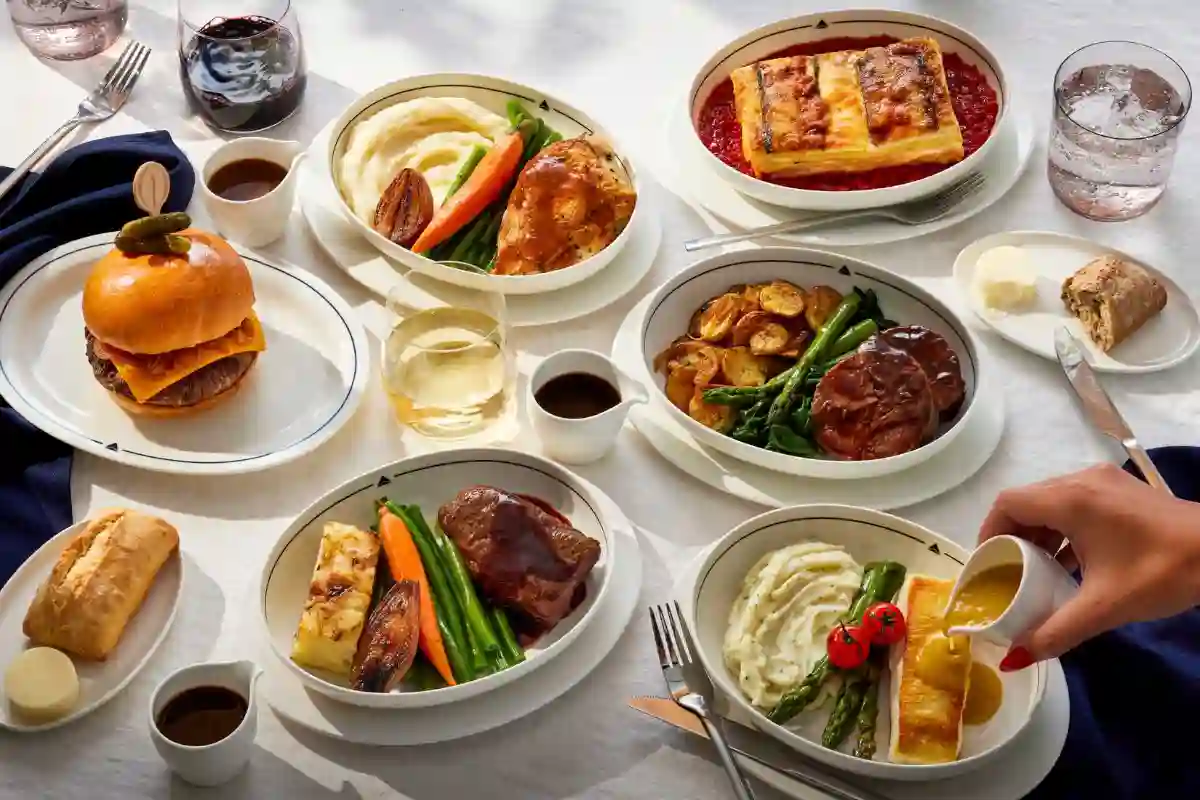
The operational scale behind these dishes is substantial. Delta produces eight million Delta One meals annually across 50 international kitchens, and the new program incorporates more than 700 ingredients — a supply-chain undertaking that must function identically whether a flight departs Atlanta, Detroit, or Los Angeles. The menu will roll out in phases beginning in fall 2026 rather than in a single switchover, giving catering partners and cabin crews room to absorb new procedures.
Beverage Upgrades Bring Airline Firsts and a Rebuilt Wine List
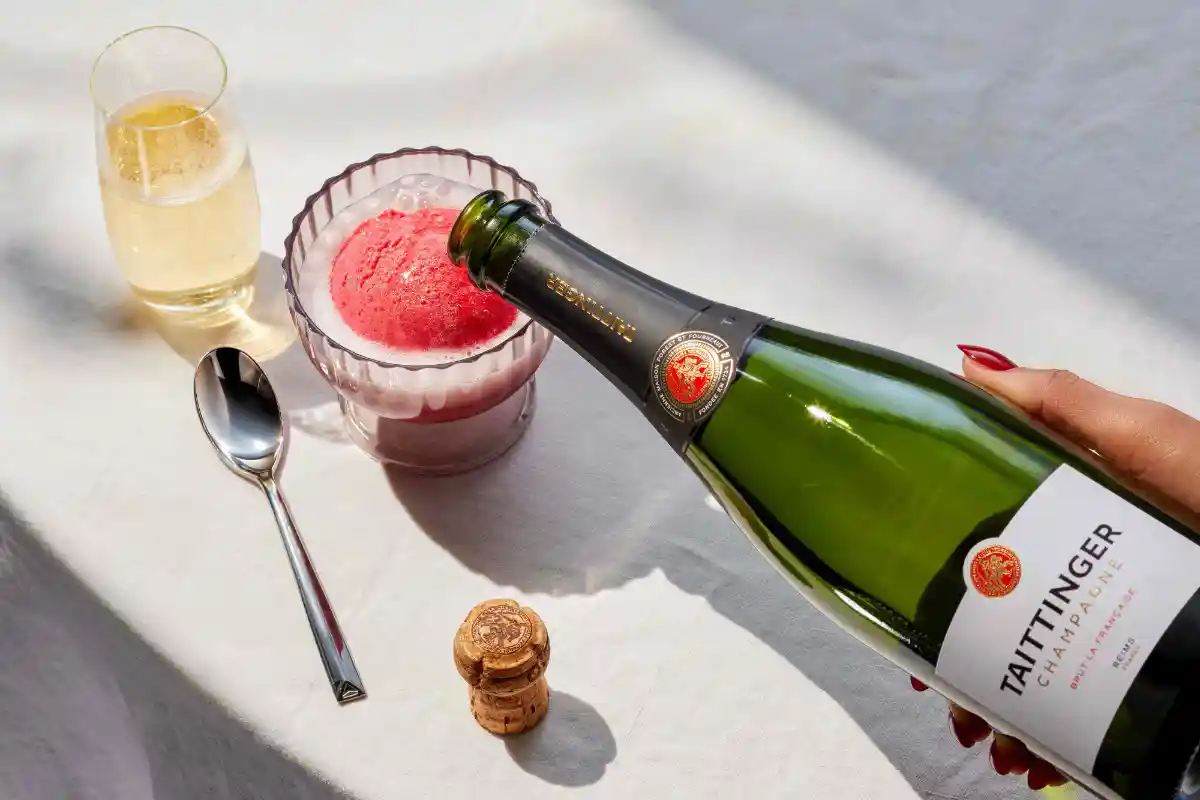
Beverages receive equal attention, with Delta becoming the first airline to serve Blanton’s Single Barrel Bourbon, arriving December 1, 2026. Dassai 45 sake will debut on services to Tokyo Haneda Airport (HND) on November 3, a natural pairing with the Japanese-inspired entrée that follows months later. A redesigned wine program developed with Master Sommelier Andrea Robinson narrows more than 1,600 evaluated wines into 13 premium selections from 11 wineries, rolling through an annual selection cycle from October 2026 to September 2027. Champagne Taittinger expands to domestic Delta One flights, while new Hugo Spritz and Paloma cocktails and mocktails arrive in 2027 — on international routes in March and domestic routes in April.
Tableside Hospitality and Personalized Service Redefine the Cabin
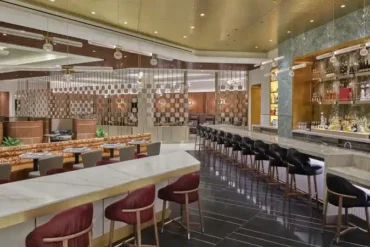
Service mechanics are changing as much as the menu itself. Delta is introducing redesigned tableware, freshly cracked pepper, tableside sauces, and an upgraded dessert cart with premium sundae toppings and a dairy-free Champagne sorbet float. The airline’s existing Los Angeles Delta One Lounge already demonstrates what personalized, restaurant-style service looks like on the ground; the open question is whether that standard can be replicated consistently across thousands of international departures. Ranjan Goswami, Delta’s chief marketing and product officer, frames the investment as intentional: the reimagined experience is rooted in solving real customer needs and desires, with deliberate investment aimed at delivering the industry’s most premium end-to-end travel experience while giving customers greater control throughout their journey.
That control extends into how passengers structure their time on board. Entrées can now be preselected up to 18 hours before departure, six hours earlier than previously allowed. Expanded options include gluten-free and lighter meals, and travelers who prioritize sleep can skip the full breakfast service in favor of coffee and a croissant before landing. A new “sip and settle” service pairs a hot towel, warm nuts, and a preferred beverage without interrupting passengers unnecessarily.
Amenity Kits, Sleep Comfort, and the Missoni Partnership
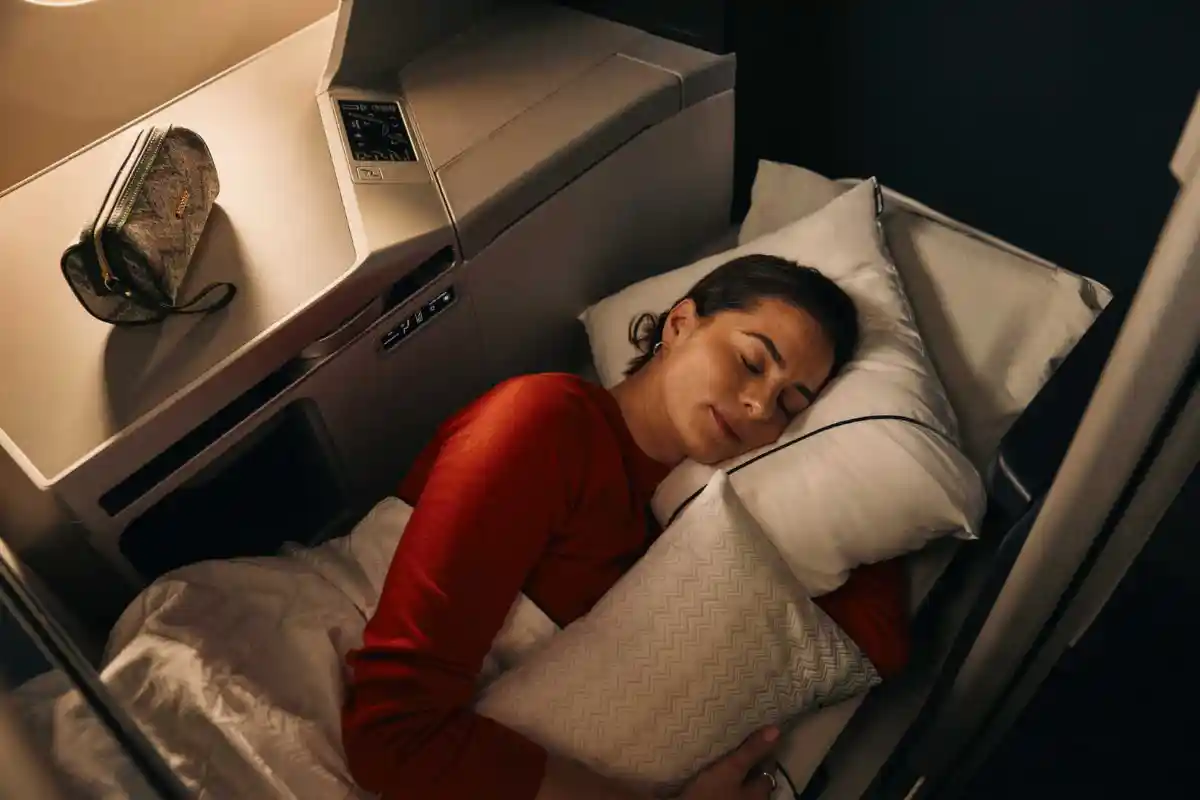
Delta is refreshing its collaboration with Italian fashion house Missoni. New Winter Elsewhere amenity kits debut on November 3 with Grown Alchemist skincare, Marvis dental products, and other essentials. A new Missoni Mini pillow will eventually replace the existing cuddle pillow across transoceanic routes, while Bombas socks return on selected flights. These additions build on earlier Missoni-branded bedding and premium amenity investments, reflecting how central sleep quality has become to business-class competition.
Fourteen Months of Crew Testing Shaped More Than Sixty New Tableware Pieces
Before Wednesday’s announcement, Delta gathered insights from thousands of Delta One customers and ran extensive internal testing. More than 200 flight attendants and employees contributed feedback over 14 months, including 36 dedicated trial flights and more than 200 individual submissions. Their recommendations shaped over 60 new tableware pieces, adjustments to meal presentation and cabin service, and the rollout strategy itself. That progressive approach through 2027 allows crews to adapt to updated procedures rather than confronting an entirely new service standard overnight.
The A350-1000 Arrives as Delta’s New Flagship
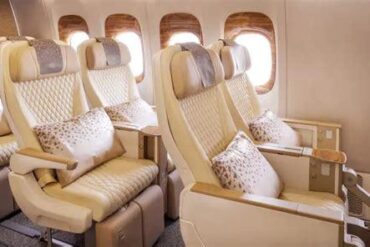
The revamped service is well timed to the arrival of Delta’s new flagship Airbus A350-1000, scheduled to join the fleet in early 2027. Its Delta One suites feature lie-flat beds more than three inches longer than current versions, 24-inch entertainment screens, wireless charging, and improved storage. More than 35,000 engineering hours went into the suite program, involving over 50 suppliers in 15 countries. Older A330-200s and A330-300s will receive suites with privacy doors, supporting Delta’s goal of 90% enclosed Delta One seats by 2030.
Lounges, Porsche Transfers, and the Financial Case for Premium
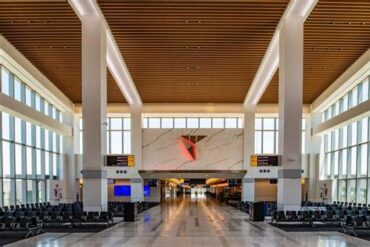
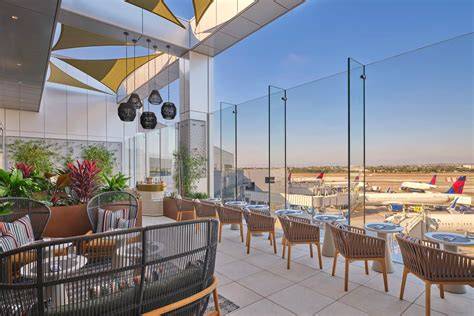
The transformation reaches beyond the aircraft. Delta now operates dedicated Delta One Lounges at LAX, John F. Kennedy International Airport (JFK), Boston Logan International Airport (BOS), and Seattle-Tacoma International Airport (SEA), while nearly 1,300 aircraft carry Delta Sync WiFi. Its ground transportation partnership with Porsche expands from 40 to 70 hybrid vehicles across 15 airports and hubs by 2028, though Delta One passengers must book VIP Select to access the Porsche service. The investment reinforces Delta’s focus on higher-paying travelers even as new Basic Business fares separate onboard luxury from certain ground benefits.
The financial justification is increasingly clear. Delta’s third-quarter 2026 results show premium ticket revenue reached $6.82 billion, narrowly surpassing main-cabin ticket revenue of $6.80 billion. Premium revenue rose 18% year over year against 12% for the main cabin. That multiyear shift toward higher-value travel explains continued investment despite rising fuel costs. As American Airlines and United Airlines introduce their own upgraded premium cabins, Delta is betting that superior hospitality will matter as much as the hardware itself — and the next two years will determine whether that bet pays off.