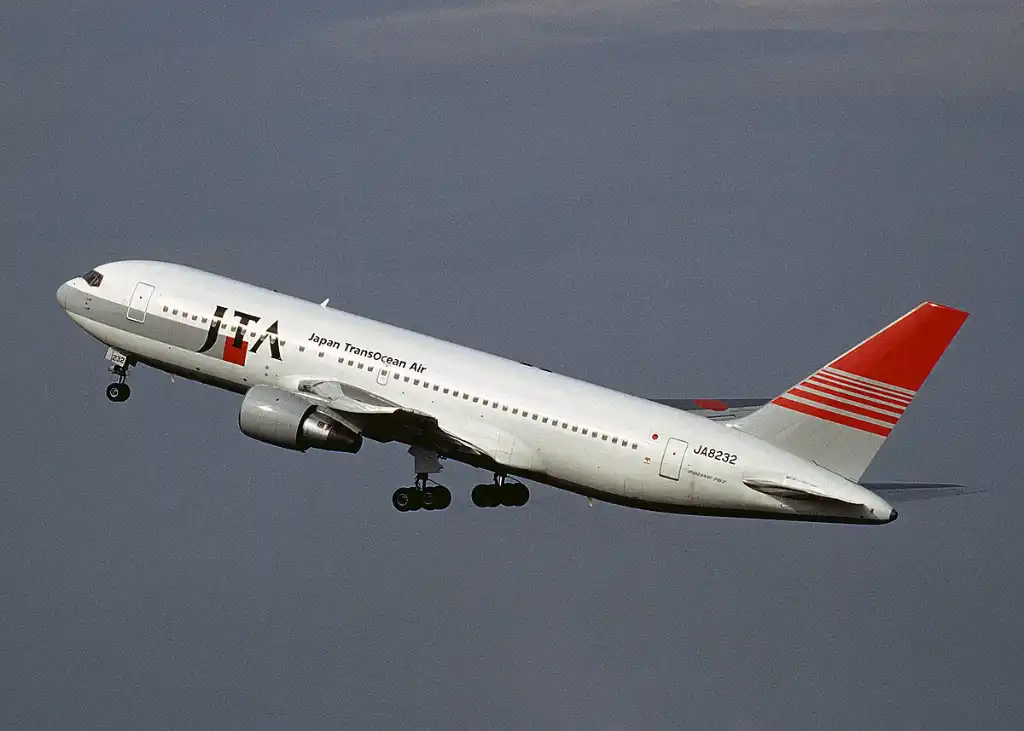
The transformation of transoceanic flying owes a profound debt to the Boeing 767, a widebody aircraft that revolutionized long-haul operations by becoming the vanguard of ETOPS-certified twin-engine aviation. In the early 1980s, when three- and four-engine jets still dominated intercontinental routes, the 767 shattered norms with its efficiency, reliability, and versatility—qualities that led to the eventual dismantling of long-held regulatory restrictions and a reimagining of global air travel.
Early Constraints on Twin-Engine Aircraft
At the dawn of the jet age, regulatory authorities, wary of engine failures over vast oceanic expanses, confined twin-engine aircraft to routes within 60 minutes of a suitable diversion airport. This baseline extended to 90 minutes by the mid-1970s for a few select aircraft like the Airbus A300, but the overarching constraint remained: long overwater flights were deemed too risky for twinjets. As a result, airlines were forced to rely on less economical tri- and quad-engine aircraft such as the Boeing 747 and DC-10, which were permitted to venture far from land.
This approach inflated operational costs, limited route flexibility, and throttled the potential of more efficient aircraft. Airlines were tethered to circuitous flight paths, consumed more fuel, and required costly backup aircraft and crews. These constraints would hold until technological advancements in engine reliability, airframe design, and onboard systems paved the way for a new paradigm.
The Boeing 767: The First Real ETOPS Workhorse
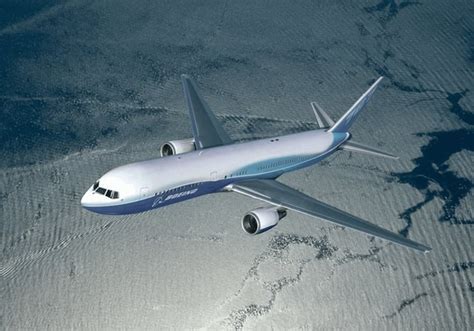
When Boeing launched the 767 program, it was not merely to build a new aircraft but to challenge the fundamental assumptions of transoceanic flight. Introduced in 1982, the Boeing 767-200 embodied innovation: twin high-bypass turbofan engines, fly-by-wire systems, and advanced avionics. It also benefited from redundant systems architecture, allowing critical components like hydraulics and electronics to be backed up independently—a vital feature for overwater flight.
The 767’s design incorporated General Electric CF6, Pratt & Whitney PW4000, and Rolls-Royce RB211 engine options, each boasting unprecedented reliability metrics. Boeing collaborated with airlines to build a comprehensive reliability profile. This rigorous data collection became instrumental in pushing regulators to consider Extended-range Twin-engine Operational Performance Standards (ETOPS) approvals.
The First Step: 120-Minute ETOPS Approval
In a landmark move, the Federal Aviation Administration (FAA) granted the 767 a 120-minute ETOPS certification in 1985. For the first time, a twin-engine aircraft was allowed to fly routes up to two hours away from the nearest suitable diversion airport. This breakthrough had seismic implications: airlines could now operate transatlantic flights with the more fuel-efficient 767, bypassing traditional dependency on four-engine aircraft.
However, this privilege came with strict conditions. Airlines had to:
- Implement comprehensive maintenance and inspection programs.
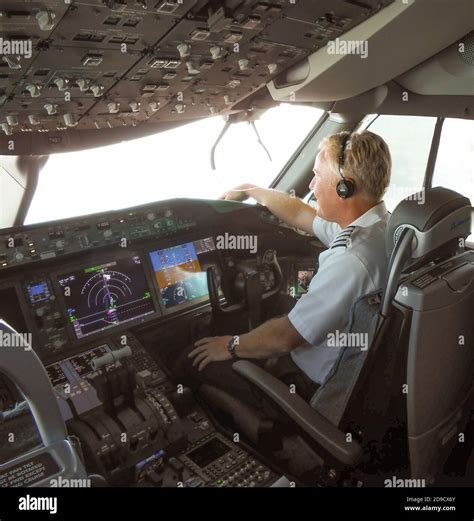
- Conduct specialized crew training, emphasizing ETOPS scenarios.
- Maintain rigorous in-flight monitoring and contingency planning.
These requirements underscored that ETOPS was not just a regulatory relaxation but an entirely new operational philosophy rooted in safety, discipline, and technical oversight. Every aspect—from engine health monitoring to weather routing—had to align with a new gold standard of risk mitigation.
Rise to 180-Minute ETOPS and Global Reach
The success of the 120-minute operations emboldened both airlines and regulators. By 1989, select Boeing 767 variants began receiving 180-minute ETOPS certification, which became more widespread by 1993. This allowed twin-engine aircraft to access virtually every long-haul route on the planet, including deep-ocean transpacific flights.
Now capable of flying three hours away from a diversion airport, the 767 unlocked vast new route possibilities:
- Direct city-pairs that bypassed congested hubs.
- Efficient nonstop routes to emerging markets.
- Reduced fuel burn and minimized environmental impact.
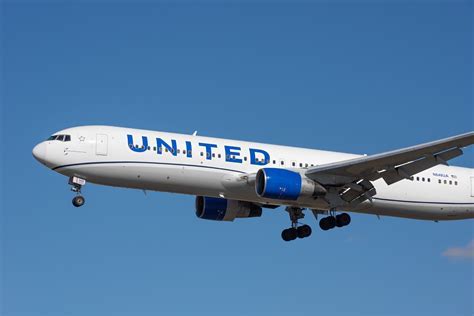
This leap also transformed the competitive landscape. With 180-minute ETOPS, twinjets could rival jumbo jets in reach without the excessive operational overhead. Airlines could match demand with right-sized aircraft, allowing more point-to-point travel and dismantling the hub-and-spoke hegemony.
How ETOPS Transformed Airline Economics
The arrival of ETOPS wasn’t just a technical achievement; it redefined airline economics. With the Boeing 767 leading the charge, carriers could optimize:
- Fuel efficiency: Fewer engines meant less fuel and lower emissions.
- Maintenance: Twin-engine aircraft required fewer inspections and parts than tri- or quad-engine planes.
- Crew utilization: Reduced crew size and simpler logistics improved cost efficiency.
- Fleet flexibility: Airlines could deploy the same aircraft on both medium- and long-haul routes.
This shift made it possible to open new markets, connect secondary cities, and improve frequency on thin routes. The 767’s impact was most acutely felt in transatlantic services, where U.S. and European carriers quickly adopted the aircraft for nonstop flights between mid-tier cities, enabling a more diverse and competitive route network.
The Data-Driven Culture Behind ETOPS Success
A key facet of ETOPS success was the cultural and procedural transformation it demanded. Airlines had to move toward proactive maintenance, data analytics, and systemic reliability tracking. ETOPS demanded confidence in every phase of flight:
- Real-time engine performance monitoring.
- Predictive analytics to catch faults before failure.
- Strict documentation and oversight.
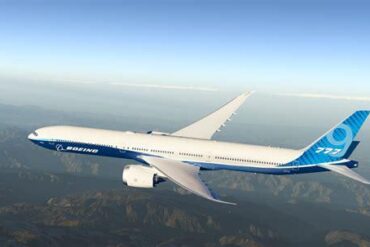
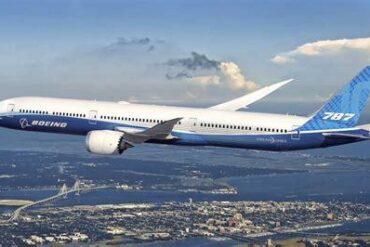
This high-reliability model informed the design of next-generation aircraft like the Boeing 777, 787, and Airbus A330/A350, which were ETOPS-ready from inception. These aircraft inherited and expanded upon the 767’s legacy, offering even greater range with fewer engines, enabling routes once considered unreachable.
Legacy of the Boeing 767 in ETOPS Evolution
The Boeing 767’s success with ETOPS didn’t just influence future aircraft—it rewrote the rulebook for commercial aviation. As of today, ETOPS ratings reach as high as 370 minutes, with the Airbus A350 capable of flying over six hours from a diversion airport.
But the foundations of this capability were laid by the 767. Its contributions include:
- Demonstrating twinjet viability for overwater and polar flights.
- Providing a reliability benchmark that reshaped aircraft certification.
- Validating the economic superiority of twin-engine aircraft in long-haul markets.
Even today, the Boeing 767 remains in active production for cargo and military variants, including the KC-46 Pegasus tanker. Its enduring presence in global aviation underscores the robustness of its design and the monumental shift it initiated.
Final Thoughts: A Catalyst for Modern Aviation
The Boeing 767’s role in transforming transoceanic flight is both foundational and enduring. By enabling twin-engine aircraft to safely traverse oceans and remote territories, it set a new standard for what was operationally possible. It proved that safety, efficiency, and range were not mutually exclusive.
In doing so, it redefined the commercial aviation industry, catalyzed the shift toward leaner, more flexible fleets, and empowered airlines to rethink route strategies and cost structures. Its impact reverberates through every long-haul aircraft flying today, making the 767 not just a pioneering aircraft—but a permanent fixture in the story of global aviation progress.