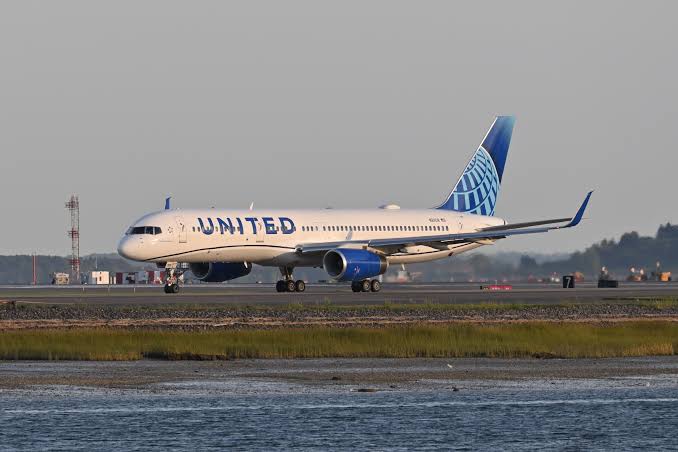
The Boeing 757 occupies a unique place in commercial aviation history. While it was conceived as a fuel-efficient successor to the Boeing 727, it ultimately became something far more significant. It evolved into an aircraft capable of connecting cities across the Atlantic with an efficiency that no previous narrowbody had achieved. Even decades after production ended, airlines continue searching for an aircraft capable of replicating its remarkable blend of range, payload, runway performance, and operating economics.
Unlike larger twin-aisle aircraft designed for high-capacity international routes, the 757 excelled where passenger demand was substantial but not large enough to justify operating widebody aircraft. This allowed airlines to launch profitable nonstop services between secondary North American and European cities, fundamentally changing route planning and giving travelers more direct international connections than ever before.
The aircraft’s success was never the result of a single innovation. Instead, it emerged from a carefully balanced combination of advanced aerodynamics, exceptionally powerful engines, regulatory changes, and airline economics. Together, these characteristics made the Boeing 757 one of the only narrowbody aircraft capable of regularly flying certain transatlantic routes for decades.
The result was an airplane that became legendary among pilots, airlines, and aviation enthusiasts alike—not because it was the largest or fastest, but because it consistently accomplished missions that few aircraft of its size could match.
From Boeing 727 Replacement To Aviation Icon
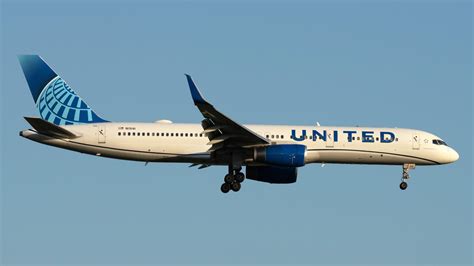
During the 1970s, airlines faced rapidly increasing fuel prices while passenger traffic continued to grow. Boeing recognized that operators needed an aircraft capable of carrying more passengers than the aging Boeing 727 while significantly reducing operating costs.
The answer became the Boeing 757.
Introduced into commercial service with Eastern Air Lines on January 1, 1983, the aircraft retained the familiar six-abreast cabin layout that passengers already knew while introducing an entirely new level of performance. Airlines could transport roughly 200 to 260 passengers, depending on cabin configuration, with dramatically lower fuel consumption than previous trijet designs.
Although the 757 was initially intended primarily for domestic operations, airlines quickly realized it possessed capabilities extending far beyond its original mission. Its combination of long range, excellent climb performance, and relatively modest seating capacity opened opportunities that previously required much larger aircraft.
Production ultimately continued until 2004, with 1,050 aircraft delivered, including 913 Boeing 757-200s and 137 Boeing 757-300s. While production numbers were modest compared with aircraft like the Boeing 737, the 757’s operational impact was disproportionately large.
Rather than competing directly with other narrowbody aircraft, the 757 effectively created an entirely new category of airline operations.
The Wing Design That Made Long Flights Possible
One of the greatest engineering achievements behind the Boeing 757 was its highly optimized wing.
Aircraft wings must satisfy conflicting objectives. During takeoff and landing, they must generate enormous amounts of lift at relatively slow speeds. During cruise, however, they must minimize drag to maximize fuel efficiency while flying near the speed of sound.
Boeing’s engineers managed to accomplish both.
The 757 received a 25-degree swept supercritical wing featuring approximately 2,000 square feet of wing area, combined with a five-degree dihedral angle for enhanced stability. The supercritical airfoil featured a flatter upper surface and carefully designed aft camber, reducing shockwave formation during high-speed cruise.
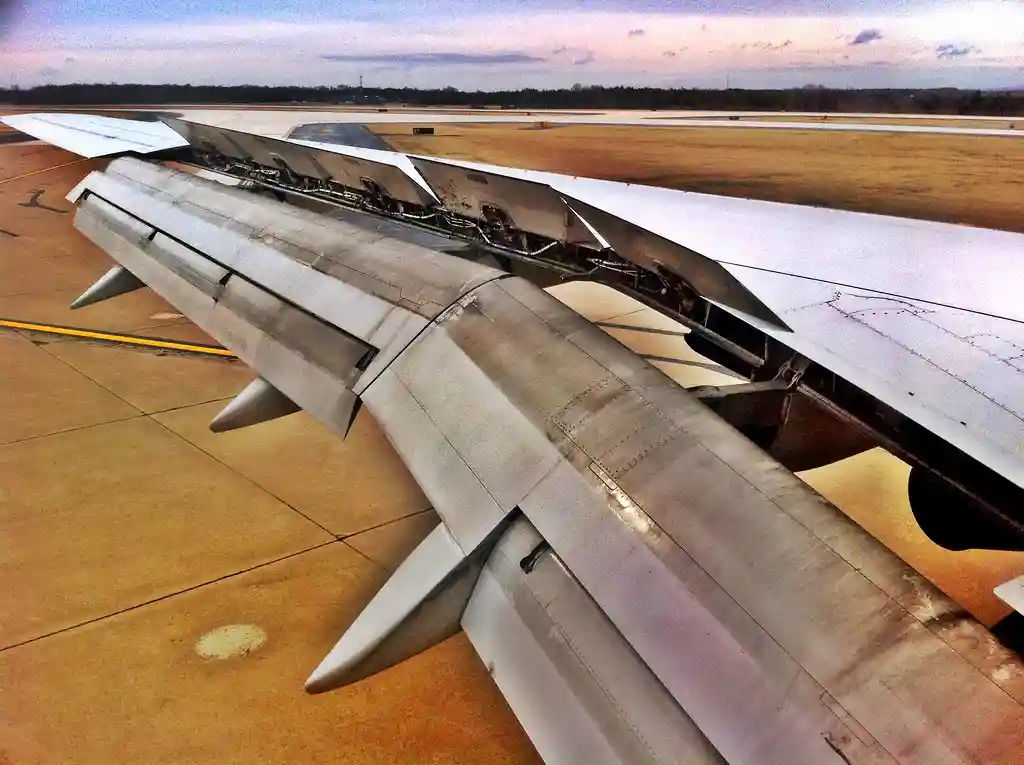
Instead of sacrificing low-speed performance, Boeing equipped the aircraft with full-span leading-edge slats and double-slotted trailing-edge flaps. These sophisticated high-lift devices dramatically increased lift during takeoff and landing while allowing the clean wing to remain exceptionally efficient once retracted.
This aerodynamic balance delivered several important operational advantages.
The aircraft cruised efficiently at approximately Mach 0.80, reducing fuel consumption across long sectors while maintaining competitive travel times. Simultaneously, its outstanding low-speed lift characteristics enabled operations from airports with shorter runways that would challenge many competing aircraft.
For airlines, this translated into route flexibility. Airports previously considered unsuitable for medium-haul operations suddenly became viable destinations.
Exceptional Engine Power Set The 757 Apart
While the wing received much of the engineering attention, the engines truly transformed the 757 into an aviation powerhouse.
Customers could select either the Rolls-Royce RB211 family or the Pratt & Whitney PW2000 series. Both engine options produced between 36,600 and 43,500 pounds of thrust, substantially more power than typically found on narrowbody aircraft.
This enormous thrust reserve became one of the airplane’s defining characteristics.
Unlike many single-aisle aircraft that struggle when departing with maximum fuel loads, the 757 routinely operated near its maximum takeoff weight while maintaining excellent climb performance. Pilots frequently praised its remarkable acceleration and steep climb capability, particularly when departing airports with terrain restrictions or short runways.
The extra thrust also allowed the aircraft to reach efficient cruising altitudes more quickly. Spending less time climbing translated directly into lower fuel burn and reduced operating costs over long distances.
Compared with the Boeing 727 it replaced, the 757 achieved approximately 45% lower fuel consumption, representing an enormous improvement during an era when fuel represented one of an airline’s largest operating expenses.
Perhaps most importantly, those powerful engines enabled the aircraft to carry significantly more fuel than later narrowbody competitors while still meeting demanding takeoff performance requirements.
That capability became essential for transatlantic missions.
Range Alone Was Never Enough
Many people assume that an aircraft capable of crossing the Atlantic simply needs sufficient fuel capacity.
In reality, long-range operations involve a far more complex balance.
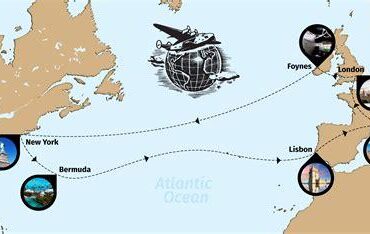
An aircraft departing New York for Ireland or Scotland must carry passengers, cargo, baggage, contingency fuel, alternate fuel, reserve fuel, and enough performance margin to safely depart the runway available.
Many narrowbody aircraft possess respectable theoretical range figures but cannot achieve those distances while carrying commercially viable payloads.
The Boeing 757 avoided this compromise.
Its maximum range of approximately 3,900 nautical miles allowed airlines to operate numerous North Atlantic routes while carrying economically attractive passenger loads.
More importantly, the aircraft retained strong performance under difficult operating conditions. Airports with shorter runways, higher elevations, or restrictive departure procedures remained accessible without imposing severe payload penalties.
That flexibility distinguished the 757 from virtually every other narrowbody of its generation.
ETOPS Changed Everything For Twin-Engine Aircraft
Even with sufficient range and powerful engines, another obstacle initially prevented the Boeing 757 from flying many oceanic routes.
Regulations.
Before the mid-1980s, twin-engine commercial aircraft generally had to remain within 60 minutes of a suitable diversion airport. This effectively prevented efficient transatlantic operations because aircraft would need highly inefficient routing to remain within regulatory limits.
Everything changed in 1985.
The Federal Aviation Administration introduced ETOPS-120, permitting properly certified twin-engine aircraft to operate as far as 120 minutes from a diversion airport under approved conditions.
The Boeing 757 quickly benefited from this regulatory evolution.
Aircraft equipped with Rolls-Royce RB211 engines received ETOPS approval first, followed shortly by examples powered by Pratt & Whitney engines.
Suddenly, airlines possessed a narrowbody capable of economically crossing the Atlantic without relying on older three-engine or four-engine aircraft.
This certification fundamentally altered airline network planning.
Instead of concentrating all international passengers through massive hub airports, airlines could begin offering direct services between smaller city pairs.
Why The Boeing 757 Dominated Long And Thin Routes
The phrase “long and thin” became closely associated with the Boeing 757.
In airline planning, these routes combine long flying distances with moderate passenger demand. They are profitable only if operating costs remain low enough to offset relatively limited passenger numbers.
Widebody aircraft frequently carry too many seats, making year-round service financially risky.
Smaller narrowbodies often lack the necessary range or payload.
The Boeing 757 occupied the perfect middle ground.
Instead of requiring airlines to funnel passengers through congested international hubs, the aircraft enabled direct flights linking cities that previously lacked sufficient demand for widebody operations.
Routes such as Newark to Porto, Washington Dulles to Dublin, Newark to Shannon, and Chicago to Edinburgh became practical because the 757 combined efficient fuel consumption with enough seats to match local demand.
Passengers benefited enormously.
Instead of connecting through major European gateways before taking shorter regional flights, travelers could fly directly between secondary cities, reducing total travel time while improving convenience.
Airlines likewise benefited through lower operating costs, improved aircraft utilization, and greater scheduling flexibility.
The Boeing 757 did not simply serve existing markets—it created entirely new ones.
Why Airlines Continued Flying The 757 For Decades
Although newer aircraft entered the market throughout the 1990s and early 2000s, few could fully replace the Boeing 757.
Aircraft such as the Boeing 737 Next Generation family offered impressive efficiency but lacked the same combination of runway performance, payload capability, and long-range flexibility.
Meanwhile, larger widebody aircraft remained too expensive to operate on many thinner international routes.
Consequently, airlines continued investing heavily in maintaining aging 757 fleets.
Carriers modernized cabins, upgraded avionics, and performed extensive structural maintenance because replacing the aircraft often proved more difficult than extending its operational life.
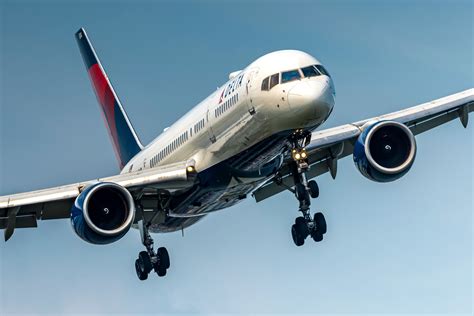
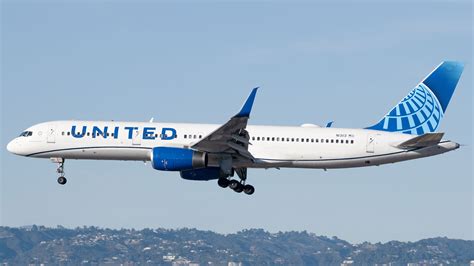
Among U.S. airlines, United Airlines and Delta Air Lines became the aircraft’s most prominent remaining operators, using it extensively on domestic transcontinental services while also maintaining numerous North Atlantic routes.
Its continued service decades after production ceased illustrates just how difficult its unique niche has been to replace.
The Airbus A321XLR Is Finally Filling Part Of The Gap
For nearly twenty years after Boeing ended production, the aviation industry lacked a true successor to the 757.
Manufacturers prioritized either smaller domestic narrowbodies or much larger long-haul aircraft, leaving the middle market underserved.
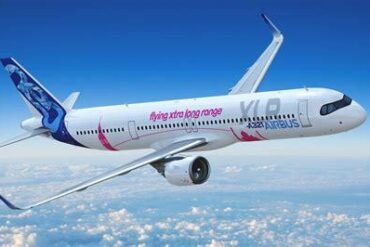
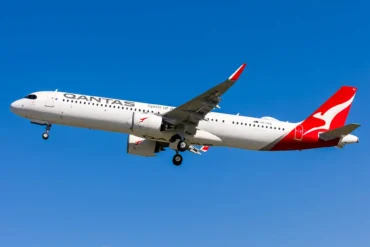
The introduction of the Airbus A321XLR has begun addressing that gap.
With a published range approaching 4,700 nautical miles, the A321XLR exceeds the Boeing 757’s range while incorporating newer engines, lighter materials, and significantly improved fuel efficiency.
Its operating economics make it highly attractive for airlines seeking to serve long-haul routes with moderate passenger demand.
However, despite these impressive advances, many aviation professionals continue to note that the A321XLR does not fully duplicate every strength of the Boeing 757.
The newer Airbus generally carries slightly fewer passengers in comparable layouts and cannot always match the 757’s extraordinary takeoff performance from particularly challenging airports.
In other words, the A321XLR successfully replaces many of the 757’s missions, but not necessarily all of them.
That reality highlights how uniquely balanced Boeing’s original design truly was.
Why The Boeing 757 Remains One Of Aviation’s Most Remarkable Designs
The Boeing 757 succeeded because every major component complemented the others.
Its advanced supercritical wing minimized drag without sacrificing low-speed lift. Exceptionally powerful engines delivered climb performance rarely seen on aircraft of similar size. Generous fuel capacity enabled genuine medium- and long-haul capability, while ETOPS certification unlocked entirely new international opportunities.
No single innovation explains the aircraft’s legendary reputation.
Instead, it was the seamless integration of aerodynamic efficiency, structural capability, propulsion, and operational flexibility that allowed the 757 to accomplish missions few other narrowbody aircraft could perform.
Its legacy extends far beyond impressive technical specifications. The aircraft fundamentally changed airline economics by making nonstop transatlantic service viable between city pairs that once depended on connecting flights through major hubs. That shift improved passenger convenience while enabling airlines to expand internationally without committing to much larger and more expensive aircraft.
Even as modern successors gradually assume many of its responsibilities, the Boeing 757 continues to represent one of commercial aviation’s most balanced and influential designs. Its ability to combine long range, powerful performance, efficient economics, and narrowbody versatility ensured that it remained indispensable long after production ceased—and explains why it continues to be remembered as one of the only single-aisle airliners capable of routinely flying certain transatlantic routes with unmatched effectiveness.