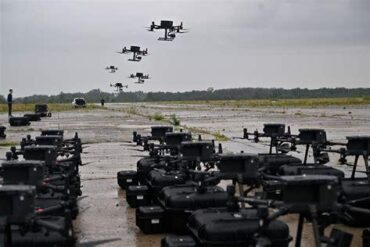
The rapid evolution of drone warfare has transformed modern battlefields, forcing militaries to search for faster, cheaper, and more flexible ways to counter small unmanned aircraft. During the Russia-Ukraine War, both sides have relied heavily on drones for surveillance, precision strikes, and battlefield coordination. The sheer number of drones being deployed has created a difficult challenge: traditional air defense systems are often too expensive or too limited to stop waves of low-cost aerial threats.
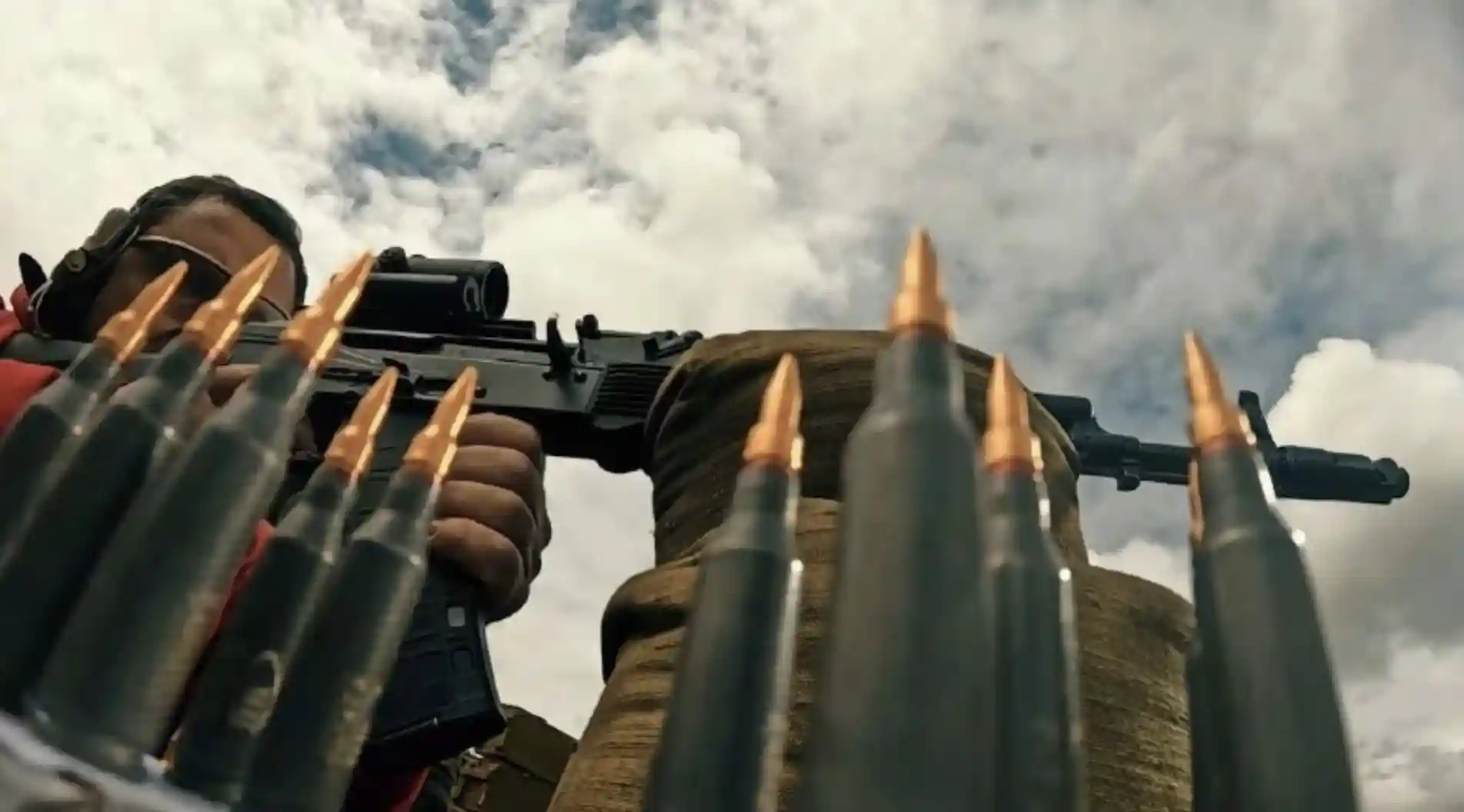
Russia has responded by developing a new type of ammunition known as Mnogotochie cartridges, designed specifically to improve the chances of hitting fast-moving drones. Unlike conventional rifle rounds that fire a single projectile, these specialized bullets are engineered to separate after leaving the barrel, creating multiple impact points from one shot. The concept aims to give individual soldiers a greater chance of destroying small drones without needing dedicated missile systems or specialized anti-aircraft weapons.
The Mnogotochie cartridge represents a modern interpretation of an old military idea: increasing hit probability by spreading multiple projectiles toward a target. Historically, weapons such as cannons using grapeshot and shotguns using pellets relied on similar principles. However, adapting this concept for standard military rifles introduces a new approach, allowing frontline troops to use existing weapons platforms while gaining a wider engagement pattern.
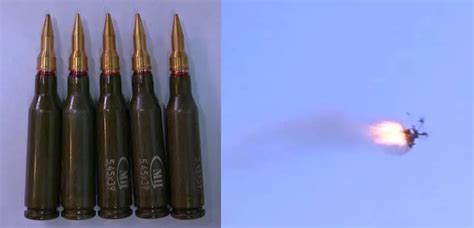
According to available information, the new rounds are manufactured by Russia’s High Precision Systems holding company and are designed for rifles chambered in 5.45x39mm and 7.62x39mm ammunition. Once fired, the projectile separates into three smaller components shortly after exiting the barrel. This effectively turns one rifle shot into a small cluster of projectiles, increasing the density of fire against airborne targets.
The advantage is most noticeable when engaging drones at relatively close distances. A small quadcopter or lightweight attack drone can be difficult to hit because of its size, speed, and unpredictable movement. A traditional bullet requires precise aiming, but a split projectile system creates a wider area where an incoming drone could potentially be struck.
How Russia’s Anti-Drone Bullets Work Against Modern Threats
The reported effective range of Mnogotochie ammunition is approximately 300 meters, which is within the normal operating range of many rifle cartridges. At these distances, the additional spread could provide soldiers with an important advantage when defending positions from low-flying drones.
However, the technology also faces significant limitations. A wider projectile pattern does not guarantee success against a moving target. Many modern drones can travel at speeds approaching 87 mph, allowing them to cover hundreds of feet in only a few seconds. Even with improved ammunition, the shooter still needs fast reaction times, accurate tracking skills, and proper timing.
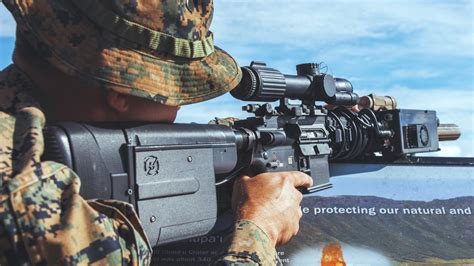
The development highlights a broader trend in modern warfare: simple solutions are being adapted to address increasingly complex threats. While expensive electronic warfare systems and interceptor missiles remain important tools, militaries are also exploring affordable options that can be distributed among ordinary troops.
The true battlefield effectiveness of Russia’s split-apart drone defense bullets remains uncertain. Publicly available information has not confirmed how successful Mnogotochie cartridges have been in actual combat conditions. Their performance will depend on factors such as drone speed, operator skill, environmental conditions, and whether future drones develop new countermeasures.
Nevertheless, the concept demonstrates how the rise of inexpensive drones is reshaping military innovation. Instead of relying only on advanced systems, armies are returning to practical ideas and modifying existing equipment to meet new challenges. Russia’s specialized ammunition is another example of how the drone era is pushing weapons designers to rethink even the most basic battlefield tools.