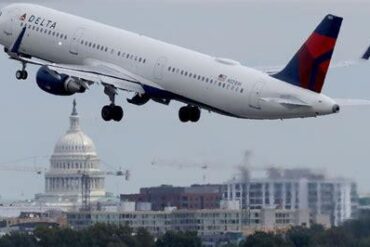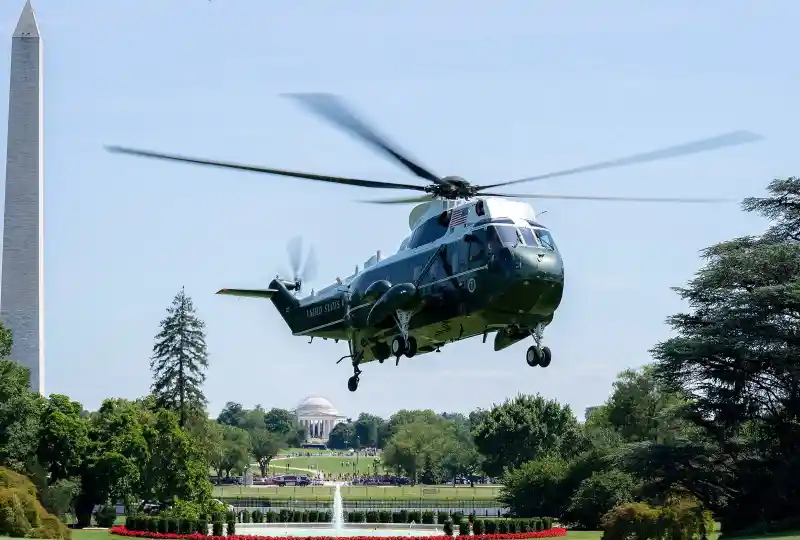
The Federal Aviation Administration (FAA) has launched an investigation into a potential loss of separation incident at Ronald Reagan Washington National Airport (DCA) after Marine One, the presidential helicopter transporting President Donald Trump, and an Envoy Air Embraer E170 regional jet departed within approximately one minute of each other. The event has raised renewed concerns about the complexity of Washington’s heavily restricted airspace and whether newly implemented safety procedures were properly followed.
Marine One departed from the Washington area at around 2:33 PM local time on Tuesday while carrying the president toward Joint Base Andrews (ADW) before a planned trip to Los Angeles. Shortly afterward, Envoy Air Flight 3742, operating from Reagan National to Pensacola International Airport (PNS), received clearance for departure.
The close timing between the two aircraft became the focus of scrutiny because regulations introduced after a deadly January 2025 collision near DCA require commercial flight operations to be restricted when presidential helicopter movements are taking place nearby.
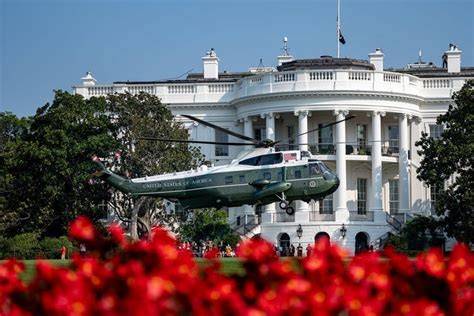
FAA Reviews Whether Required Separation Rules Were Followed
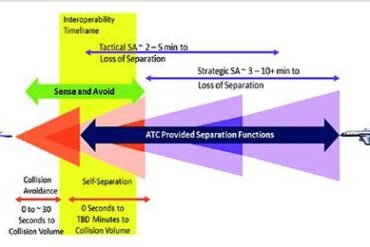
According to preliminary information, the aircraft may have operated closer than permitted separation standards allow. Aviation separation requirements generally require aircraft operating in controlled airspace to maintain sufficient distance, including approximately 1.5 miles of horizontal separation and 500 feet of vertical separation in certain situations.
However, the FAA has emphasized that the incident did not appear to represent a dangerous near miss. The agency stated that the two aircraft were not on converging paths and did not come close enough to create an immediate safety threat.
The investigation is instead focused on why commercial operations continued at Ronald Reagan Washington National Airport while Marine One was active in the surrounding area. The FAA is expected to examine air traffic control decisions, communication procedures, and whether existing restrictions were properly applied.
A spokesperson for the administration also stated that the president was never at risk during the flight. White House representative Kush Desai said that Marine One operations are conducted by highly experienced military pilots and that President Trump was not in danger at any point.
The incident highlights the difference between a technical separation violation and an actual collision risk. Aviation authorities frequently investigate situations where established procedures are not followed, even when aircraft remain safely separated, because small failures in complex systems can reveal vulnerabilities before a more serious event occurs.
Washington Airspace Remains One Of America’s Most Challenging Aviation Environments
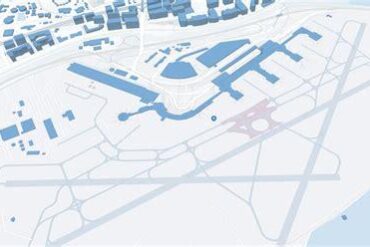
The airspace around Washington, DC, is among the most complicated in the United States. Reagan National sits close to government buildings, restricted zones, military facilities, and the heavily used Potomac River helicopter corridors.
Commercial aircraft, military helicopters, law enforcement flights, medical helicopters, and presidential transport operations all share a limited area where strict coordination is required.
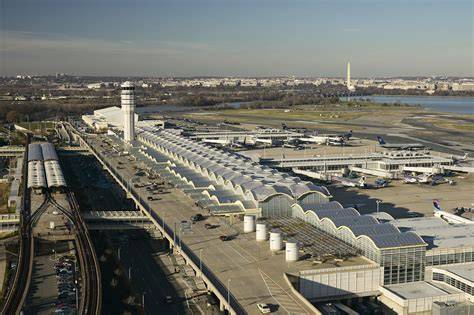
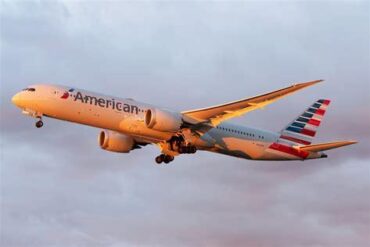
The January 2025 crash involving American Airlines Flight 5342 and a US Army helicopter dramatically increased attention on the risks of mixed helicopter and commercial aircraft operations near DCA. That accident killed 67 people and triggered major reviews of helicopter routes, controller procedures, and traffic management practices.
Following the tragedy, the FAA introduced several changes designed to reduce interaction between helicopters and commercial aircraft. These included closing Washington Helicopter Route Four between Hains Point and the Wilson Bridge, limiting certain helicopter operations near the airport, and restricting controllers from relying on visual separation methods for helicopter traffic.
Presidential transport missions remain permitted because of their national security importance. However, commercial aircraft movements are expected to be managed carefully during those operations.
The latest incident has renewed questions about whether those safeguards are being consistently applied during some of the busiest moments at the airport.
DCA Faces Growing Pressure From Rising Flight Demand
Beyond individual separation events, the investigation also draws attention to broader capacity challenges at Reagan National. Unlike most major airports, DCA’s flight activity is heavily influenced by decisions from Congress, which determines the number of flights allowed through legislative measures.
The airport has experienced significant growth despite limited physical space. Since 2000, dozens of additional daily flights have been added, including further increases approved in 2024.
Today, Reagan National handles around 25 million passengers annually, significantly exceeding the passenger volume the airport was originally designed to support. Its limited runway configuration leaves little room for operational flexibility, especially during periods of heavy traffic.
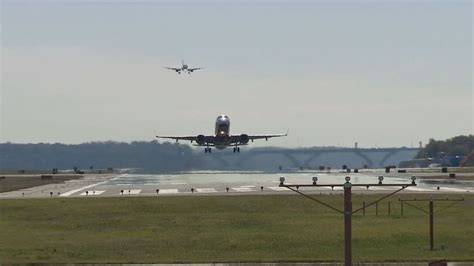
One of DCA’s runways, Runway 1/19, is among the busiest runways in the United States, handling hundreds of aircraft movements each day. During peak periods, aircraft can arrive or depart at intervals approaching one operation per minute.
The airport has also faced air traffic controller staffing challenges, with FAA data showing a substantial number of controller positions remain unfilled. Reduced staffing levels can increase workload pressure in an environment where timing, communication, and precision are critical.
FAA Investigation Could Lead To Additional Safety Measures
The FAA’s review will likely examine whether current procedures provide enough protection when presidential helicopter operations overlap with commercial departures and arrivals. Investigators will analyze radar data, controller communications, aircraft tracking information, and operational decisions made during the event.
Although officials have stated that the aircraft were never dangerously close, aviation safety investigations often focus on preventing future risks rather than assigning blame for a single occurrence.
The Marine One and Envoy Air incident serves as another reminder that Washington’s airspace requires exceptional coordination. With increasing flight demand, limited airport capacity, and multiple high-priority aviation operations occurring in close proximity, maintaining strict separation standards remains essential for protecting one of the nation’s most sensitive aviation environments.