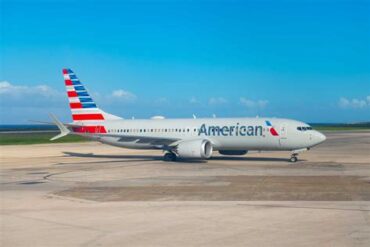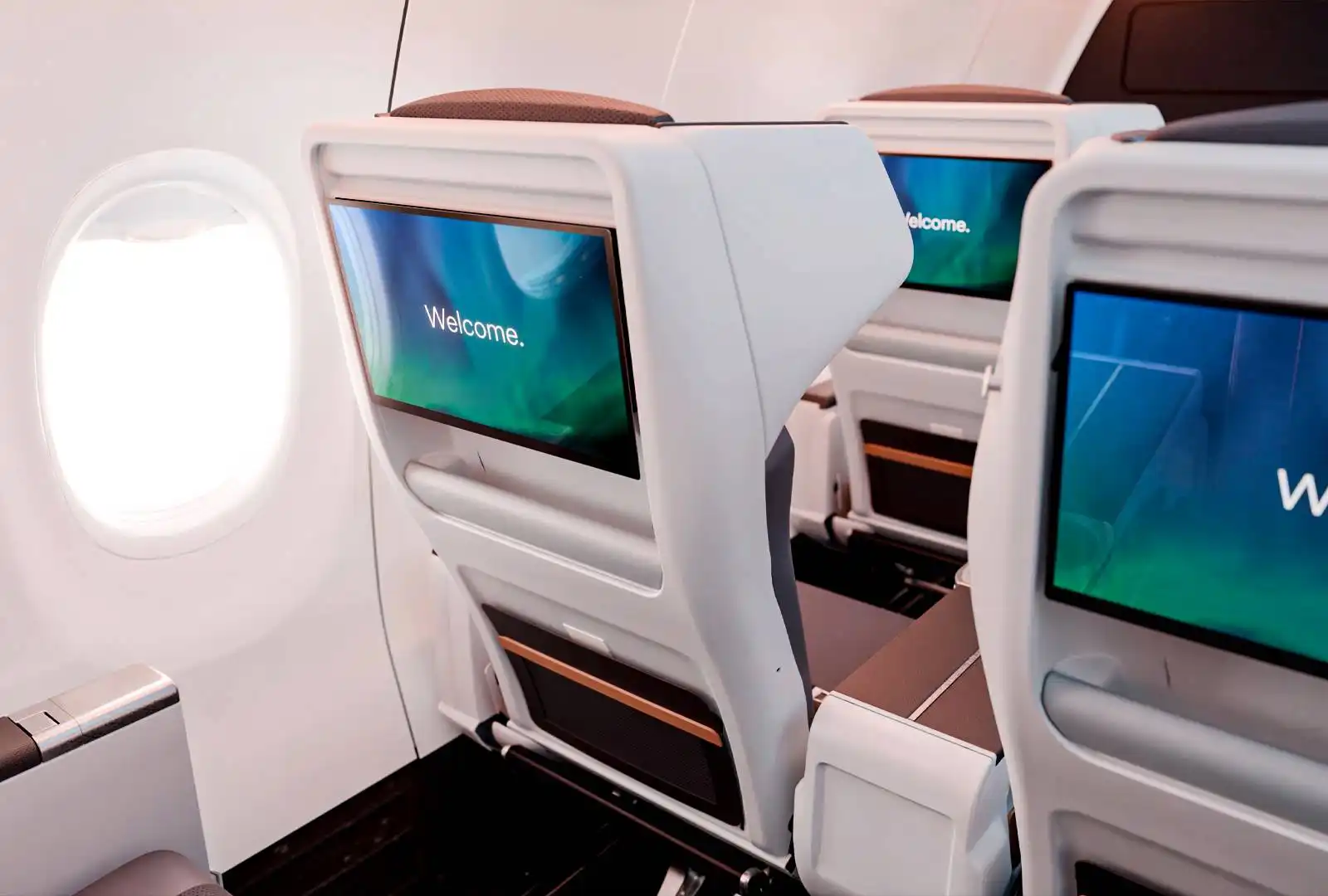
Alaska Airlines has spent the better part of two decades telling anyone who would listen that the back of a Boeing 737 is exactly the wrong place to hang a television. Its single-aisle cabins are deliberately sparse on purpose, a weight-saving discipline baked into the airline’s DNA as it clawed its way to profitability in the brutally competitive Seattle market. So when the carrier unveiled the cabin for its first Boeing 737 MAX 10 on September 29 at its Investor Day in Seattle, the details landed like a small earthquake in the passenger experience community. Alaska is not just staying screenless. It is splitting the airplane in half, bolting Panasonic Astrova displays into only the two most expensive cabins at the front and handing everyone else a bring-your-own-device shrug. In raw numbers, that means roughly 15% of about 159 seats on the premium-configured jets will have a built-in screen, while the overwhelming majority of passengers will be left to stream on hardware they hauled through security themselves. The decision is either a visionary read on how modern travelers actually behave at 35,000 feet or a gamble that a cheap, fast internet pipe can substitute for an amenity passengers have expected for thirty years. Alaska is betting real money that it is the former, and it is doing so while the world watches its first transcon flagship seats sit on an FAA test sled.
The Four-Cabin MAX 10 Layout That Splits Screen From Screenless
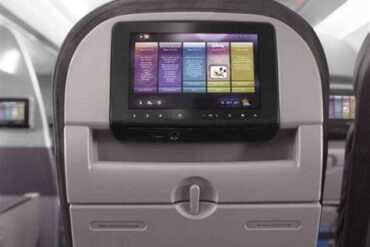
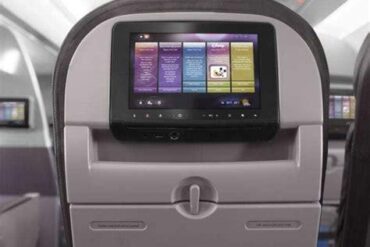
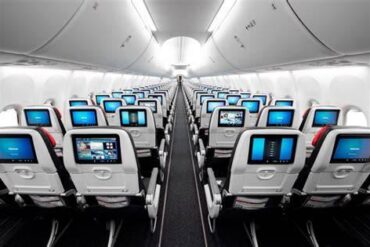
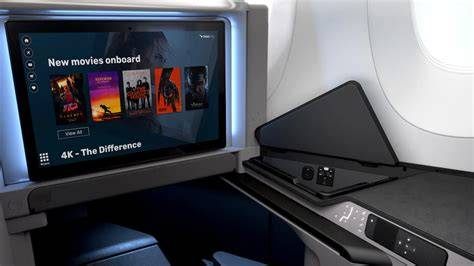
The architecture Alaska revealed for its premium-heavy MAX 10 is the most complicated cabin the airline has ever ordered for a narrowbody. At the very front sit the Aurora Suites, the lie-flat, door-equipped private pods that will make their first appearance on a 737 airframe anywhere in Alaska’s history. Behind them comes Premium Reserve, the airline’s first genuine premium economy product rather than a slightly roomier economy seat. Only those two cabins get the embedded 4K seatback screens, sized at 19 inches in the suites and 16 inches in Premium Reserve. Behind the curtain, the airplane reverts to the Alaska that frequent flyers know: Premium Class, which is nothing more exotic than extra-legroom economy, and a standard Main Cabin, both of which will be entirely screenless and dependent on whatever device the passenger carries aboard. The cabin card reads like two different airlines stitched together at row twelve, and that is precisely the point. Alaska executives framed the premium experience as being defined by the suites and Premium Reserve, per reporting from APEX, while describing Main Cabin as deliberately consistent with the rest of the fleet. That consistency is not an accident of engineering. It is the strategic through-line that explains every awkward compromise in the announcement.
Not every MAX 10 Alaska takes delivery of will look like this. The airline has committed to at least 25 aircraft in the premium-heavy configuration, a subfleet carved out of a 105-frame order for the type. The rest will be something considerably more utilitarian, and the timing of those deliveries explains a great deal about why the screens took so long.
Why the Seatback Screens Slipped to 2028
Alaska expected its first MAX 10 in the second quarter of 2027, but the lie-flat seats inside Aurora Suites will not be installed until 2028. That gap was not part of the original plan, and the revelation stung because Alaska had already shown the design to the public before learning that its flagship seats were still pending FAA approval. The FAA formally certified the 737 MAX 10 on October 20 after years of punishing delay, and Alaska now expects to take 22 aircraft during 2027. To get them earning revenue on day one, that first tranche will arrive in Alaska’s standard high-density domestic configuration with 188 seats, strictly BYOD across every row, no suites, no Premium Reserve, no premium hardware to certify.
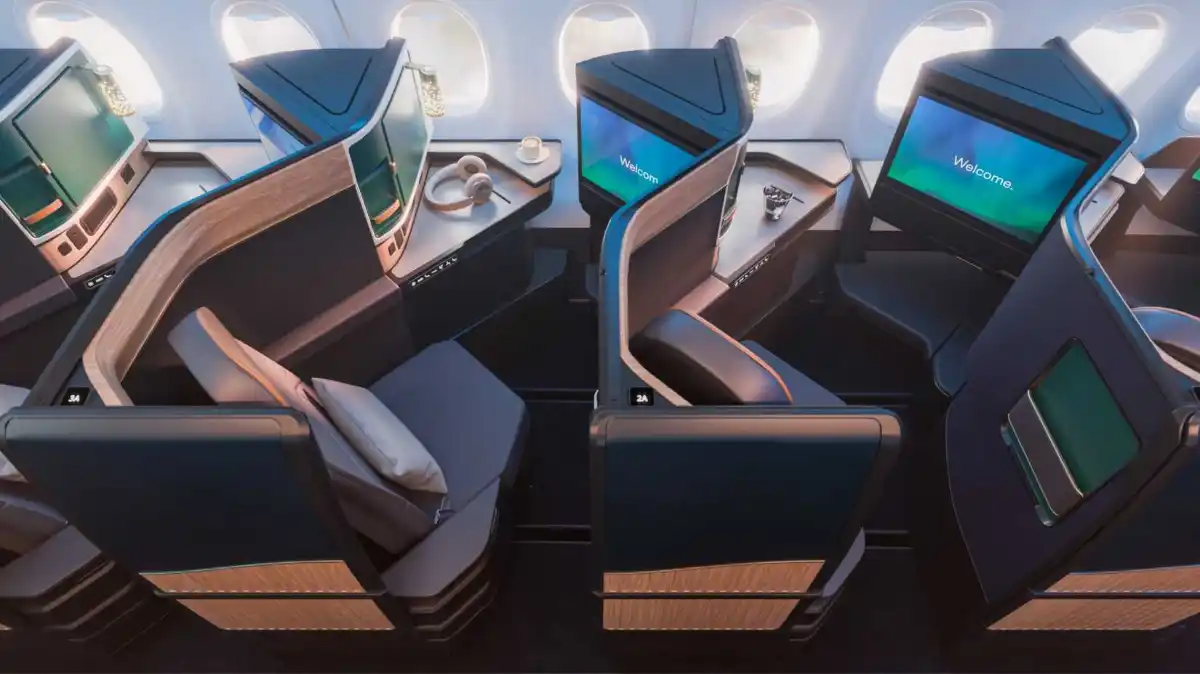
The bottleneck is not the television. It is the seat. The FAA subjects lie-flat premium seats to intensive 16G dynamic crash testing, a standard that is comparatively straightforward for traditional forward-facing seats where impact forces travel predictably through the frame. Angled lie-flat suites on a single-aisle jet are a different problem entirely, because the occupant is not facing squarely into the crash vector. Manufacturers must run extensive sled testing to prove that a human body at an angle can survive a 16G impact without striking the suite walls or suffering severe neck and spinal trauma, which in practice means certifying inflatable airbag seatbelts sophisticated enough to meet the FAA’s head-injury criteria. The agency then has to approve the entire cabin installation as a single integrated system and inspect the geometry to confirm that the suite structures do not obstruct emergency egress paths for passengers behind them. Designing, testing, and iterating shell materials to clear those hurdles routinely consumes 18 to 24 months, and Alaska’s schedule is paying the price for every one of them. Keeping screens out of the main cabin helps the carrier sidestep additional hardware certification complexity, a point executives made explicitly, but it does nothing to accelerate the safety review that is actually holding up the suites.
The Starlink Proof-of-Concept From Hawaiian’s Airbus A330s
The intellectual foundation for cutting screens from the main cabin is Alaska Air Group’s experience deploying Starlink on the Hawaiian Airlines Airbus A330 fleet. That pilot program, launched on Honolulu’s widebodies, gave corporate leadership the confidence to strip seatback entertainment from the economy cabin of the MAX 10. The logic runs that free, gate-to-gate, low-latency broadband renders the built-in display redundant, and the operational data from those Pacific crossings is genuinely impressive. Hawaiian’s A330s fly some of the most isolated routes on earth, entirely dependent on satellite coverage over vast stretches of remote oceanic airspace, and Starlink delivered throughout. If the system performs over the empty middle of the Pacific, the reasoning goes, continental US coverage should be a formality.
The evidence is not quite that clean, though. Hawaiian’s legacy screens were aging hardware, which makes declining usage difficult to read as a verdict on seatback entertainment itself. A passenger who ignores a dim, sluggish display from the previous decade has not necessarily rejected the concept of a screen; they may simply have rejected that screen. The data may be telling Alaska something about Hawaiian’s maintenance cycle rather than about human preference. What the A330 trial did establish with useful clarity is where embedded screens still command a premium: passengers paying top-tier fares expect an all-inclusive, luxurious environment in which they do not have to prop a phone against a tray table. Alaska’s answer was to keep screens exactly where the fare justifies the weight.
Fleet Commonality, Aircraft Swaps, and the Problem of Inconsistency
Alaska prizes an identical narrowbody cabin more than almost any other US carrier, and for unglamorous operational reasons. Its 737-800s, 737-900ERs, and MAX 9s are entirely screenless, so a delayed or canceled flight can be swapped to another airframe with a different registration and passengers barely notice. Introducing screens to the back of only the MAX 10 would break that seamless interchangeability and create a wildly inconsistent experience depending on which jet shows up at the gate. That risk is real, but the airline has already signaled that perfect uniformity is not an absolute principle. When Alaska configured its incoming Boeing 787 Dreamliners for long-haul international flying, it committed to seatback screens with Bluetooth across all four cabins, including standard Premium Class and Main Cabin. The lesson is that Alaska’s antipathy toward embedded entertainment is not philosophical. It is route-dependent, and on a long international sector, BYOD is a far tougher sell than it is on a two-hour hop from Seattle to Spokane.
Competitive Pressure, Fuel Weight, and the Retrofit Door Left Ajar
The economics cutting against screens are easy to state and hard to argue with. Every embedded display, its wiring harness, its power supply, and its wireless infrastructure adds weight to an airframe, and weight burns fuel on every single flight for the life of the aircraft. Alaska’s chief financial officer has described the high-density 188-seat MAX 10s as extraordinarily cheap to operate, which is what allows the airline to price economy aggressively against rivals. Leaving the main cabin bare saves millions in hardware and fuel, and it keeps the aircraft light enough to be genuinely price-competitive on the dense trunk routes where Alaska makes its money.
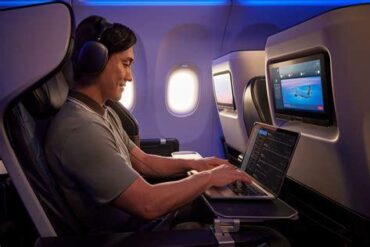
The counterweight is behavioral. If customers have free, fast WiFi, the theory holds that they will stream happily onto their own devices and never miss the screen. If they instead complain about dead phone batteries, cramped necks from hours of staring at a six-inch display, and the absence of a seatback map on a six-hour transcontinental flight, Alaska has knowingly preserved an exit. Because the airline owns the cabin specification, it can expand IFE hardware during scheduled overnight maintenance intervals, and the door is explicitly open for a retrofit if satisfaction scores slide against Delta or United, or if premium economy and corporate travelers begin defecting to competitors that still offer embedded entertainment. It is a hedge dressed as a philosophy, and Alaska has been candid enough to admit it is watching.
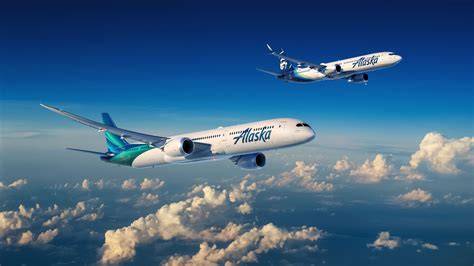
Alaska Airlines’ Wider Gamble on Premium Transcon Flying and Global Reach
The MAX 10 rollout is inseparable from the larger transformation Alaska has been executing since absorbing Hawaiian’s widebodies and becoming an international operator overnight. The carrier that spent decades branding itself as a proud domestic, single-aisle airline now holds a firm order book of 105 MAX 10s and an expanded 787 widebody commitment of 17 aircraft, including a conversion to the larger 787-10. The MAX 10 threads those two worlds together. Its high-density configuration moves more passengers per flight from major domestic cities into a tightly constrained Seattle-Tacoma hub without consuming scarce slots, feeding the international network the Dreamliners fly. The premium-heavy 25-aircraft subfleet, with its suites and Premium Reserve cabin, is a live experiment in how much premium domestic demand Alaska can harvest to sustain a brand-new global route map. When the 2028 aircraft finally enter service, the airline will be reading customer feedback with unusual intensity, because the results will determine whether the back of the plane ever gets a screen again. Alaska is betting a fraction of its seats that speed and free WiFi beat a built-in television. Whether that bet pays off will be settled in economy class, one transcontinental flight at a time.