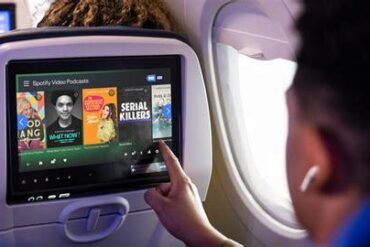
British Airways is reshaping the in-flight entertainment experience by introducing a Bring Your Own Device (BYOD) streaming service, allowing passengers to enjoy films and TV shows directly on their personal smartphones, tablets, or laptops. This bold step aligns with evolving passenger expectations for greater convenience, personalization, and technology-driven comfort during air travel.
A New Era of Entertainment at 35,000 Feet
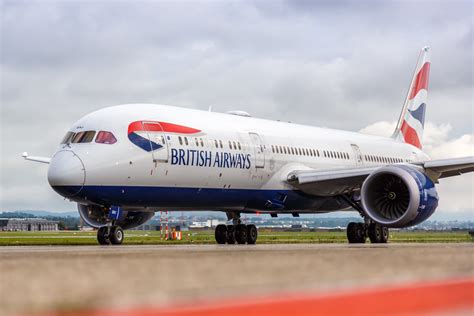
The BYOD initiative, rolled out in July 2025, is currently undergoing trials on select long-haul flights, marking a significant pivot in how British Airways delivers entertainment onboard. Passengers flying on the airline’s Airbus A380, Boeing 787-9 Dreamliner, and Boeing 777-200 aircraft can now access an extensive content library directly through their devices without relying on the traditional seatback screens.
The move reflects a broader industry trend towards leveraging digital platforms to enhance the in-flight experience while potentially reducing aircraft weight and maintenance complexity.
How the BYOD Streaming System Works
Passengers onboard eligible aircraft can connect to the cabin’s Wi-Fi network and access the entertainment portal through a standard web browser. There’s no requirement to download additional apps or software, simplifying the process for travelers across all age groups.
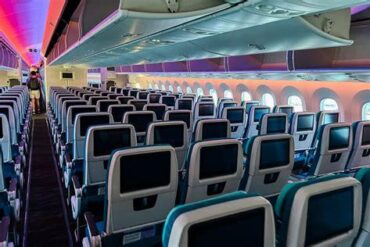
The system mirrors the entertainment selection typically available on embedded seatback screens, offering movies, TV series, and curated content free of charge. By eliminating the dependency on seatback hardware, British Airways introduces an additional layer of flexibility, catering to travelers who prefer using familiar devices.
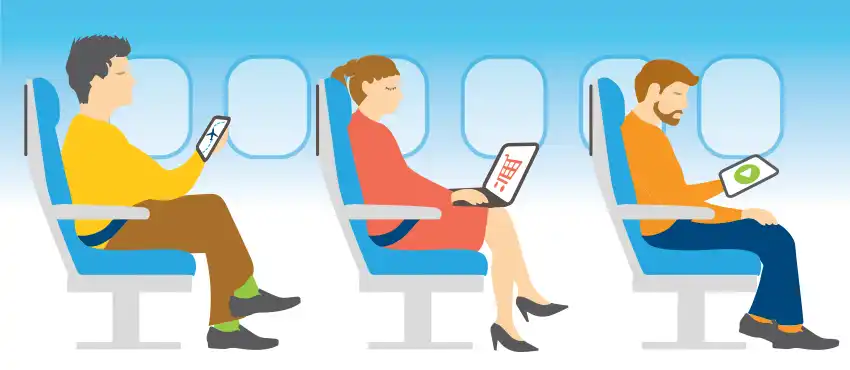
BYOD: Beyond Budget Airlines, Now Taking Off on Long-Haul Flights
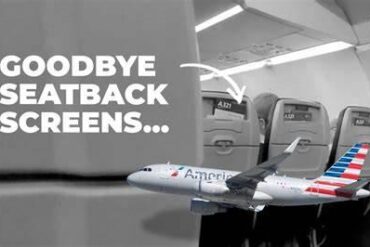
The BYOD model has been a staple on short-haul, low-cost carriers for years. However, British Airways’ decision to test this system on international, widebody aircraft signals a potential shift in long-haul travel standards. The ability to stream entertainment wirelessly could redefine cabin design priorities, with airlines increasingly questioning the need for embedded displays.
Such wireless solutions can translate to several operational advantages, including:
- Weight Reduction: Eliminating seatback screens reduces aircraft weight, contributing to fuel efficiency.
- Maintenance Simplification: Fewer embedded components mean fewer repair requirements.
- Cabin Modernization: Airlines can reimagine cabin aesthetics with fewer bulky screen installations.
Despite these advantages, the transition raises important considerations around inclusivity and passenger readiness.
Accessibility and Passenger Needs: A Delicate Balance
While wireless entertainment brings convenience to tech-savvy travelers, it also introduces potential challenges for certain passenger groups. Not every flyer travels with a personal device capable of streaming content. Seniors, young children, or passengers with disabilities may find personal devices less accessible or user-friendly compared to traditional seatback systems.
British Airways has acknowledged this concern, emphasizing that feedback from the ongoing trial will play a critical role in shaping future entertainment strategies. The airline remains committed to ensuring accessibility, recognizing that the in-flight experience must remain inclusive for all demographics.
Current Limitations of the BYOD Trial
Though promising, the BYOD system is still in its early stages, offering basic streaming functions without some modern features that frequent flyers may expect:
- No Bluetooth headphone support, requiring wired connections.
- Absence of personalized content recommendations, limiting tailored entertainment.
- No support for live television broadcasts or real-time streaming.
- Lack of content continuity for passengers with connecting flights.
British Airways is monitoring passenger interaction with the platform closely, with plans to enhance features based on user feedback. Future updates could include syncing entertainment options with frequent flyer profiles, improving interactive content offerings, and introducing Bluetooth compatibility.
Industry Impact: What This Trial Means for Aviation’s Future
The introduction of BYOD streaming on British Airways’ flagship aircraft reflects a broader transformation within the aviation sector. Airlines are increasingly seeking ways to align cabin experiences with passengers’ digital behaviors, driven by the widespread adoption of smartphones, tablets, and personal laptops.
If British Airways’ trial proves successful, it could trigger several industry-wide changes:
- Fleet-Wide Integration: BYOD platforms could become standard across long-haul aircraft.
- Cabin Design Evolution: Airlines may reallocate space traditionally used for seatback screens.
- Environmental Benefits: Lighter aircraft configurations support sustainability goals.
- Enhanced Passenger Satisfaction: Travelers gain greater control over their entertainment experience.
However, industry experts caution that any widespread removal of embedded screens must account for accessibility gaps, ensuring that all passengers, regardless of device ownership or technical comfort, can enjoy onboard content.
Short-Haul and European Routes: A Missed Opportunity?
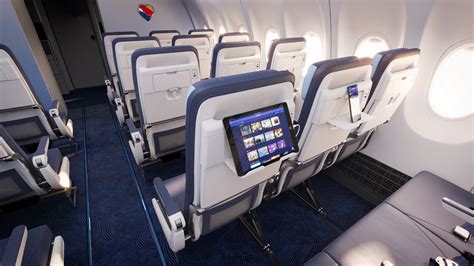
Interestingly, British Airways has limited the BYOD system to long-haul flights, leaving short- and medium-haul routes unchanged. Many of these regional flights, particularly within Europe, lack any form of entertainment—a glaring gap that BYOD streaming could easily fill.
Introducing the system on three to five-hour European flights would allow British Airways to differentiate itself in competitive markets where entertainment options remain sparse. For now, the absence of BYOD streaming on these routes suggests a cautious approach, with the airline likely waiting to assess long-haul trial outcomes before expanding the service.
Passenger Preferences: Seatback Screens vs. Personal Devices
The debate over embedded screens versus personal device streaming is far from settled. While some passengers welcome the flexibility of BYOD models, others remain attached to the familiarity and convenience of built-in screens. Factors influencing this preference include:
- Device readiness: Passengers must ensure personal devices are charged and compatible.
- Screen size: Seatback displays often offer superior viewing compared to smartphones.
- Accessibility: Built-in systems are designed with universal usability in mind.
- Disruption concerns: Streaming on personal devices may drain batteries needed upon arrival.
For airlines like British Airways, the challenge lies in striking a balance—offering innovative digital solutions without alienating passengers who prefer traditional setups.
Looking Ahead: Will Seatback Screens Disappear?
British Airways’ wireless streaming trial is part of a larger conversation about the future of in-flight entertainment. As aircraft technology evolves, airlines face mounting pressure to deliver streamlined, cost-effective, and passenger-friendly solutions.
While it remains unlikely that seatback screens will vanish overnight, the rise of BYOD models suggests that hybrid systems may become the norm. Passengers could soon enjoy the best of both worlds—seatback entertainment for convenience, coupled with BYOD streaming for those seeking a more personalized, device-driven experience.
For now, British Airways is actively collecting passenger feedback to guide future decisions. The trial’s success may pave the way for a next-generation cabin environment designed around digital behavior and traveler flexibility.
Conclusion: A Digital Transformation at Altitude
British Airways’ BYOD streaming initiative represents a bold step towards reimagining in-flight entertainment for the modern traveler. By allowing passengers to stream films and shows on their own devices, the airline embraces technological innovation, operational efficiency, and enhanced passenger satisfaction.
The coming months will reveal whether this digital pivot gains widespread acceptance or whether embedded screens will continue to occupy a central role in long-haul cabins. Regardless, British Airways has signaled its intent to lead the charge in modernizing air travel experiences, one streamed movie at a time.