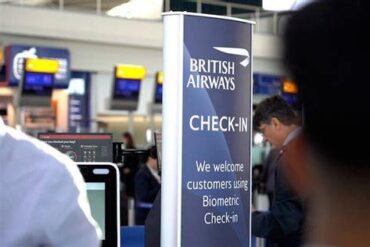
British Airways has taken a monumental step by joining forces with Qantas, American Airlines, Etihad Airways and Hawaiian Airlines to pilot a Bring Your Own Device (BYOD) inflight entertainment model. Announced in July 2025, this collaboration signals a bold departure from the legacy of seatback screens and ushers in an era where personal smartphones, tablets and laptops serve as the primary portal to movies, TV shows and digital content at 35,000 feet. The alliance underscores an industry-wide rethinking of cost structures, passenger habits and cabin design strategies that could reshape the flying experience for millions of travelers.
Passenger curiosity is peaking as fans of traditional in-seat screens wonder whether this alliance heralds the end of the embedded monitor era. As BA’s trial unfolds on its flagship long-haul fleet, industry analysts are scrutinizing the economics, technological reliability and passenger satisfaction metrics that will determine if BYOD becomes the new standard—or an aborted experiment. Insiders warn that a miscalculation could backfire, eroding brand loyalty and tarnishing the premium image carriers strive to uphold.
This BYOD trial is set to roll out on widebody aircraft operating out of London Heathrow, including Airbus A380 superjumbos, Boeing 787‑9 Dreamliners with existing Wi‑Fi, and Boeing 777‑200s still fitted with legacy IFE hardware. Passengers will simply connect to the onboard Wi‑Fi network, navigate to a streaming portal, and enjoy BA’s curated library of blockbuster films, classic dramas and documentary series—all on their personal devices. Airlines view this transition as a golden opportunity to reduce weight, lower maintenance overhead and harness the skyrocketing proliferation of high-resolution mobile screens.
A Bold Step Into BYOD Territory
Launching in July 2025, British Airways’ BYOD trial seeks to validate streaming performance across several aircraft types. The platform integrates with Panasonic’s eX3 and Gogo Vision systems to deliver high-definition video content with minimal buffering. Pre-flight caching ensures popular titles are instantly available once cruising altitude is reached, while adaptive bitrate technology dynamically adjusts stream quality to maintain smooth playback—even when the satellite link experiences congestion. Passengers can download content ahead of departure or stream live, choosing from a constantly updated catalog that reflects trending releases and seasonal favorites.
The Fate of Seatback Screens Hangs in the Balance
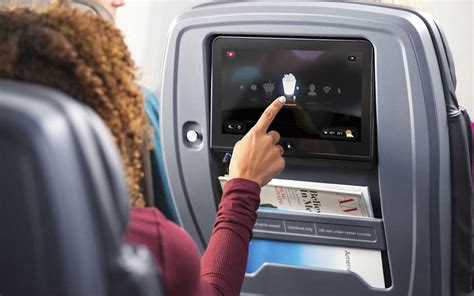
Seatback monitors have long been synonymous with long‑haul comfort, serving as silent ambassadors of brand luxury and passenger distraction. Yet each embedded screen adds approximately one kilogram to the aircraft’s weight, translating to additional fuel burn and CO₂ emissions on every flight. Maintenance teams must regularly calibrate touchscreens, replace backlighting units and update software—costs that rack up across thousands of seats. BYOD promises to slay these hidden expenses by removing bulky hardware, thinning seat shells and redirecting capital toward Wi‑Fi infrastructure and digital content licensing.
Despite the clear financial incentives, many frequent flyers remain skeptical. The tactile experience of tapping a screen inches from the seatback, the widescreen display that renders movies in crisp detail and the guaranteed power source—these comforts are non-negotiable for some passengers, particularly those on ultra‑long missions exceeding 10 hours. Will personal devices truly fill that comfort gap, or will travelers lament the loss of an in-seat cinema that requires no battery management or connectivity concerns?
A Trial That Sparks Industry Tension
British Airways’ choice to test BYOD in partnership with four major global carriers raises the stakes considerably. Rival airlines everywhere are watching the trial’s passenger feedback metrics, usage rates and revenue per seat. A high adoption rate could embolden carriers to accelerate screen removals, while widespread complaints would prompt swift course corrections. Brand managers worry that negative press—images of frustrated travelers with dead phones or patchy streams—could damage reputations and sway ticket-buying decisions.
Missed Opportunity on Short‑Haul Flights
Curiously, BA’s initial trial bypasses short‑haul sectors lasting four to five hours, where many narrowbody jets lack embedded entertainment systems entirely. Introducing BYOD on these routes could deliver an immediate uplift in passenger satisfaction at minimal hardware cost. European budget carriers often tout “no IFE” as a feature, but BA could turn that narrative on its head by offering free, high‑quality streaming on quick hops, winning loyalty from business travelers and leisure flyers alike. For now, however, BA remains cautious, electing to perfect the long‑haul model before branching into medium‑haul operations.
Economics Driving the Streaming Revolution
The cost-benefit calculation driving BYOD adoption is stark. A single seatback screen installation can cost between $500 and $1,000 when factoring in hardware, wiring and integration labor. Across a 300‑seat A380, that totals up to $300,000 before recurring maintenance. Moreover, screens become technologically obsolete within five years, necessitating refresh cycles. By contrast, investing in a robust Wi‑Fi backbone and digital content agreements allows carriers to shift obsolescence risk onto consumer devices, which passengers upgrade on their own schedules. Fuel savings from weight reduction further amplify the economic advantage over the aircraft’s operational lifespan.
Passengers Divided on Inflight Future
Surveys conducted by aviation consultants reveal a split among frequent flyers. Approximately 55% express enthusiasm for BYOD, citing the convenience of a familiar interface and the ability to continue watching pre‑downloaded shows without using seatback memory. Conversely, 45% voice concerns over battery life, screen size limitations and the potential for service interruptions if Wi‑Fi falters. Families traveling with children—often armed with tablets loaded with educational apps—tend to favor BYOD, but seniors and less tech‑savvy passengers may struggle with device connectivity or app navigation.
The Airline Battle Over BYOD: Will Seatback Screens Survive?
As BYOD gains momentum, airlines find themselves at a crossroads between tradition and transformation. On one side stands Delta Air Lines, doubling down on seatback screens by rolling out 4K HDR displays across its fleet by 2026, complete with interactive maps and live TV feeds. Delta argues that embedded screens deliver consistent performance regardless of Wi‑Fi variability and maintain the airline’s reputation for premium service.
Meanwhile, Qantas and American Airlines have charted aggressive BYOD roadmaps. Qantas will introduce Airbus A321XLRs without seatback screens in late 2026, equipping each seatback with device holders and USB-C charging ports. American plans to remove screens from its domestic narrowbody fleet by the end of 2025, anticipating that passengers will embrace the Netflix‑style streaming model they already use on the ground.
Qantas and American: Leading the BYOD Charge
Qantas’ “barebones cabin” strategy aims to reduce A321XLR weight by 10% and deliver eight extra seat‑inches of legroom. Its collaboration with Netflix and Stan guarantees exclusive pre‑release content on board. American’s phased rollout has already removed screens from 50% of its A320 family, monitoring streaming engagement data to fine‑tune content bundles and ad‑supported free tiers. Early results show a 20% increase in ancillary revenue from premium content upgrades and digital advertising placements.
Etihad and Hawaiian: Early Adopters Prove the Model
Etihad Airways pioneered screenless streaming on its A320/A321 fleet back in 2019, partnering with Panasonic’s eXW platform to offer hundreds of hours of on‑demand content. Usage rates exceeded 70% on medium‑haul sectors, with passenger satisfaction scores rising by 8%. Hawaiian Airlines embraced a similar approach on its A321neo fleet, focusing on leisure routes to Maui and Honolulu. Minimal backlash and smooth connectivity established BYOD as a viable option in specific market segments.
Delta Digs In: The Case for Seatback Screens
Delta’s counterargument centers on reliability and brand differentiation. Its 4K HDR IFE rollout features noise‑cancellation headphone jacks, touchscreen meal ordering and synchronized device mirroring. Delta claims that guaranteed entertainment quality—without reliance on passengers’ battery levels or app compatibility—reinforces its premium positioning. Executives stress that screens serve as an immersive brand touchpoint, showcasing curated safety videos, welcome messages and sponsor integrations that BYOD cannot replicate in the same controlled environment.
The Future: Hybrid Solutions Emerging
To bridge polarized preferences, some carriers are exploring hybrid inflight entertainment ecosystems. Under this model, flagship long‑haul aircraft retain embedded screens for premium cabins, while economy cabins adopt BYOD. Others are trialing integrated seatback holders with wireless charging pads, allowing seamless switching between personal and shared screens. App-based controls enable content mirroring, enabling families to stream on one device while sharing to a larger communal screen in front seats—a concept that could blend the best of both worlds.
Why It Matters for the Travel Industry
The BYOD debate extends beyond passenger convenience. It touches on sustainability, with weight reductions lowering carbon emissions and aligning with global environmental targets. It also reshapes cost structures, freeing capital for route expansion, loyalty program enhancements and digital innovation. Brand strategists recognize that inflight entertainment is a key differentiator in a crowded market, influencing booking decisions for premium and leisure travelers alike.
The Verdict: The Battle Isn’t Over Yet
British Airways’ trial stands as a high‑stakes experiment in balancing innovation with tradition. A successful rollout could accelerate a fleet‑wide transformation at BA and prompt emulation across global networks. Conversely, poor execution could ignite customer backlash, compelling carriers to reinvest in seatback screens or hybrid solutions. The coming months will reveal whether passengers eagerly embrace a personal‑device future or rally behind the comfort and reliability of embedded entertainment.
Strategic Implications for British Airways
If BYOD proves viable, BA must develop new digital touchpoints to maintain brand engagement. Customized loading screens, targeted promotional content and loyalty‑program integrations will be critical to keeping travelers immersed in the BA ecosystem. Data analytics will play a pivotal role, tracking viewing habits to inform route‑specific content curation and ancillary revenue strategies. The airline’s digital marketing teams will need to craft seamless in‑app experiences that reinforce BA’s premium identity.
The Road Ahead
As the summer trial progresses, BA will collect quantitative metrics—streaming session durations, content completion rates, device compatibility stats—and qualitative feedback through in‑flight surveys. These insights will guide decisions on expanding BYOD across medium‑haul and short‑haul operations, as well as potential reintroduction of seatback screens in select cabins. Ultimately, the outcome will shape the future of in‑flight entertainment for a generation of travelers who expect connectivity, customization and convenience at every altitude.