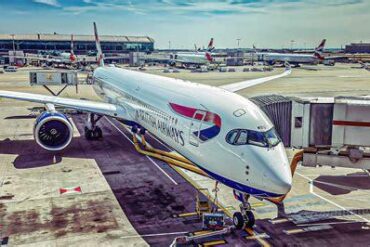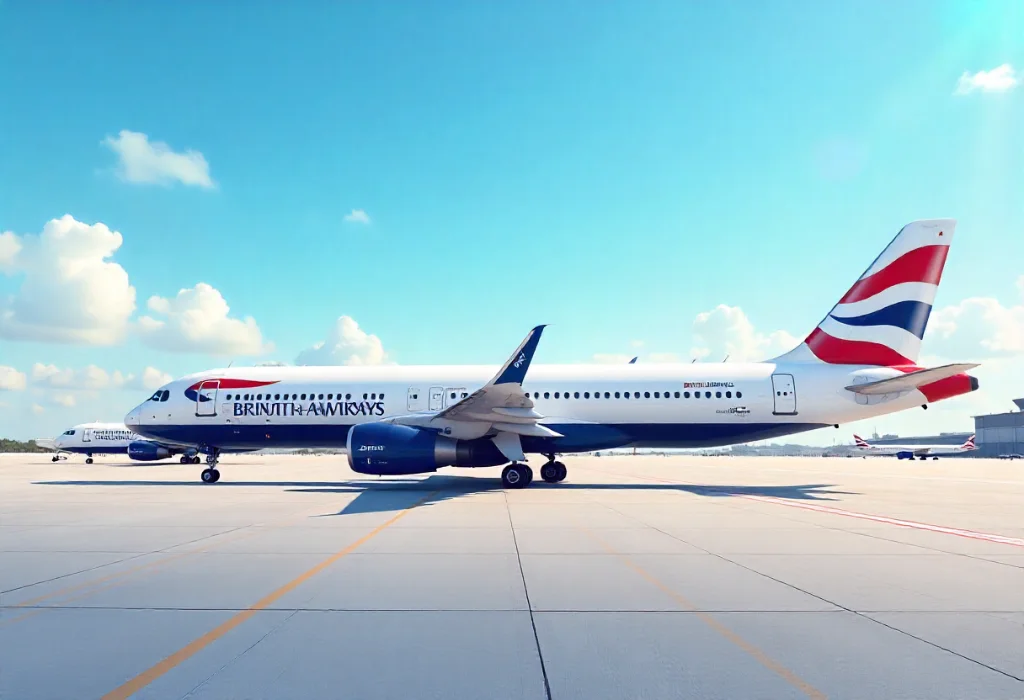
British Airways has joined a distinguished cohort of airlines—including Mexicana, Qantas, Royal Jordanian, Air Japan, TAAG Angola and the soon‑to‑launch Riyadh Air—in a sweeping livery overhaul that signals a transformative moment in aviation branding. As carriers seek to forge deeper emotional connections with passengers, these design updates marry modern aesthetics with cultural resonance, demonstrating how a fresh visual identity can elevate the travel experience from the moment travelers approach the aircraft.
Introduction: A New Era in Aviation Branding
The global aviation industry is witnessing an unprecedented wave of brand rejuvenation, driven by changing consumer expectations and the quest for competitive differentiation. British Airways’ decision to revamp its iconic tailfin after a quarter‑century is not an isolated gesture; it aligns with a broader trend where leading airlines harness sleek, minimalist designs, heritage motifs and cutting‑edge technology to convey their evolving values. From Air Japan’s celebration of Japanese craftsmanship to Riyadh Air’s royal purple and gold palette, these liveries serve as dynamic canvases that communicate each airline’s story and commitment to passenger experience.
British Airways Livery Renewal
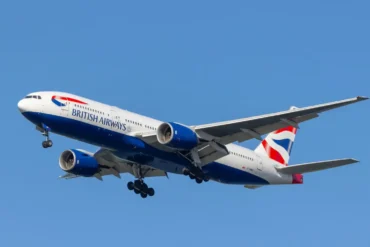
After 25 years of flying under the Chatham Dockyard tailfin—a design inspired by the Union Flag—British Airways is poised to unveil a speculative new exterior that will coincide with the arrival of its 24‑aircraft Boeing 777X order. The proposed livery aims to harmonize with BA’s already‑launched interior redesign, which debuted a luxurious new First Class suite in 2023 and will extend to the Airbus A380 fleet in 2025. By synchronizing interior and exterior aesthetics, BA intends to project a cohesive brand narrative that underscores its dedication to innovation and passenger comfort on long‑haul routes.
Rationale for Change: From Utopia to Chatham Dockyard and Beyond
British Airways’ branding journey began with the Utopia tailfin in the early 1990s, a bold experiment featuring global artistic designs intended to celebrate diversity. Public backlash and political criticism, including from former Prime Minister Margaret Thatcher, prompted a pivot to the Chatham Dockyard motif in the late 1990s. More than two decades later, that once‑celebrated design has begun to feel outdated amidst evolving trends emphasizing simplicity and flat graphics. The forthcoming update not only pays homage to BA’s British heritage but also refreshes its visual identity to resonate with a new generation of travelers.
Anticipated Design Elements and Heritage
Industry observers anticipate that British Airways will adopt a flat‑design approach, streamlining its logo and tailfin graphic while retaining essential national elements. A simplified Union Flag motif, rendered in a contemporary color palette, is expected to replace complex gradients and overlapping shapes. This pared‑down aesthetic aligns with digital branding best practices—ensuring legibility on mobile apps and in‑flight screens—while reinforcing BA’s storied legacy. By blending heritage symbols with modern minimalism, BA will project both authenticity and forward momentum.
The Boeing 777X Fleet Strategy
Central to BA’s fleet modernization is its landmark order for 24 Boeing 777X jets, originally scheduled for 2020 but now slated for delivery beginning in 2026. These next‑generation aircraft will phase out older long‑haul models and anchor British Airways’ global network strategy. The 777X family boasts the largest twin‑engine design in aviation history, offering enhanced fuel efficiency, extended range and reduced carbon emissions. Integrating this fleet with a fresh livery underscores BA’s commitment to sustainability, operational excellence and a premium passenger proposition.
Enhancing Passenger Experience at 35,000 Feet
The Boeing 777X represents more than a new paint scheme—it embodies a comprehensive upgrade to the in‑flight journey. Passengers will enjoy:
- Reimagined Cabin Layouts that prioritize spaciousness and privacy, with innovative seating configurations designed for restful long‑haul travel.
- Panoramic Windows that are 30% larger than those on previous-generation 777s, inviting abundant daylight and expansive views at cruising altitude.
- Quiet Engine Technology featuring GE9X turbofans, which reduce cabin noise levels by up to 15 decibels, fostering a tranquil environment conducive to work or relaxation.
- State‑of‑the‑Art Entertainment and Connectivity, including high‑definition screens, faster Wi‑Fi and USB‑C power outlets at every seat, enabling seamless streaming and productivity.
By integrating these advancements, British Airways seeks to redefine customer expectations for comfort, technology and wellness during extended flights.
A Legacy of Branding Evolution
British Airways’ visual identity has evolved in tandem with its operational milestones. The Utopia tailfin represented a hope for global unity; the Chatham Dockyard design symbolized national pride; and now, the anticipated flat‑design motif will reflect a digitally native and environmentally conscious era. Each iteration has been a response to shifting cultural dialogues and passenger sensibilities, illustrating how liveries serve as living artifacts of an airline’s heritage and aspirations.
Future Outlook: Sustainability, Comfort, and Competition
The convergence of a refreshed livery and the introduction of the Boeing 777X fleet positions British Airways to meet the dual imperatives of sustainability and competitive differentiation. With regulatory pressures intensifying on carbon emissions, BA’s adoption of more fuel‑efficient aircraft demonstrates environmental stewardship. Simultaneously, the cohesive brand refresh—from cabin to tailfin—fortifies BA’s market positioning against other major carriers and low‑cost disruptors, signaling a renewed focus on passenger-centric innovation.
Industry-wide Transformations in Livery
The renaissance in airline liveries extends far beyond British Airways. Key examples include:
- JetBlue (2023): Transitioned to an all‑blue fuselage with subtle purple accents on its A220 fleet, distilling its approachable personality into a streamlined, modern visual identity.
- Emirates (2023): Introduced a dynamic 3D gold graphic on its tailfin and enlarged its signature red logo, reinforcing its status as a symbol of luxury and opulence.
- Riyadh Air (2023 reveal; launch 2025): Unveiled a deep purple and gold livery at the Paris Airshow, channeling royal patronage and signaling its ambition to deliver premium service from inception.
- Air India (2023): Adopted golden window trim and vibrant heritage motifs under Tata Group stewardship, fusing traditional Indian artistry with contemporary design to reassert its global ambitions.
- Qantas (2023): Debuted its “Flying Art” series featuring Maringka Baker’s Indigenous artwork, using vivid patterns to celebrate Australia’s cultural heritage and foster community engagement.
- TAAG Angola (2024): Rolled out a fresh national symbol by featuring the Palanca antelope on its tail and winglets, incorporating bold colors inspired by Angolan fabrics to strengthen brand recognition.
These transformations underscore how liveries are not mere cosmetic flourishes but strategic tools for brand storytelling and market differentiation.
The Significance of Livery in Brand Identity
A thoughtfully designed livery transcends paint—it becomes a brand ambassador in motion, conveying trust, professionalism and emotional resonance. In an era where social media amplifies every travel moment, a striking exterior can spark passenger anticipation before onboarding and fuel organic promotion through shared images. Moreover, consistency between the livery and the in‑flight experience ensures that the brand promise extends from curbside to cabin, solidifying customer loyalty and enhancing perceived value.
Conclusion: Forging Emotional Connections Through Design
As British Airways and its peers embark on this wave of livery renewals, the aviation industry embraces a holistic approach to branding that balances heritage, innovation and sustainability. By refreshing exterior liveries in tandem with interior and fleet upgrades, airlines are redefining the travel narrative—transforming aircraft into flying expressions of brand ethos. For passengers, the result is a more cohesive, emotionally engaging journey; for airlines, it is a compelling pathway to remain relevant and competitive in the ever‑evolving world of global aviation.