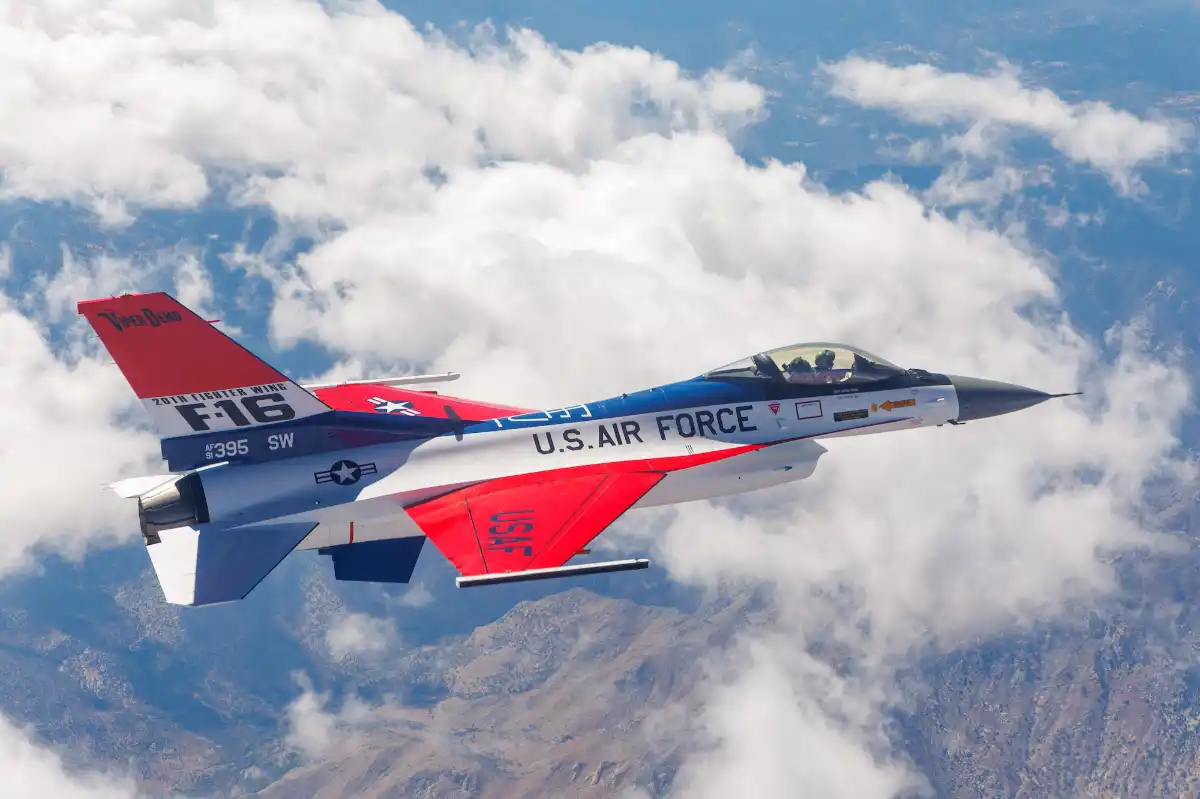
The F-16 Fighting Falcon is one of the most widely used multirole fighters in the world, serving in over 25 air forces globally. Its liveries—the unique paint schemes applied to each aircraft—serve multiple purposes, from enhancing stealth and reducing visibility to showcasing national pride and commemorating historical events. Over the years, F-16 liveries have evolved, influenced by combat requirements, technological advancements, and symbolic representation. This article explores the most iconic and functional liveries of the F-16, examining their significance and how they reflect each air force’s operational philosophy.
Standard Military Liveries
USAF Combat Schemes
Air Superiority Gray: One of the most commonly used liveries, this neutral gray scheme is optimized for air-to-air combat by reducing visual detection at high altitudes. It is standard for many U.S. Air Force F-16s operating in air dominance roles.
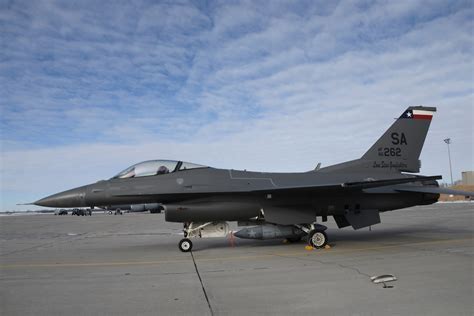
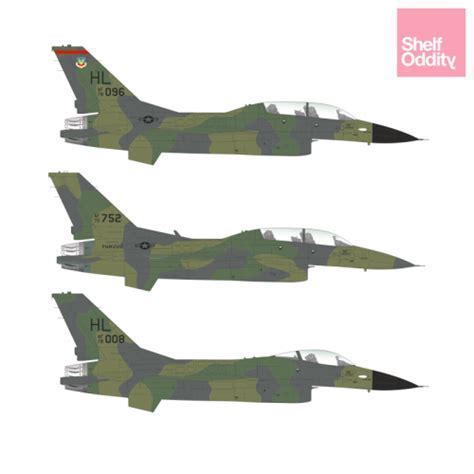
European One (Euro-1): A Cold War-era camouflage consisting of dark green, gray, and dark gray tones designed for operations in European terrains. This scheme was primarily used during the 1980s but has since been phased out.
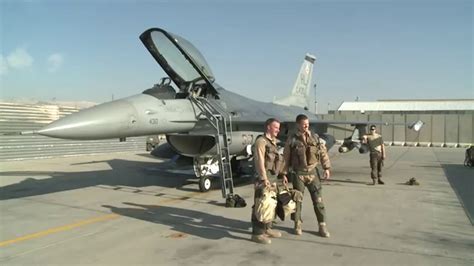
Hill Gray: Introduced in the late 1990s, this two-tone gray camouflage blends effectively across various terrains and remains a common sight on modern USAF F-16s.
International Air Force Liveries
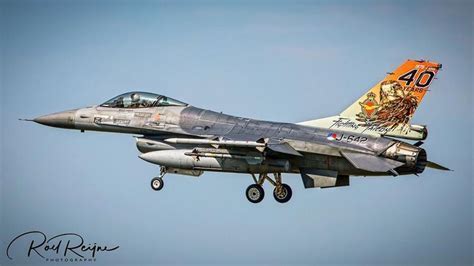
Royal Netherlands Air Force: Dutch F-16s feature standard NATO gray schemes but include orange tail stripes, representing the national color.
Israeli Air Force: The Israeli F-16 fleet is painted in a tan and brown desert camouflage to match Middle Eastern landscapes, improving survivability in low-altitude operations.
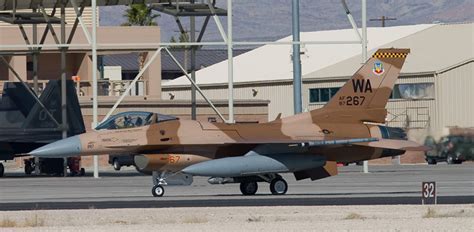
Republic of Korea Air Force: South Korea employs a digital “Lizard” camouflage pattern in gray and green, designed for a mix of urban and rural environments.
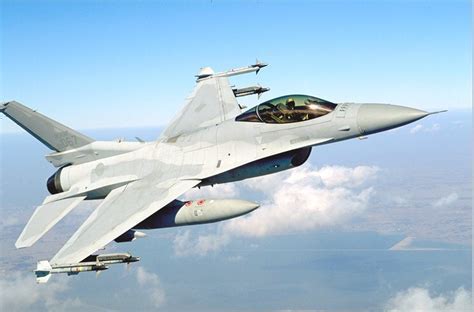
Aggressor Squadron Liveries
Aggressor squadrons use specialized paint schemes to replicate potential enemy aircraft, enhancing pilot training in simulated combat.
“Have Glass” Radar-Absorbent Coating: This metallic-gray finish incorporates radar-absorbent materials (RAM), reducing the aircraft’s radar signature while maintaining an intimidating aesthetic.
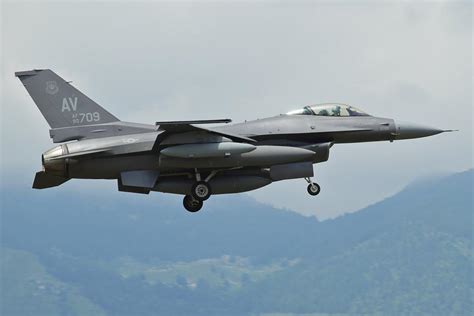
Russian-Style Aggressor Liveries: To replicate Soviet and Russian aircraft, some F-16s have been painted in blue, gray, or desert camouflage patterns, mimicking the Su-57 or MiG-29.
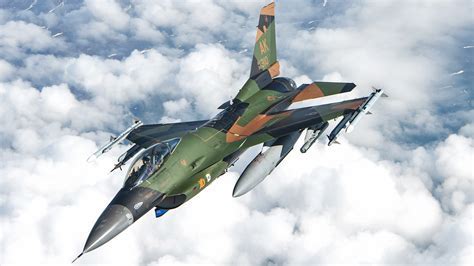
Commemorative & Special Liveries
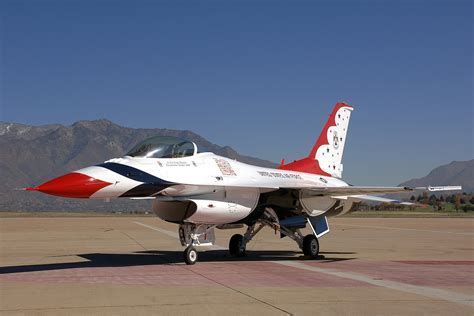
USAF Thunderbirds
The USAF Thunderbirds demonstration team uses a striking white base with red and blue accents, symbolizing the United States while ensuring high visibility for airshow spectators.
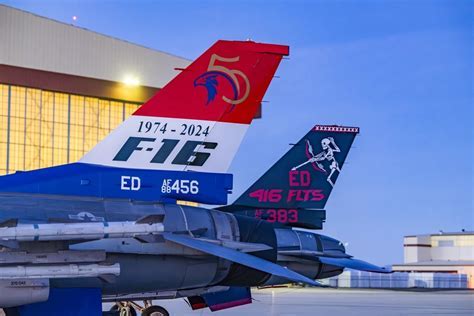
40th Anniversary Livery (2024)
A retro-striped design featuring a special “40 Years” tail logo was unveiled in 2024 to celebrate four decades of F-16 operations.
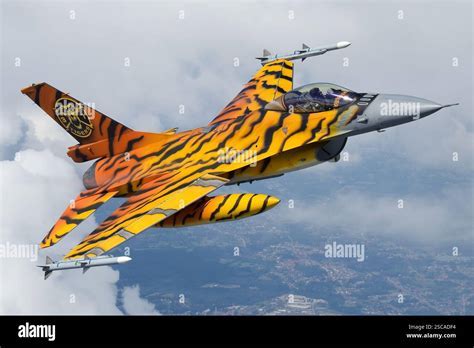
Belgian Air Force Tiger Stripe
Celebrating 50 years of F-16 service, Belgium introduced an orange-and-black tiger-stripe scheme for NATO’s Tiger Meet event.
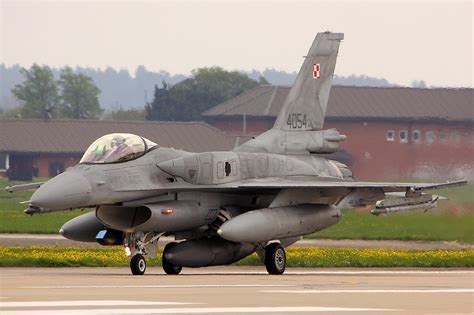
Polish Air Force Shark Teeth
Inspired by WWII fighter traditions, Polish F-16s feature shark mouth nose art, giving them a fierce battlefield presence.
Artistic & Custom Liveries
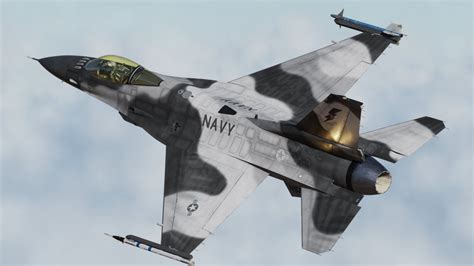
Alaska ANG “Arctic Camo”
To optimize visibility in snow-covered environments, the Alaska Air National Guard employs a white and dark gray Arctic camouflage pattern.
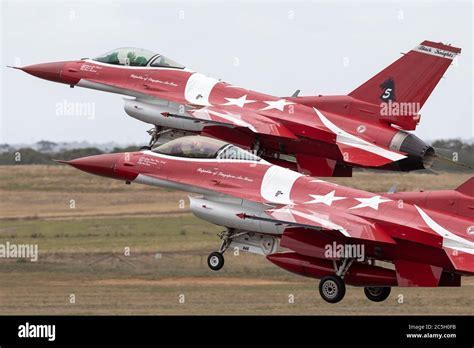
Singaporean Black Knights
The Black Knights aerobatic team showcases a sleek black-and-white checkered tail, making them a recognizable icon in aerial demonstrations.
Greek Air Force “Zeus” Design
Inspired by Greek mythology, this special livery features blue lightning streaks and a Zeus-themed nose art, emphasizing power and speed.

Where to Find F-16 Liveries
For enthusiasts looking to explore F-16 liveries, various sources offer detailed images and documentation:
- Aviation Photography: Websites like Airliners.net and JetPhotos showcase high-resolution images.
- Flight Simulators: Games like DCS World and Microsoft Flight Simulator feature accurate F-16 skins.
- Scale Model Kits: Companies like Tamiya and HobbyBoss produce highly detailed F-16 kits.
- Official Military Sources: Air force social media pages regularly feature updated livery designs.
Recent Updates (2023–2024)
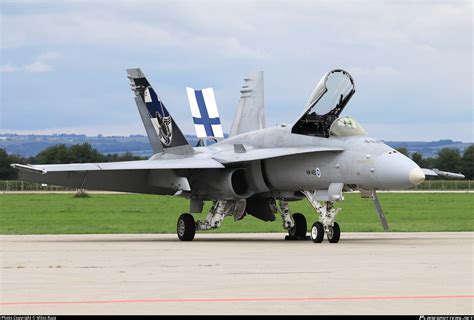
- Finland: Introduced a digital snow camouflage optimized for Arctic operations.
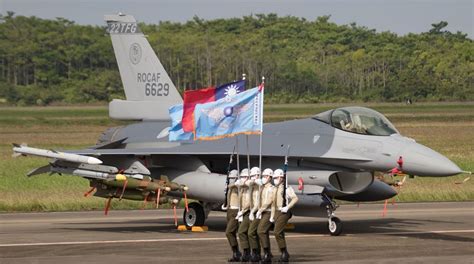
- Taiwan: Unveiled a “Fighting Phoenix” livery featuring flame motifs for its upgraded F-16V fleet.
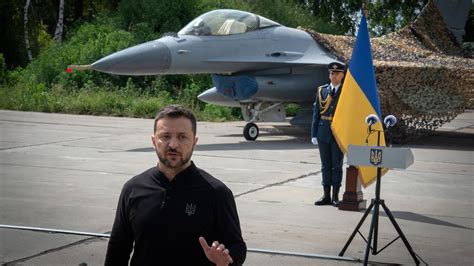
- Ukraine: Received F-16s with yellow-and-blue markings, symbolizing national identity.
Frequently Asked Questions (FAQ)
What is the purpose of different F-16 liveries?
Liveries serve both functional and symbolic purposes. Camouflage patterns reduce visibility in combat, while commemorative designs celebrate historical milestones, national identity, and military heritage.
Which F-16 livery is the rarest?
Special one-off anniversary schemes, such as the 40th Anniversary Livery, and aggressor squadron liveries designed to mimic enemy aircraft are among the rarest.
Can F-16 liveries be customized in flight simulators?
Yes, many flight simulator platforms allow users to apply custom skins, with community-created liveries available for download in DCS World, Microsoft Flight Simulator, and Falcon BMS.
F-16 liveries continue to evolve, reflecting technological advancements, mission adaptability, and the artistic expression of the aviation community. Whether for stealth, tradition, or celebration, these paint schemes ensure that the F-16 remains not only a formidable combat aircraft but also a canvas for military artistry.