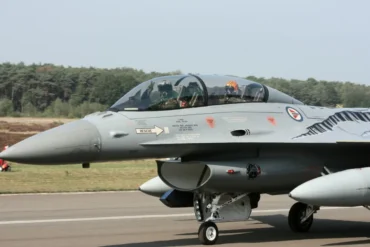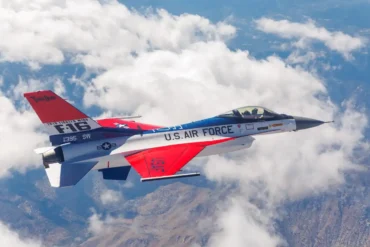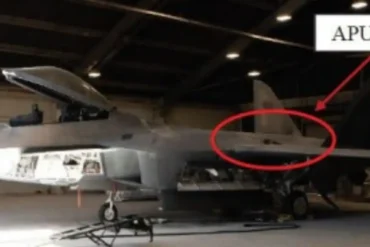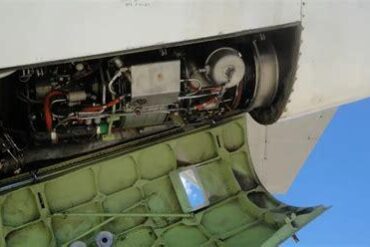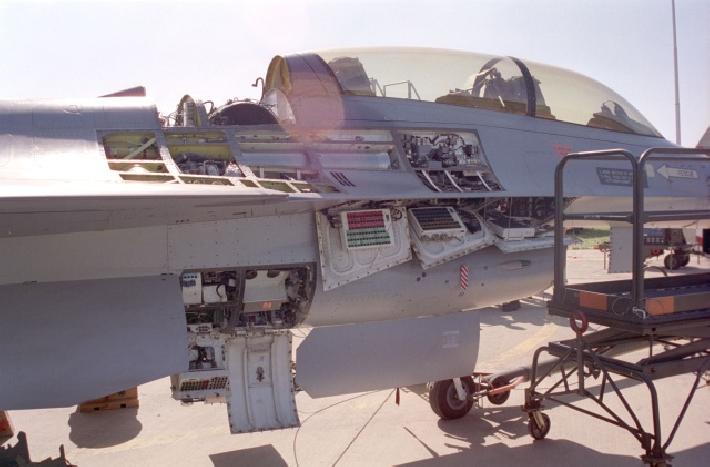
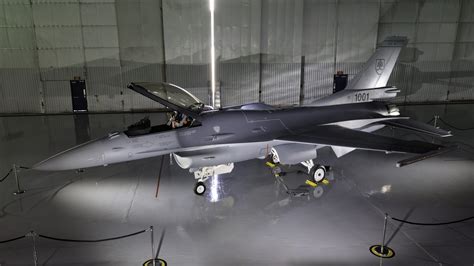
The F-16 Fighting Falcon is equipped with an Emergency Power Unit (EPU), a critical backup system designed to maintain flight control and electrical power in the event of an engine failure or electrical system malfunction. This system plays a crucial role in ensuring pilot survivability and mission success under emergency conditions.
Core Function and Fuel Type
The EPU provides emergency hydraulic and electrical power for approximately 10-15 minutes when the main engine fails. This short window allows the pilot to attempt an engine restart or execute an emergency landing. The unit is powered by hydrazine (H-70), a highly reactive and toxic compound commonly used in rocket fuels due to its high-energy output and rapid ignition properties.
Hydrazine Fuel Characteristics
- Toxicity: Hydrazine is extremely hazardous, requiring strict handling procedures to prevent exposure.
- Flammability: It is highly volatile, necessitating specialized storage and safety protocols.
- Energy Density: Its high power output ensures a rapid and reliable response when the EPU activates.
Modes of Operation
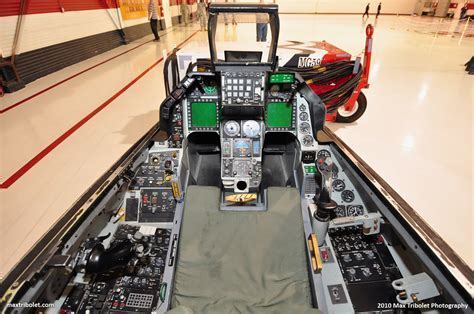
The EPU operates in three distinct modes, allowing for automatic or manual activation depending on the flight situation:
1. Normal Mode (NORM)
- The EPU continuously monitors engine performance.
- If the system detects engine shutdown while airborne, it automatically engages.
- Ensures seamless transition to emergency power without pilot intervention.
2. Manual Override Mode (ON)
- The pilot can manually activate the EPU at any time, regardless of system status.
- Used in critical situations where preemptive power supplementation is necessary.
- Overrides automatic fail-safes, ensuring availability in unique emergency scenarios.
3. Off Mode (OFF)
- The EPU is disabled to prevent accidental activation while the aircraft is on the ground.
- If switched off in-flight, the pilot must verify that both the main generator and backup generator are operational to avoid total power loss.
Engine Restart Procedures Supported by the EPU
If the F-16 experiences an engine failure, the EPU plays a vital role in sustaining flight control until the engine is restarted. Two primary restart methods are employed:
1. Windmill Restart
- The aircraft is placed into a controlled dive to increase airspeed.
- The airflow spins the engine compressor blades, increasing RPM to 20-25%.
- Fuel flow and ignition systems are engaged to restore engine functionality.
- This method is effective at higher altitudes and speeds.
2. JFS-Assisted Restart
- The Jet Fuel Starter (JFS) is engaged when altitude is below 20,000 feet and airspeed is under 400 knots.
- The JFS drives the hydraulic motor, which spins the engine turbine.
- Gradual acceleration leads to a successful engine restart.
- Used in scenarios where insufficient airspeed prevents a windmill restart.
Safety and Maintenance Requirements
Handling and Maintenance Procedures
- Maintenance crews must wear full chemical protective gear when working with hydrazine.
- Servicing should be performed in well-ventilated outdoor areas to minimize exposure risks.
- Proper leak detection protocols must be followed to prevent hazardous contamination.
Safety Incidents and Lessons Learned
In 2021, a severe hydrazine leak occurred during F-16V maintenance due to improper safety protocols. Eight technicians were hospitalized due to toxic exposure. This incident underscores the importance of:
- Strict adherence to protective procedures
- Mandatory use of full-body protective equipment
- Proper disposal of contaminated materials
Application in Modern F-16 Variants
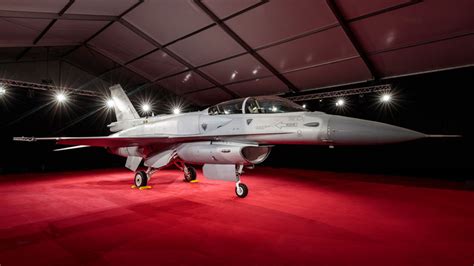
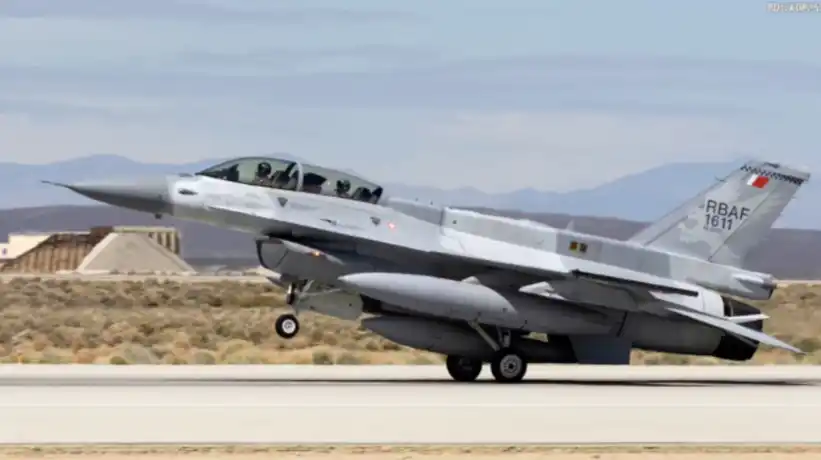
The EPU remains a standard safety feature across all modern F-16 variants, including the advanced F-16V Block 70/72. While newer technologies improve reliability, the EPU continues to serve as an essential redundancy measure. The U.S. Air Force mandates regular functional checks and rigorous crew training to ensure efficient emergency response.
Frequently Asked Questions
1. How often is the EPU tested during routine F-16 maintenance?
The EPU undergoes regular inspections and functional tests during scheduled aircraft maintenance. Ground testing involves simulated emergency activation to verify operational readiness.
2. What happens if the EPU fails during an emergency?
If the EPU malfunctions, the aircraft relies on the backup generator and hydraulic accumulators for limited control. Pilots are trained in alternative emergency landing procedures under such circumstances.
3. Why does the F-16 use hydrazine instead of other fuels?
Hydrazine offers rapid power activation, high energy density, and reliability in emergency scenarios. Despite its toxicity, its unique chemical properties make it the best option for critical power redundancy systems in high-performance military aircraft.
The F-16 Emergency Power Unit (EPU) is a vital safety component, ensuring continued operational control in critical situations. Proper handling, maintenance, and operational knowledge are essential for maximizing its effectiveness while minimizing risks.