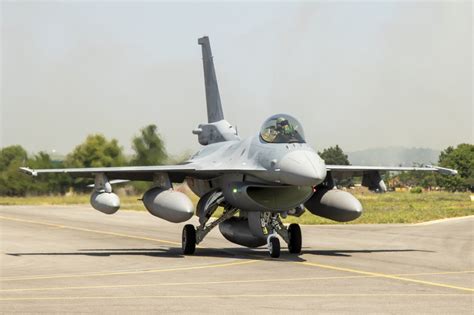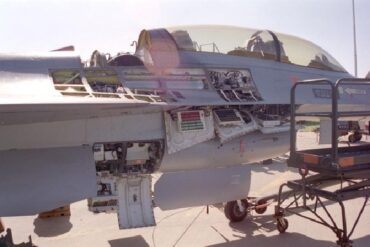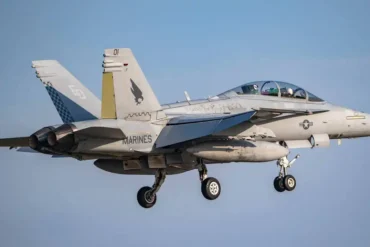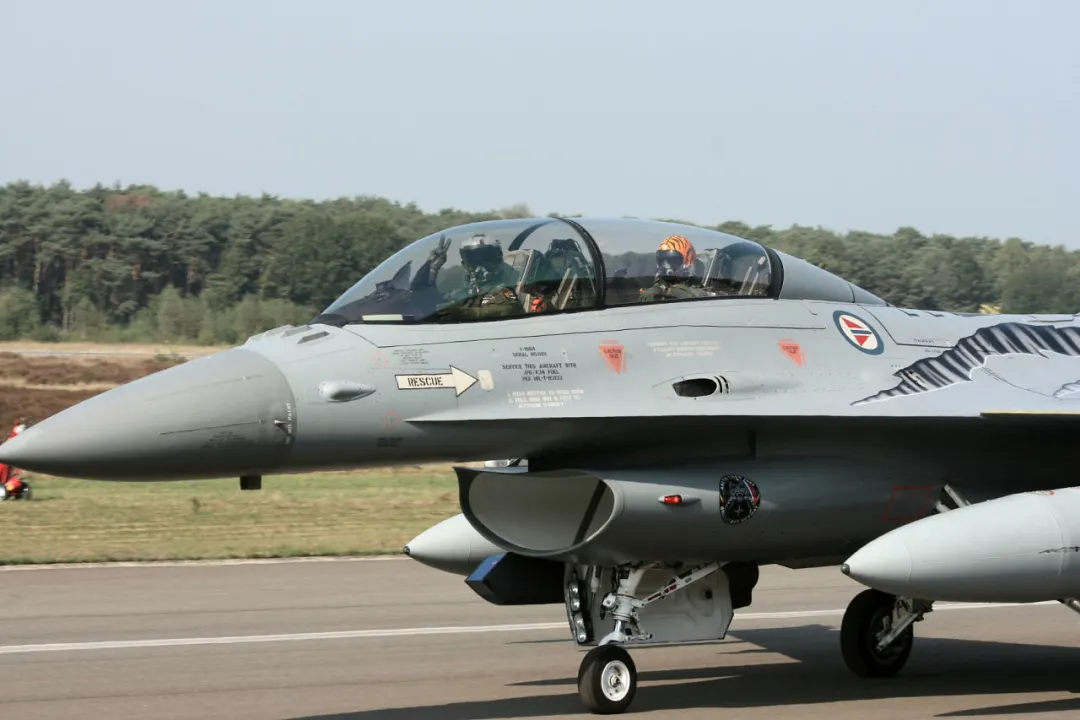
The F-16 Fighting Falcon is one of the most versatile and widely used fighter jets in the world. One of its key survival systems is the Emergency Power Unit (EPU), which ensures power and hydraulic support during critical failures. This system relies on hydrazine (N2H4), a highly reactive and toxic fuel, to generate emergency power in extreme situations. Understanding the role, risks, and safety measures associated with hydrazine-based EPU operation is crucial for flight safety and maintenance procedures.
The Role of Hydrazine in the F-16 Emergency Power Unit (EPU)
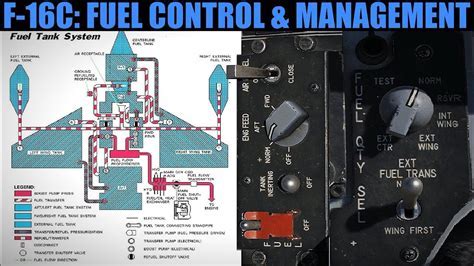
The EPU is an independent system designed to activate when the primary and backup power sources of the F-16 fail. In the event of a total power loss, hydrazine undergoes a catalytic decomposition reaction, producing high-temperature gases that drive a small turbine. This turbine, in turn, generates the electrical and hydraulic power necessary to maintain flight controls and essential systems.
Key Functions of the EPU:
- Emergency Power Supply: Provides electricity and hydraulic pressure when the main generator and backup systems fail.
- Engine Restart Assistance: Supports critical systems while the pilot attempts to restart the F100-PW-229 or F110-GE-129 engine.
- Flight Control System Integrity: Ensures minimal operational control for safe recovery or emergency landing.
- Automatic Activation: Engages when required, minimizing pilot workload during emergencies.
Under normal conditions, the EPU remains inactive. However, when triggered, it provides approximately 10–15 minutes of emergency power, depending on hydrazine quantity and aircraft flight conditions.
Chemical Properties and Risks of Hydrazine
Toxicity and Corrosiveness
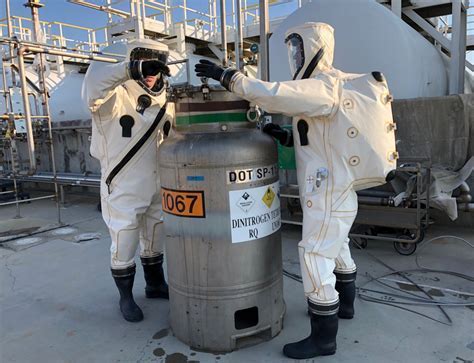
Hydrazine is an extremely hazardous chemical with severe health and environmental risks. It is highly toxic, volatile, and corrosive, requiring strict handling procedures to prevent exposure. The compound is a strong reducing agent, reacting violently with oxidizers and decomposing exothermically.
- Health Risks: Exposure can cause severe respiratory distress, liver and kidney damage, neurological disorders, and even death.
- Flammability: Although hydrazine is not inherently flammable, it decomposes into gases that can ignite under high temperatures.
- Corrosive Nature: Hydrazine can damage metal surfaces, rubber seals, and electrical components over prolonged exposure.
- Absorption Risks: The chemical can be absorbed through skin contact, inhalation, or ingestion, making protective equipment mandatory.
EPU Activation Scenarios in Combat and Emergency Situations
1. Engine Failure
A primary scenario where the EPU engages is during an engine flameout or failure. If the F-16’s Pratt & Whitney F100 or General Electric F110 engine ceases operation mid-flight, the EPU immediately provides the necessary power to sustain critical avionics, hydraulic controls, and electrical systems. Pilots can then attempt to restart the engine using the Jet Fuel Starter (JFS) or windmilling restart techniques.
2. Generator Malfunction
If both the main generator and backup generator fail, the aircraft would typically lose essential flight control functions. The EPU steps in as a temporary power source, but once hydrazine is depleted, the system can only rely on battery reserves.
3. Hydraulic System Failures
The F-16 relies on two hydraulic systems (A & B) for landing gear operation, control surfaces, and braking mechanisms. If either system fails, the EPU can provide temporary hydraulic pressure, allowing the pilot to maintain control and execute an emergency landing.
Safety Measures and Maintenance Protocols
Ground Crew Precautions
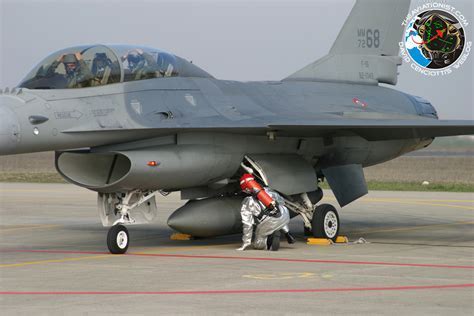
Since hydrazine is extremely toxic, maintenance crews follow stringent safety protocols when handling the EPU and its fuel storage system:
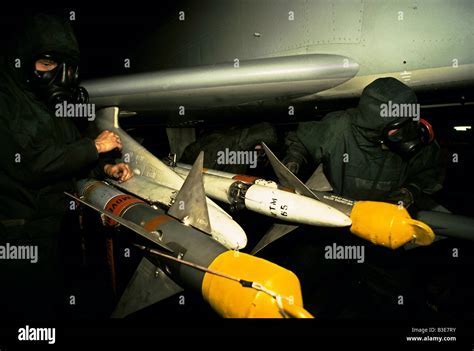
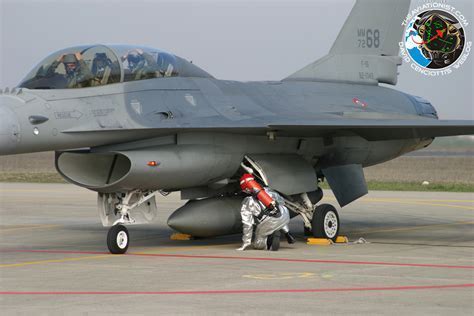
- Protective Equipment: Personnel must wear full-body protective suits, gloves, and self-contained breathing apparatus (SCBA) to prevent exposure.
- Safe Handling Procedures: Hydrazine refueling and system maintenance require isolated areas with proper ventilation.
- Emergency Response Plans: Any detected hydrazine leaks trigger immediate evacuation, decontamination, and chemical neutralization procedures.
EPU Safety Mechanisms
The EPU system is designed with multiple safeguards to prevent accidental activation or unintended leaks:
- Safety Pin Insertion: Before ground maintenance, a safety pin is inserted into the EPU to prevent accidental startup.
- Leak Detection Sensors: Modern F-16 variants (Block 50/52 and Block 70/72) include sensors that monitor for hydrazine leaks and automatically initiate safety procedures.
- Automated Shutoff: If operational anomalies occur, the EPU can automatically deactivate to prevent excess hydrazine consumption or hazardous exposure.
Notable Hydrazine-Related Incidents
Taiwan’s Hanxiang Corporation Hydrazine Leak (2024)
During the F-16V upgrade program, an accident at Hanxiang Corporation in Taiwan resulted in a hydrazine leak, exposing eight workers to toxic fumes. The individuals were hospitalized, highlighting the serious health hazards of mishandling hydrazine-based systems.
2015 US Military Hydrazine Exposure Incident (Korea)
A US F-16 emergency landing in South Korea led to an EPU activation and subsequent hydrazine leak. Decontamination teams were required to neutralize chemical residue, delaying runway operations.
2008 USA-193 Satellite Destruction Operation
The US military launched an SM-3 missile to destroy the defunct USA-193 reconnaissance satellite, which contained hydrazine propellant. The operation was executed to prevent hazardous exposure upon atmospheric re-entry.
Frequently Asked Questions (FAQ)
1. How does the F-16 EPU work in case of an emergency?
The Emergency Power Unit (EPU) activates automatically when both primary and backup power systems fail. It decomposes hydrazine into high-temperature gases, driving a turbine that generates emergency electrical and hydraulic power for approximately 10–15 minutes.
2. What are the risks of handling hydrazine in F-16 maintenance?
Hydrazine is highly toxic, corrosive, and volatile. It can cause respiratory distress, neurological damage, and severe burns upon exposure. Maintenance crews must wear protective gear and follow strict safety guidelines to avoid contamination.
3. Can the EPU be manually activated by the pilot?
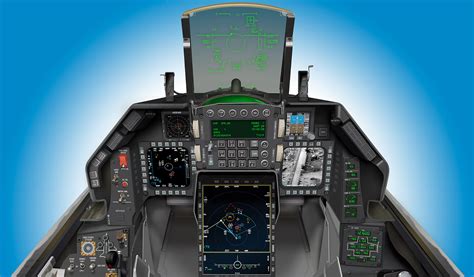
Yes, the EPU switch in the F-16 cockpit allows pilots to manually activate the system if needed. However, in normal operations, it automatically engages when system failures occur.
Conclusion
The hydrazine-powered EPU is a critical component of the F-16’s emergency system, ensuring flight safety during power failures. However, stringent handling protocols and risk mitigation measures are necessary due to the chemical’s toxicity. Modern F-16 upgrades, such as Block 70/72 models, have enhanced monitoring and safety features, but hydrazine remains the primary emergency power fuel, underscoring its enduring importance in combat aviation.