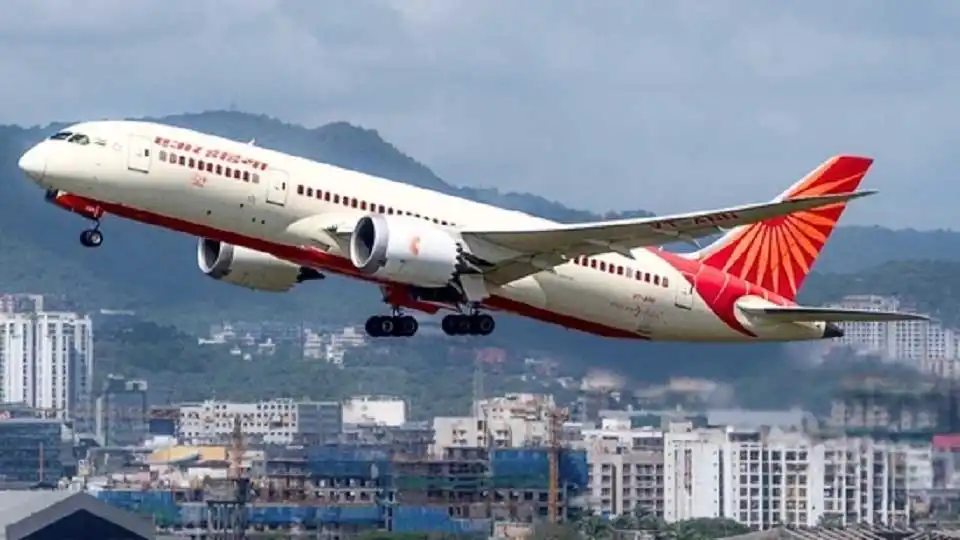
In a startling incident that unfolded on June 30, 2025, an Air India flight (AI357) traveling from Tokyo to Delhi was forced to make an emergency landing in Kolkata after alarming reports surfaced regarding unusually high temperatures within the cabin. This Boeing 787 aircraft had just departed from Haneda Airport when crew members detected an escalating cabin temperature, prompting the immediate decision to divert the flight for safety considerations. Fortunately, the aircraft landed without incident in Kolkata, and remarkably, no injuries were reported among the passengers or crew.
The emergency landing was executed as a precautionary measure, reflecting the airline’s commitment to prioritize the safety of all individuals on board. In a subsequent statement, Air India confirmed the diversion, assuring that ground staff in Kolkata were ready to assist the passengers upon landing. Understandably, many travelers were left shaken, as the uncomfortable elevated cabin temperatures had created a distressing environment during their journey. This incident raises significant concerns about the ongoing airworthiness of commercial aircraft and underscores the critical importance of prompt responses to ensure passenger well-being.

Another Incident Raises Safety Concerns
The emergency landing in Kolkata was not an isolated occurrence. Just a day prior, another Air India flight, AI639, operating on the Mumbai-Chennai route, experienced a similar scare. That flight had to return to its departure airport mid-flight due to reports of a burning smell, which understandably caused significant concern among passengers. Thankfully, that flight also landed safely. While both incidents were distinct in nature, they collectively raise pertinent questions regarding the reliability of onboard systems and the importance of rigorous maintenance protocols to prevent safety-related disruptions.
In light of these events, Air India has assured concerned passengers that investigations are underway to ascertain the root causes behind both incidents. The Civil Aviation Ministry and the Directorate General of Civil Aviation (DGCA) have been informed and are actively reviewing the circumstances surrounding these occurrences. The investigations aim to identify any underlying issues and ensure that measures are implemented to prevent similar events in the future.
What Travelers Should Do
As passengers prepare for upcoming flights with Air India, there are several proactive steps they can take to enhance their comfort and safety during air travel:
- Stay Informed: Always check the status of your flight before departure. Delays or diversions can occur, and being updated on any changes is crucial, particularly when safety concerns arise. Airlines often provide real-time updates through mobile apps, text messages, or at the airport.
- Prepare for the Unexpected: Carry essential items such as snacks, water, and medications in case of delays or unexpected diversions. Passengers impacted by the overheating incident in Kolkata may have faced prolonged discomfort, so having personal supplies can significantly improve the experience.
- Report Concerns Promptly: If you notice any issues, especially related to cabin conditions such as unusual temperatures or smells, report them immediately to the flight attendants. Your observations may assist the crew in taking early action to address potential safety problems.
- Be Aware of Your Surroundings: In the event of an emergency landing, remaining calm and following instructions from flight attendants is critical. They are trained to handle such situations, and maintaining composure will facilitate an appropriate response.
The Impact on Travelers: Disruptions and Safety Concerns
For passengers aboard Air India flight AI357, the emergency landing in Kolkata likely resulted in significant disruptions to their travel plans. Many of these travelers, en route to Delhi from Tokyo, may have faced tight schedules or connecting flights, making the diversion and wait in Kolkata particularly inconvenient. Business travelers, who often rely on timely arrivals, were undoubtedly affected by the unexpected delay. However, it is essential to acknowledge that ensuring passenger safety remains the top priority for airlines.
While incidents like these can cause frustration and delays, the decision to land the aircraft early was undoubtedly the correct one to safeguard the well-being of passengers. Air India’s swift response and the support provided by ground personnel in Kolkata helped mitigate further risks and ensured that passengers were well cared for upon arrival.
For travelers, such incidents can naturally trigger concerns about the overall safety and reliability of air travel. Nonetheless, it is vital to recognize that aviation remains one of the safest modes of transportation, supported by rigorous safety protocols designed to manage emergencies effectively. The airline industry continuously prioritizes passenger safety, with both Air India and regulatory bodies like the DGCA committed to upholding stringent safety standards.
Long-Term Effects on Air India’s Reputation
Although the emergency landing in Kolkata was handled efficiently, such incidents could potentially impact Air India’s reputation among passengers, particularly those directly affected by the disruptions. Flight delays, diversions, and safety concerns can lead to dissatisfaction, prompting travelers to reconsider their choice of airline in the future if they feel their safety is compromised. However, it is equally important to acknowledge that such occurrences are relatively rare, and airlines typically take immediate action to rectify any issues.
Air India’s response, including the ongoing investigation, will play a crucial role in shaping the long-term effects of this event on the airline’s public image. Ensuring that appropriate measures are taken to address any underlying issues and prevent similar incidents in the future will be key to maintaining passenger trust and confidence.
Conclusion: The Importance of Passenger Safety
The recent emergency landing in Kolkata serves as a stark reminder that passenger safety must always remain the paramount concern in air travel. For sports travelers and other passengers alike, these events highlight the necessity of vigilance and preparedness when flying, especially in the face of unforeseen disruptions. While the inconvenience of delays and diversions can be exasperating, understanding that these measures are implemented to protect passengers from potential harm is essential.
For those affected by this incident, taking proactive steps to stay informed and prepared can help alleviate the impact of such disruptions. Furthermore, this situation underscores the unwavering commitment of airlines like Air India to prioritize passenger safety, ensuring that suitable measures are enacted when incidents occur. As investigations continue, the hope remains that these events will catalyze enhancements in flight safety, ultimately providing travelers with greater peace of mind in the skies.