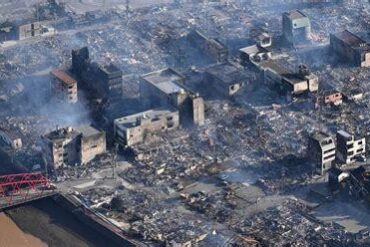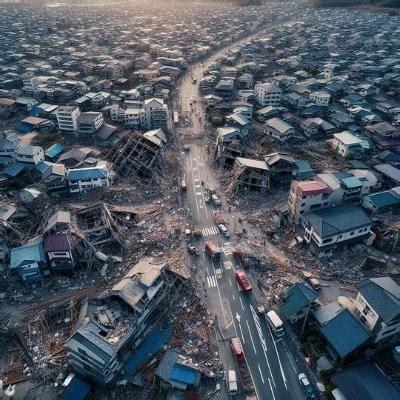
As summer approaches, many South Korean travelers are reevaluating their plans to visit Japan due to rising concerns about potential earthquakes. Speculation surrounding a rumored major earthquake set to strike on July 5 has spread like wildfire across social media platforms, prompting travelers to rethink their trips amid fears fueled by both folklore and recent seismic activity. While the excitement of visiting Japan during its peak travel season is palpable, with airfares plummeting to around 100,000 Korean won, the growing anxiety over earthquake predictions has led some to defer their travel plans. A South Korean office worker expressed, “It’s the busiest travel season, and the air ticket prices have decreased significantly, but my family and friends are advising me not to travel given the earthquake rumors.”
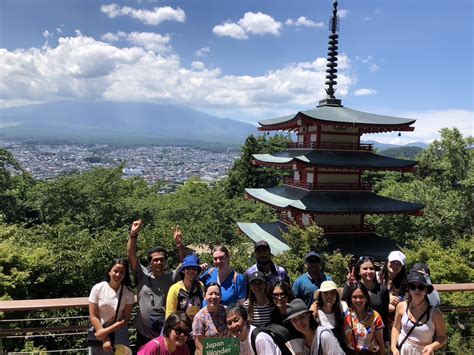
In light of these fears, online discussions have surged, with many potential tourists seeking information on emergency readiness and evacuation procedures. The recent phenomenon of earthquake swarms—clusters of minor tremors—has exacerbated public concern, particularly in regions like the Tokara Islands near Kagoshima Prefecture. Between June 21 and 27, nearly 500 tremors of magnitude 1 or higher were recorded by the Japan Meteorological Agency and the U.S. Geological Survey. Notably, 25 of these earthquakes exceeded a magnitude of 4, with some reaching as high as 5. While these quakes have not caused significant damage, their frequency has captured the attention of those monitoring seismic activity, raising alarms among travelers.
Adding to the unease is the recent sighting of deep-sea fish, particularly the oarfish, which is often regarded as a harbinger of earthquakes in Japanese folklore. Typically residing at depths of 400 to 500 meters, these long, serpent-like fish have been spotted closer to the surface near Busan, South Korea. Fishermen believe that the appearance of the oarfish signals impending seismic events, a belief steeped in superstition linked to the “Dragon King” of the sea, who governs oceanic fate.
Rumors or Reality? The “July Megaquake” Theory
The speculation regarding a possible megaquake on July 5 is largely attributed to the Japanese comic book The Future I Saw, authored by Ryo Tatsuki. The artist garnered attention in 2011 for allegedly predicting the Tohoku Earthquake and Tsunami. In her latest narrative, Tatsuki depicts a catastrophic event slated for July 2025, leading many to connect this fictional portrayal with the current uptick in seismic activity. However, experts have stepped in to provide clarity, attempting to demystify the situation. Professor Hong Tae-kyung, a specialist in earth system science at Yonsei University, remarked that while Japan is indeed a tectonically active area with inherent earthquake risks, pinpointing the exact timing of significant seismic events is virtually impossible. “Seismic risk is a constant factor, and preparedness is crucial,” noted Professor Hong. He reassured that despite the unusual frequency of smaller quakes, this does not necessarily indicate an imminent larger earthquake.
The Nankai Trough Earthquake: An Ever-Present Threat
Japan’s officials are diligently monitoring seismic trends, particularly concerning the Nankai Trough, a region historically susceptible to massive earthquakes. The last major earthquake in this area occurred in the 1940s, yet the threat remains significant, with a government report released earlier this year estimating an 80 percent likelihood of a Nankai earthquake within the next three decades. The potential ramifications of such an event are staggering, with projections suggesting that up to 298,000 lives could be lost and extensive damage inflicted on infrastructure. Despite these alarming statistics, Professor Hong emphasizes the unpredictability of the timing of a Nankai earthquake. “It’s essential to be prepared now rather than later,” he advised, underscoring the importance of vigilance for travelers, even amidst uncertain earthquake forecasts.
What Travelers Should Know
For those planning to visit Japan this summer, staying informed about seismic activity and emergency protocols is paramount. While rumors of an impending earthquake on July 5 lack substantial evidence, the potential for significant seismic events in the future cannot be disregarded. Japan’s geographical positioning along the Pacific Ring of Fire inherently exposes it to earthquake threats, making awareness of safety measures crucial for visitors. The Japanese government and local authorities continuously update earthquake warnings and emergency protocols, ensuring that tourists have access to vital information. It is advisable for travelers to familiarize themselves with local evacuation routes, emergency shelter locations, and safety instructions in case of an earthquake. Additionally, keeping abreast of official news channels for updates on seismic activity will be beneficial.
Despite the heightened anxiety surrounding these concerns, experts urge travelers not to let panic dictate their decisions. Instead, maintaining a focus on preparedness and taking proactive steps to ensure personal safety in the event of an emergency is essential.
Conclusion
As summer travel season nears, the juxtaposition of thrilling adventures in Japan against the backdrop of potential seismic threats presents a unique dilemma for travelers. Although the widespread speculation surrounding an imminent earthquake has stirred unrest among travel enthusiasts, experts assert that while Japan is indeed prone to earthquakes, the specific timing and occurrence of such events remain unpredictable. Travelers intending to journey to Japan are encouraged to stay updated, remain vigilant, and prioritize their safety by familiarizing themselves with the locality’s emergency measures. By doing so, they can enjoy their travel experience while being prepared for any unforeseen circumstances.