Amidst escalating tensions in the Middle East, particularly the ongoing conflict between Israel and Iran, travellers are left grappling with questions regarding the safety of their holiday plans in this historically rich yet complex region. With airspaces closed, flights cancelled, and numerous countries facing heightened travel advisories, many tourists are turning to the UK Foreign Office for guidance on whether it is prudent to visit popular destinations like Turkey. Despite significant unrest in various Middle Eastern nations, including military actions and border conflicts, Turkey continues to emerge as a favored choice for UK citizens, drawing over 4.43 million visits in 2024 alone.
Current Travel Advisories for Turkey
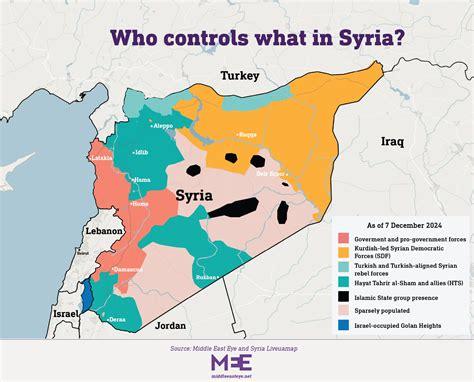
As of now, the UK Foreign Office has not issued a travel ban or advisory against visiting Turkey, maintaining that it remains one of the safest and most welcoming destinations for international tourists. It’s important to acknowledge, however, that while the tensions between Israel and Iran have not directly impacted Turkey, there are advisories against travelling within 10km of the Syrian border. This caution stems from security concerns related to military operations and potential border conflicts. The UK Foreign Office continues to monitor the situation closely, advising travellers to stay updated with the latest information. Most areas of Turkey, especially popular tourist locations such as Istanbul, Bodrum, and Marmaris, are deemed safe and tourist-friendly.
Regional Unrest and Its Implications
The ongoing conflict between Israel and Iran has created ripples of uncertainty across neighbouring regions, including Jordan, Dubai, and, to an extent, Turkey. In Jordan, airspace was temporarily closed, and tourists have been advised to remain vigilant and adhere to local safety instructions. However, despite concerns about spillover effects from the conflict, both Jordan and the UAE have experienced minimal disruptions. The UK Foreign Office has confirmed that these countries remain open for travel, albeit with specific warnings for certain border areas. Travellers are encouraged to monitor local news, heed the instructions of local authorities, and be prepared for sudden changes, such as air raid sirens or abrupt airspace closures.
The Hot Air Balloon Incident in Cappadocia
In recent news, Turkey has made headlines not due to geopolitical tensions but because of a tragic incident involving two hot air balloons in the scenic region of Cappadocia. This accident, which resulted in one fatality and several injuries, has understandably raised concerns. Nevertheless, it is crucial to recognize that this event is isolated and does not reflect the overall safety environment in Turkey. Hot air balloon tourism continues to thrive in Cappadocia, and the UK Foreign Office has refrained from updating its travel guidance in light of this incident. Local authorities are actively reviewing safety measures, ensuring that the tourism sector remains robust despite this unfortunate occurrence.
Refund Policies for Cancelled Trips
For travellers contemplating cancelling their trips to Turkey amidst fears of regional instability, the UK Foreign Office has not issued a blanket warning against travel to Turkey. Consequently, travel insurance providers are likely to deny claims for cancellations based solely on safety concerns unless an official advisory is issued. It is advisable for those considering cancellation to contact their airlines and travel insurance providers for specific guidance. Without an official advisory, travellers may face penalties or loss of payment, as airlines and hotels are not obligated to provide refunds for trips that are not officially cancelled by governmental bodies.
Future Outlook for Travel to Turkey
As the geopolitical landscape evolves, it is essential for travellers to stay informed through official channels, adhere to local advisories, and keep an eye on any changes affecting safety. The UK government’s stance on Turkey has remained favorable, with major cities and tourist destinations operating normally. Turkey’s vibrant tourism industry, paired with its welcoming atmosphere and rich cultural heritage, is expected to continue attracting international visitors. As travel resumes globally post-pandemic, Turkey is poised to maintain its status as a vital player in the tourism sector, benefitting from its open borders and tourist-friendly policies.
Conclusion: Turkey Remains a Safe Destination
Despite the ongoing unrest in surrounding countries, Turkey stands out as one of the safest and most appealing travel destinations in the region. The UK Foreign Office emphasizes that most areas of Turkey are secure for tourists, with only the border regions near Syria warranting caution. While other nations in the vicinity may experience heightened security measures or temporary disruptions, Turkey continues to serve as a prominent destination for those seeking a cultural escape, rich history, and breathtaking landscapes. As global tourism seeks to recover, Turkey’s allure remains strong, promising an enriching experience for travellers worldwide.