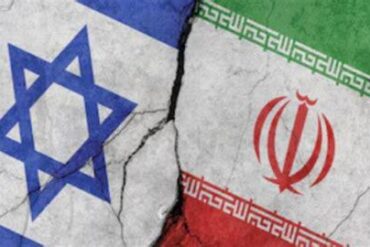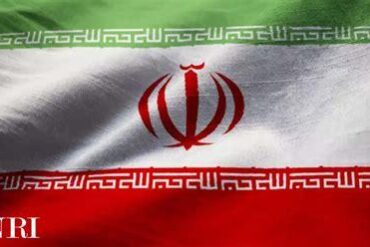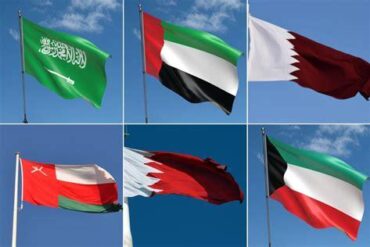
As regional instability heightens in the Middle East following recent military exchanges between Israel and Iran, Turkey has issued a new travel advisory aimed at UK tourists. This move comes amid fears of potential spillover effects despite Turkey not being directly involved in the military conflict. The UK Foreign, Commonwealth and Development Office (FCDO) has also updated its guidance, urging British nationals to exercise heightened caution while traveling to Turkey, particularly in regions near its volatile borders.
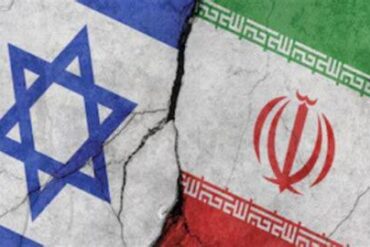
The advisory emerges in the wake of a significant escalation that began on June 22, 2025, when the United States launched airstrikes on three Iranian nuclear sites. Iran retaliated promptly with missile strikes targeting the US military base in Qatar, prompting a wave of international concern. Though a ceasefire was announced between Israel and Iran on June 24, experts caution that the geopolitical situation remains fluid and potentially dangerous.
Regional Tensions and Their Proximity to Turkey
Turkey’s geographic location—straddling Europe and Asia—places it in close proximity to several conflict-prone regions. Despite not being a direct participant in the Israel-Iran hostilities, Turkey borders both Syria and Iran, making it susceptible to the indirect consequences of broader regional unrest. The risk is especially elevated in the country’s southeastern and eastern provinces, where tensions and security threats have historically fluctuated.
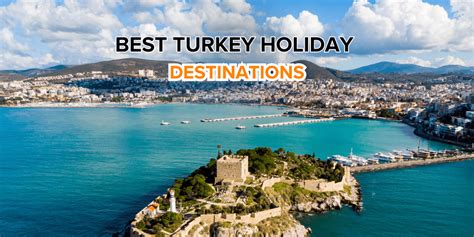
The FCDO has stressed that while popular tourist destinations such as Istanbul, Antalya, Bodrum, and Marmaris remain safe, the same cannot be said for areas closer to conflict zones. It is here where heightened vigilance is not just recommended—it is imperative.
Border Region Restrictions: What Travelers Must Know
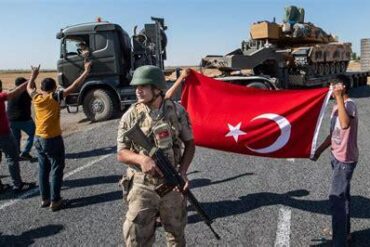
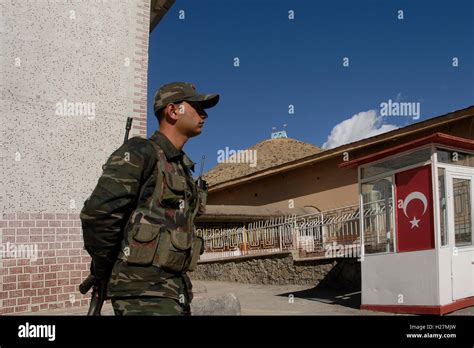
The FCDO advises against all travel within 10 kilometers of the Syrian border, citing elevated risks of conflict spillover and terrorist activities. This includes regions such as Hatay Province, which has already seen intermittent road closures and shifting security conditions. Travelers in this zone should expect a significant military presence and unpredictable travel conditions, with localized warnings that can change rapidly.
In Hakkari Province, bordering Iraq and Iran, all visitors are required to obtain special permission from the local Governor’s Office. Similarly, travel to areas near Mount Ararat in Ağrı Province demands prior authorization from the Doğubayazıt government office, due to its classification as a special military zone. Unauthorized entry into these regions may lead to detainment or fines by Turkish authorities.
Insurance and Legal Risks for UK Travelers
Travelers are urged to review their travel insurance policies carefully, as most providers will not cover medical or emergency costs if the traveler visits areas marked as off-limits by the FCDO. This can include medical evacuation, hospitalization, and even repatriation. Furthermore, some insurers may void the entire policy if you enter a restricted zone without proper authorization.
For those organizing trips near sensitive regions, it’s advisable to book through licensed travel agencies that can assist with the bureaucratic process and ensure all permits are in place. If traveling independently, maintaining direct communication with local authorities and regularly checking government websites for updated advice is crucial.
Embassy Protocols for Border Crossings
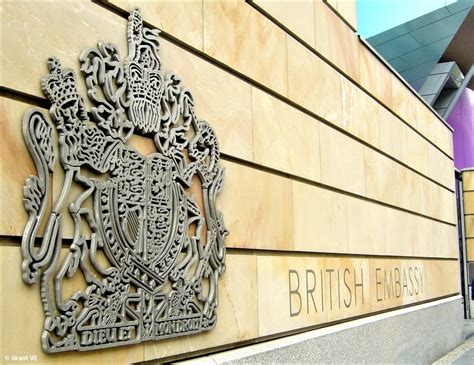
Crossing into Turkey from Iran by land is strongly discouraged unless absolutely necessary. For British nationals, the British Embassy in Ankara must be contacted before attempting any such crossing. Iranian authorities have reportedly detained individuals with British ties, especially those perceived to have political or intelligence affiliations. The embassy can provide critical assistance, but the risks remain substantial.
UK nationals already in Iran and planning to enter Turkey are advised to carefully coordinate with both Turkish and British officials. The threat of arbitrary detention is real, and crossing without the necessary precautions could result in severe legal consequences.
Domestic Unrest and Urban Demonstrations in Turkey
Beyond its border regions, Turkey has seen a resurgence of protests, especially in Istanbul, in recent months. These demonstrations often concern political grievances or regional conflicts, and they can rapidly escalate. According to the FCDO, tourists should avoid any large gatherings, as they frequently prompt a forceful response from law enforcement, including the use of tear gas and water cannons.
If you find yourself near a protest, it is recommended to immediately leave the area and seek shelter in a secure location. Participation, even passive, may be misinterpreted by Turkish authorities and lead to arrest or deportation.
Safe Travel Zones Still Open to Tourism
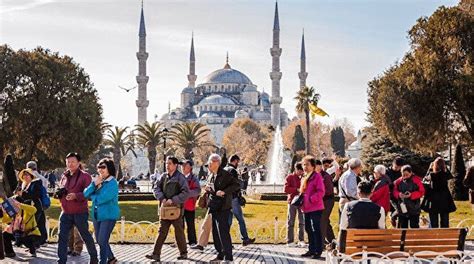
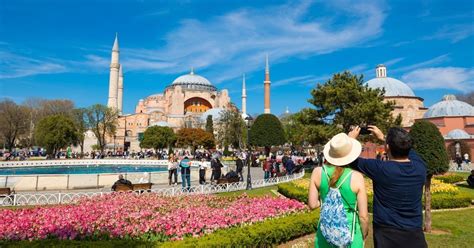
Despite the warnings and rising tensions, many of Turkey’s most visited areas remain peaceful and open to international tourism. Cities like Istanbul, Antalya, Izmir, and Cappadocia continue to draw millions of tourists with their rich history, cultural experiences, and breathtaking landscapes. These regions are not near any active conflict zones and currently show no indications of unrest.
Nevertheless, the FCDO underscores the importance of vigilant planning and awareness of regional developments. Travelers should monitor both UK government alerts and local Turkish news outlets to remain informed.
Essential Tips for UK Travelers to Turkey
While Turkey remains an enticing destination for holidaymakers, the evolving geopolitical environment necessitates enhanced traveler awareness. Here are essential precautions for a safe visit:
- Avoid border regions, especially those near Syria, Iraq, and Iran.
- Check FCDO travel advisories regularly before and during your trip.
- Secure necessary travel permits if planning to visit restricted zones.
- Stay away from political protests or large public gatherings.
- Ensure your travel insurance covers high-risk zones, or adjust your plans accordingly.
- Maintain contact with the British Embassy if venturing near sensitive borders.
Each of these steps significantly reduces your exposure to risk and allows for a more secure travel experience during uncertain times.
Final Thoughts: Navigate Regional Risks with Informed Caution
Turkey continues to serve as a vibrant, historically rich, and culturally diverse destination that captivates millions of visitors annually. However, regional volatility sparked by the Israel-Iran tensions requires tourists to make informed decisions and stay alert to ongoing developments. The latest FCDO travel advisory is not a deterrent, but a necessary guideline to help you navigate these risks while still enjoying what Turkey has to offer.
In a world where political dynamics can shift rapidly, especially in the Middle East, proactive planning is more essential than ever. Ensure that you remain connected to reliable sources, adhere to local laws and regulations, and respect the sensitivities of regions you travel through.
With the right precautions, your journey to Turkey can still be both memorable and safe—even in a time of global uncertainty.