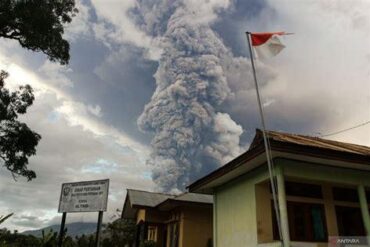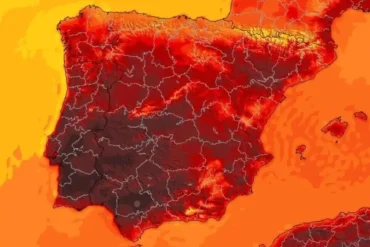
As wildfires rage across Turkey, particularly in the southern regions, the UK Foreign Office has taken significant steps to safeguard travelers by issuing a travel advisory. This warning, released on July 4, 2025, comes in response to unprecedented heatwaves, with temperatures soaring above 40°C, contributing to an extended wildfire season that poses serious threats to both locals and tourists alike. The advisory underscores the gravity of the situation, cautioning visitors against actions that could ignite fires, such as smoking or improperly disposing of cigarettes in forested areas.
The impact of these wildfires is evident, with crucial travel infrastructure being affected. One notable incident involved the temporary closure of Adnan Menderes Airport in İzmir, a primary entry point for tourists. The fires approached the airfield, prompting immediate safety measures that included flight cancellations and diversions, leaving many travelers stranded and uncertain about their plans. This disruption serves as a stark reminder of the potential hazards associated with travel during this peak season, which is traditionally characterized by high tourist influx and vibrant cultural festivities.
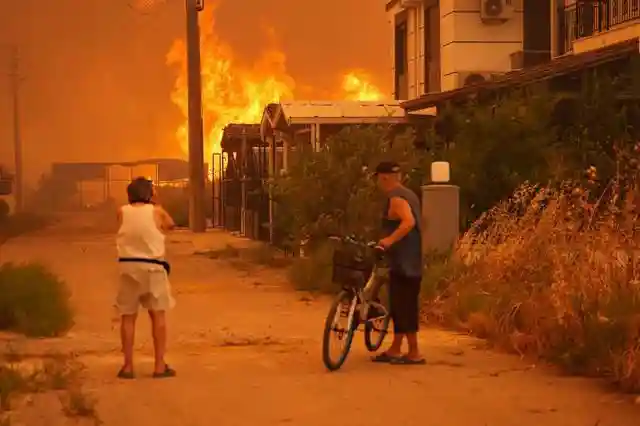
The wildfire crisis is not merely an isolated issue but part of a broader trend influenced by climate change. Experts indicate that rising global temperatures are intensifying the frequency and severity of heatwaves, thereby extending the wildfire season across Southern Europe, including Turkey. These changes have made it imperative for both residents and visitors to adapt to the evolving landscape of natural disasters.
Understanding the Risks and Legal Consequences for Tourists
The ramifications of ignoring fire safety regulations in Turkey can be severe. The Foreign Office explicitly warns tourists about the legal consequences they may face for actions that could potentially start fires. Activities such as lighting barbecues or smoking in designated fire-risk areas are strictly prohibited. Even minor infractions, like discarding a cigarette butt in dry foliage, can lead to significant legal repercussions, including hefty fines and possible imprisonment. The Turkish government has enacted stringent regulations aimed at curbing wildfire incidents, emphasizing the importance of compliance from everyone, including tourists.
This proactive approach reflects Turkey’s commitment to preserving its natural landscapes while ensuring the safety of all who visit. Tourists must remain vigilant, respecting local fire safety protocols to avoid penalties. The government has implemented clear signage in high-risk areas, indicating where activities such as smoking or barbecuing are forbidden. Travelers are strongly urged to heed these warnings, as failure to do so could result in dire consequences.
Navigating Wildfire Safety: Essential Tips for Travelers
In light of the increasing wildfire risks, the Foreign Office provides several essential tips for travelers to enhance their safety while exploring Turkey’s beautiful yet vulnerable landscapes. Visitors should:
- Stay Informed: Regularly check local news and updates regarding wildfire conditions in the areas you plan to visit.
- Adhere to Safety Signs: Pay close attention to signs indicating fire restrictions and follow all local regulations.
- Emergency Contacts: Familiarize yourself with emergency procedures and keep the emergency number 112 handy for immediate assistance in case of wildfires or other emergencies.
Should travelers encounter a wildfire, they are advised to contact local authorities without delay. Prompt communication with emergency services can significantly mitigate risks and ensure swift action is taken to protect lives and property.
The Role of Sustainable Tourism in Fire Prevention
While wildfires present substantial challenges, they also highlight the urgent need for sustainable tourism practices. As climate change continues to exacerbate environmental risks, destinations like Turkey must prioritize eco-friendly tourism initiatives. Both the Turkish government and various local organizations are actively promoting responsible travel practices to mitigate fire risks and raise awareness about environmental conservation.
Tourists are encouraged to adopt environmentally conscious habits during their stay. This includes proper waste disposal, avoiding single-use plastics, and adhering to fire bans. Such practices not only protect the environment but also contribute to the long-term sustainability of Turkey’s tourism sector, which relies heavily on its stunning natural landscapes and rich cultural heritage.
The Economic Impact of Wildfires on Turkey’s Tourism Industry
Tourism is a cornerstone of Turkey’s economy, significantly contributing to the country’s GDP and providing employment opportunities for millions. However, the escalating threat of wildfires poses a challenge to this vital sector. The ongoing wildfire crisis could deter potential visitors, particularly during the summer months when tourism peaks.
Despite these challenges, Turkey remains an attractive destination, celebrated for its breathtaking beaches, historical sites, and diverse cultural experiences. To maintain the resilience of its tourism industry amidst environmental concerns, the government is striving to strike a balance between economic needs and ecological preservation. Efforts are underway to cultivate greater awareness among tourists about fire prevention and safety measures, thereby reducing wildfire-related risks.
Looking Ahead: The Future of Travel in Turkey Amidst Climate Challenges
As wildfires continue to threaten parts of Turkey and Southern Europe, travelers are urged to remain vigilant and well-informed. The increasing frequency of extreme weather events underscores the necessity for responsible tourism and adherence to local safety protocols. While wildfires are a natural occurrence in the region’s summer climate, the amplified intensity due to climate change necessitates more robust fire prevention measures from both authorities and visitors.
The future of Turkey’s tourism industry will inevitably be shaped by its ability to confront these climate-related challenges. By fostering a culture of safety, sustainability, and awareness, Turkey can continue to welcome travelers while protecting its unique landscapes and cultural treasures for generations to come.
Conclusion: Embracing Responsible Travel Practices
The rising danger of wildfires in Turkey has prompted the Foreign Office to issue a crucial warning for travelers. With temperatures soaring across Southern Europe, tourists must exercise caution in fire-prone areas and comply with local fire safety guidelines. By staying informed, following safety protocols, and securing comprehensive travel insurance, visitors can enjoy a safe and responsible vacation in Turkey while minimizing the risks associated with increasingly prevalent natural disasters.