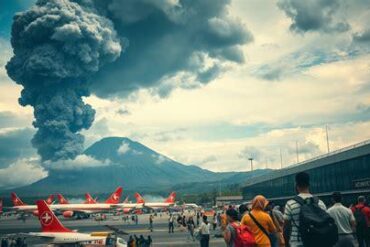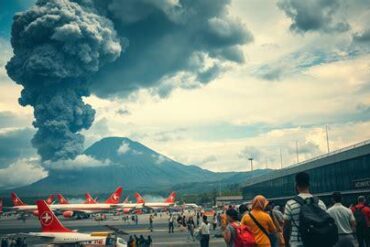
Australia has issued an urgent travel warning for citizens heading to Bali following the ferocious eruption of Mount Lewotobi in Indonesia. This natural disaster has unleashed massive ash clouds into the atmosphere, causing significant flight delays and creating widespread travel uncertainty. Authorities are advising Australian holidaymakers to closely monitor their flight schedules, prepare for potential last-minute changes, and stay alert as their dream vacations risk being derailed by this sudden volcanic upheaval.
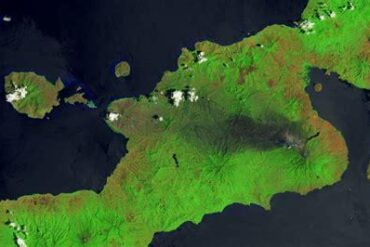
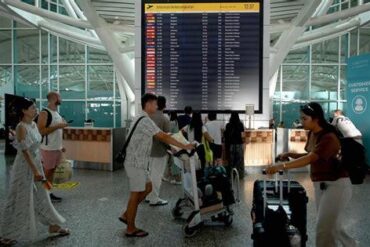
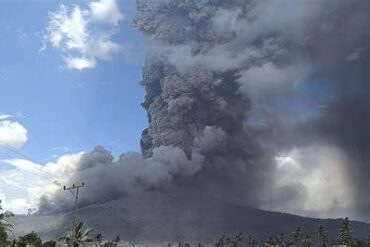
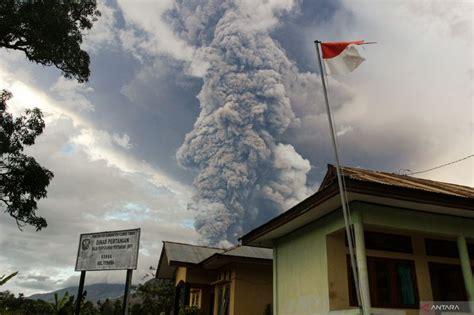
In a dramatic turn of events, Bali’s Ngurah Rai International Airport has resumed operations after the powerful eruption on the nearby island of Flores. The Mount Lewotobi Laki-Laki, located in East Nusa Tenggara province, erupted late Tuesday evening, sending towering columns of smoke and ash into the sky. This event prompted precautionary flight delays and diversions across parts of the Indonesian archipelago. While airport operations have restarted, officials caution that intermittent disruptions may occur should volcanic activity continue or escalate.
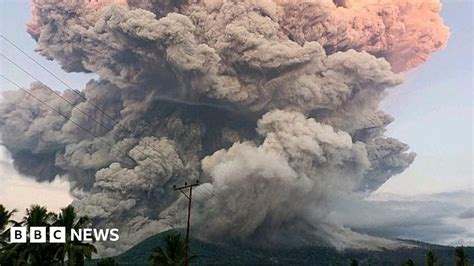
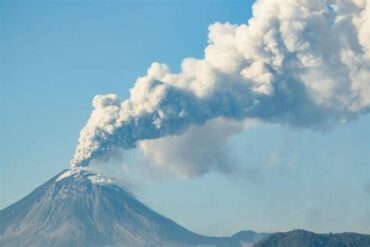
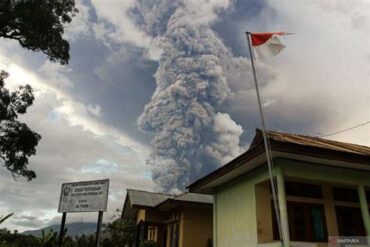
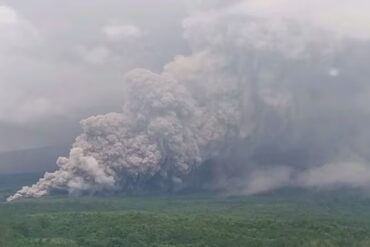
Eyewitnesses have shared striking visuals of Mount Lewotobi spewing dense, orange-tinted clouds of volcanic material high into the night sky. The volcano, which stands approximately 1,585 meters above sea level, erupted with remarkable force, sending ash plumes soaring as high as 11 kilometers into the atmosphere during a secondary blast early Wednesday. According to Indonesia’s Meteorology, Climatology, and Geophysical Agency (BMKG), the volcanic ash was visible up to 90 kilometers away, with some reports indicating visibility from as far as 150 kilometers in elevated regions of East Nusa Tenggara.
The threat posed by volcanic ash is significant, particularly concerning aviation safety. Ash clouds can severely impair aircraft engines and visibility, making the management of air traffic a top priority during such eruptions. Following established international aviation safety protocols, Indonesia’s aviation authorities swiftly issued warnings to pilots, air traffic controllers, and carriers operating in the region. As a result, numerous flights were delayed or rerouted as a precaution; however, most major carriers resumed operations by Wednesday afternoon as the ash cloud began to disperse from key flight paths around Bali. Passengers are advised to remain vigilant regarding schedule changes, as an official from Indonesia’s Directorate General of Civil Aviation noted, “Ash clouds can drift with wind patterns, and renewed eruptions are still possible.”
Travelers flying to or from Bali, Labuan Bajo, Kupang, and surrounding airports are encouraged to check with their respective airlines before traveling and to be prepared for possible short-notice changes. The Lewotobi volcanoes, comprising Lewotobi Laki-Laki and its twin, Lewotobi Perempuan, have a documented history of periodic eruptions. This region lies within the Pacific Ring of Fire, known for its geological volatility, frequently producing volcanic eruptions and seismic activity.
Volcanologists from Indonesia’s Center for Volcanology and Geological Hazard Mitigation (PVMBG) have been closely monitoring Mount Lewotobi since it began showing signs of unrest earlier this year. The agency has raised its alert level and is urging residents near the volcano to remain outside a designated exclusion zone around the crater. Although the eruption seems to be stabilizing, PVMBG spokespersons have warned against complacency, stating, “We cannot rule out additional explosive activity.” It is imperative for both residents and tourists in the vicinity to heed local advisories and maintain a safe distance from the volcano.
The impact of such natural disasters extends beyond immediate safety concerns; they can also significantly affect Indonesia’s crucial tourism industry. With its extensive chain of over one hundred active volcanoes, Indonesia regularly experiences natural events that disrupt travel and transportation. Areas like Bali, serving as major international travel hubs, are particularly vulnerable to these disruptions. Local tourism operators in Bali and Flores have voiced concerns over cancellations but remain hopeful for a swift return to normalcy. A tour operator in Denpasar remarked, “We’re used to these challenges in Indonesia. Safety always comes first, and we trust the authorities to manage this well.”
Government agencies are coordinating emergency response plans in East Nusa Tenggara, including establishing temporary shelters, evacuation routes, and medical support for communities close to the volcano. Fortunately, no injuries or fatalities have been reported thus far.
As Bali’s skies begin to clear and flights resume, authorities remain vigilant. Meteorological teams are actively tracking ash dispersion patterns, while volcanologists monitor seismic activity in real-time. Travelers planning to visit Bali, Flores, or nearby islands are advised to stay informed through official channels, including airport notices, weather alerts, and embassy advisories. Australia’s urgent alert serves as a stark reminder for travelers heading to Bali, as Mount Lewotobi’s violent eruption not only disrupts flights but also casts doubt over holiday plans. Tourists should expect delays and stay updated as ash clouds continue to impact Indonesian airspace. Amidst Indonesia’s breathtaking landscapes lies an ever-present geological volatility; the recent eruption of Mount Lewotobi Laki-Laki illustrates that the awe-inspiring beauty of this region often intertwines with nature’s unpredictable forces.