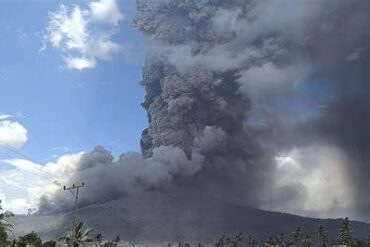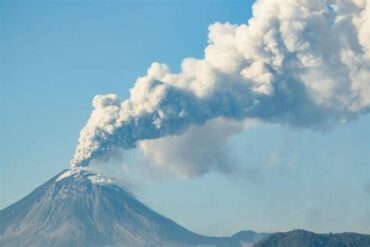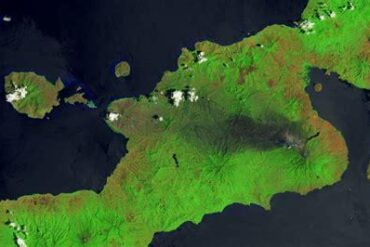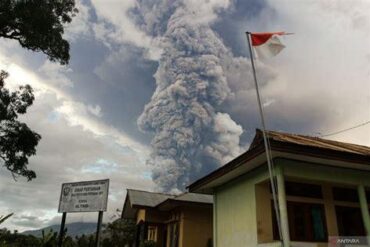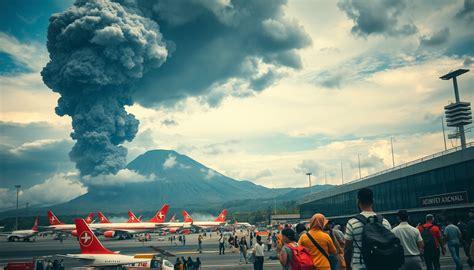
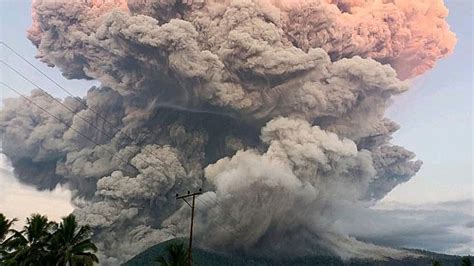
In a dramatic turn of events, Mount Lewotobi Laki-Laki, located in East Nusa Tenggara, Indonesia, erupted on June 17, 2025, leading to significant disruptions in air travel across the region. The eruption sent a massive ash cloud into the atmosphere, prompting immediate flight cancellations and raising alarms for travelers and locals alike. This event marks a serious challenge for Indonesia’s aviation sector and its vital tourism industry, particularly in popular destinations like Bali.
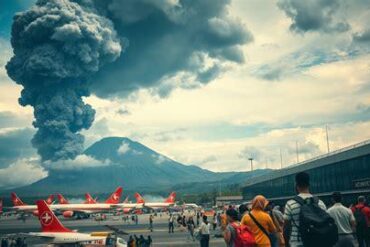
The towering Lewotobi Laki-Laki, which reaches an impressive height of 1,584 meters (5,197 feet), erupted unexpectedly, ejecting ash that led to the issuance of the highest-level alert within Indonesia’s four-tier volcanic warning system. This eruption had direct implications for air travel to Bali, a world-renowned tourist hotspot. Airlines around the globe reacted swiftly; major carriers such as Jetstar, Virgin Australia, and Air India were among the first to announce flight cancellations as the ash cloud rapidly spread, affecting numerous routes.
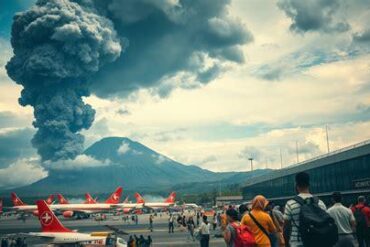
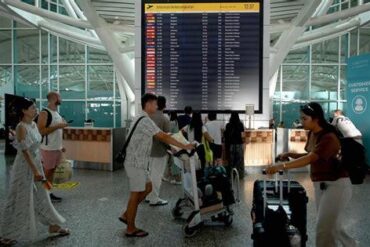
The impact was felt most acutely at I Gusti Ngurah Rai Airport, Bali’s primary international gateway. While some flights managed to operate, many faced delays or outright cancellations due to safety concerns regarding the ash cloud. Key updates from the aviation sector indicated that:
- Immediate cancellations were reported by Jetstar, Virgin Australia, and Air India following the eruption.
- Other international carriers, including Air New Zealand and Tigerair, also suspended or altered their Bali-bound flights in response to the hazardous conditions.
- Although the airport remained open for limited operations, the ongoing presence of the ash cloud necessitated constant monitoring and updates for passengers.
Travelers were advised to remain vigilant and stay updated through their airlines, with crucial information regarding cancellations and delays being disseminated continuously. The unpredictability of the ash dispersal posed a significant risk for flights scheduled later in the day, reinforcing the need for real-time updates.
As the situation unfolded, safety became paramount. The Indonesian Geology Agency issued warnings urging residents and tourists to steer clear of areas within a 7-kilometer radius of the volcano’s crater, given the persistent tremors that suggested the possibility of further eruptions. Additionally, the risk of lahar flows, which can occur when volcanic debris mixes with rainwater, was raised, leading to precautionary evacuations in nearby villages.
The repercussions of the Lewotobi Laki-Laki eruption extend far beyond immediate flight cancellations. The economic implications for Bali’s tourism sector, which heavily relies on international visitors, are substantial. Not only are flights to Bali disrupted, but other popular tourist sites like Labuan Bajo on Flores Island have also experienced cancellations, compounding the challenges faced by local businesses dependent on tourism revenue.
Bali, known for its vibrant culture and stunning landscapes, is particularly vulnerable to natural disasters, and this recent volcanic activity has sent ripples of anxiety through its tourism-dependent economy. Local hotels, tour operators, and businesses are bracing for a downturn in visitor numbers, as potential travelers reconsider their plans amid the uncertainty. It is crucial for those planning vacations to Bali to maintain flexibility in their travel arrangements and to remain informed about the latest developments from airlines and local authorities.
For travelers currently navigating this turbulent situation, proactive measures are essential. Staying informed is key, and it is advisable to:
- Regularly check for the latest updates on flight cancellations and delays before heading to the airport.
- Prepare for possible alterations in travel plans due to the ash cloud and ongoing volcanic activity.
- Maintain communication with airlines regarding potential alternative flights or rescheduled travel options.
- Monitor local government and airport websites for safety advisories related to the volcanic eruption.
The situation remains fluid, and vigilance is necessary to avoid any surprises. As the ash cloud continues to pose challenges, travelers and locals alike are urged to adhere strictly to safety guidelines and stay abreast of ongoing developments.
In conclusion, the eruption of Mount Lewotobi Laki-Laki has triggered widespread disruptions, resulting in multiple airline cancellations affecting Bali and the broader Indonesian travel network. As volcanic activity persists, further delays and cancellations are anticipated, underscoring the importance of staying informed for anyone planning to travel to the region. The ongoing ash clouds and associated hazards highlight the inherent risks of Indonesia’s seismic landscape, reminding us all of the need for preparedness and flexibility when facing nature’s unpredictability.