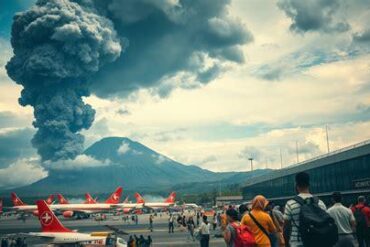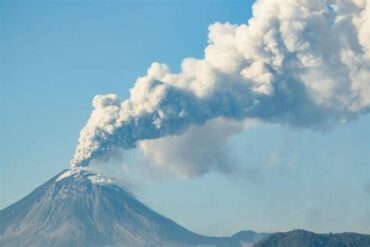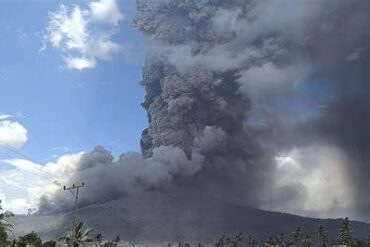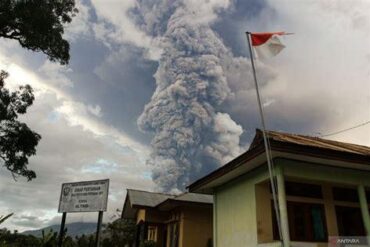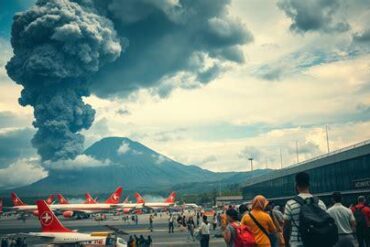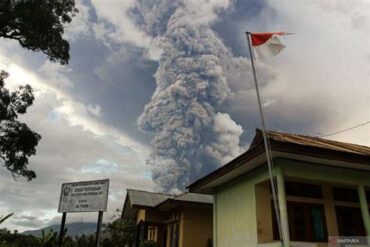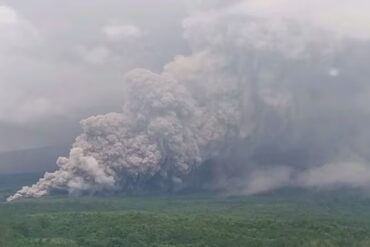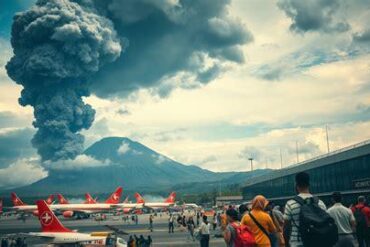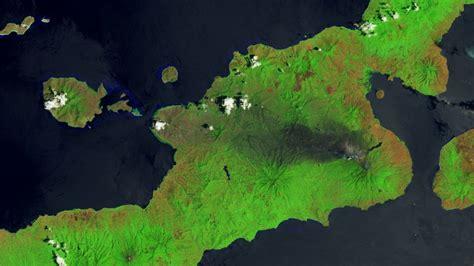
Australia has recently issued a red aviation alert, while Japan has declared a tsunami warning in response to the explosive eruption of Mount Lewotobi Laki-Laki in Indonesia. This significant volcanic event occurred on June 18, 2025, sending an enormous ash cloud approximately 10 miles into the atmosphere and raising serious concerns regarding regional travel safety and environmental impacts.
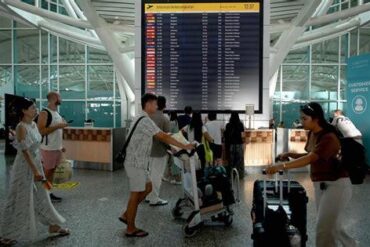
The eruption, which took place in East Nusa Tenggara province, has raised alarms for aviation authorities, particularly in Australia. With the ash cloud threatening to disrupt air traffic across the region, the Australian government has taken immediate action by issuing a red alert for aviation. This designation warns that the ash could severely interfere with flight paths, posing considerable hazards to aircraft. Aviation officials are closely monitoring the situation and advising airlines to reroute flights to avoid affected areas, thereby prioritizing passenger safety above all.
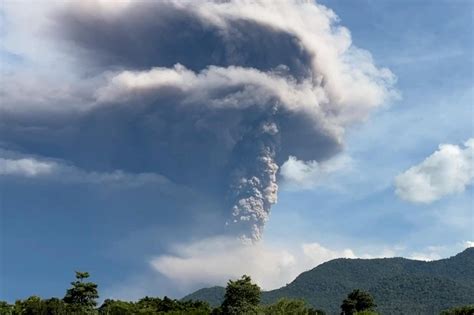
The eruption of Mount Lewotobi Laki-Laki is not a new phenomenon, as it marks the second significant eruption within a year. The previous eruption in November 2024 resulted in ten fatalities and the evacuation of thousands from nearby communities. The Indonesian authorities have since raised the volcano’s threat level to its highest, indicating that intense volcanic activity is expected to persist, leading to ongoing risks for the surrounding populations. In addition to the immediate dangers posed by volcanic ash, Indonesian officials are also warning about the potential for lava floods, especially in the case of heavy rainfall. Such natural disasters could exacerbate the already precarious situation for those living in proximity to the volcano.
As the ash plume continues to rise, officials have advised residents and tourists to maintain a safe distance from the eruption site. Specifically, individuals are urged to stay clear of a seven-kilometer radius around the volcano, as well as an eight-kilometer sector extending southwest to northeast from the eruption point. In the face of heavy ash fallout, precautions such as wearing protective masks or covering the mouth and nose are being recommended to mitigate the risk of respiratory issues and irritation caused by inhaling volcanic ash.
In parallel to Australia’s aviation alert, Japan’s Meteorological Agency is actively investigating the potential for a tsunami triggered by seismic waves associated with the eruption. While no official confirmation has been issued regarding the generation of a tsunami, authorities remain vigilant, assessing whether the volcanic activity has created conditions capable of impacting coastal areas in Japan. Coastal residents have been urged to stay informed and prepared for any potential tsunami risks, although the situation remains fluid and under investigation.
Given the unpredictable nature of volcanic eruptions and their associated seismic activity, both nations are taking the necessary precautions to safeguard their citizens and travelers. Local government agencies in Indonesia, alongside humanitarian organizations, are diligently working to monitor the evolving situation and provide assistance to those affected by the eruption. Emergency response teams have been deployed to facilitate evacuations and deliver immediate relief to impacted communities, demonstrating a commitment to ensuring public safety during this crisis.
Despite the heightened alert and ongoing threats, officials express cautious optimism that the situation will not escalate into a more severe disaster. Continuous monitoring of seismic activity and air quality is underway, with authorities urging the public to remain vigilant and adhere strictly to official guidelines and evacuation orders.
As investigations into the potential tsunami threat progress, Japanese authorities are maintaining close surveillance of the situation, ready to implement protective measures for citizens and tourists alike. Although no immediate danger has been confirmed for Japan’s coastal regions, the eruption serves as a stark reminder of the unpredictable nature of volcanic and seismic events, highlighting their potential impact on regional safety and travel.
Both the Australian and Japanese governments have reiterated their commitment to supporting ongoing recovery efforts in Indonesia and have issued travel advisories, strongly urging citizens to avoid unnecessary travel to the affected areas. The eruption of Mount Lewotobi Laki-Laki continues to be a focal point of concern, with air travel disruptions and potential tsunami risks remaining at the forefront of discussions among regional authorities and international observers. As the situation unfolds, continued vigilance and adaptive responses will be critical in navigating the challenges posed by this natural disaster.