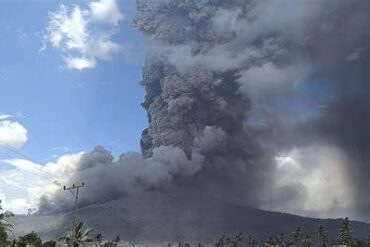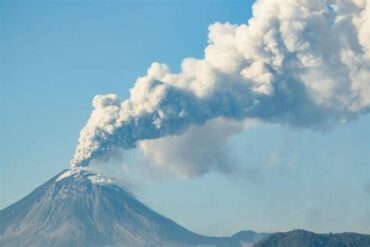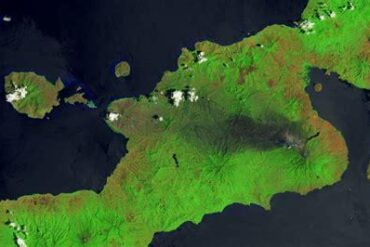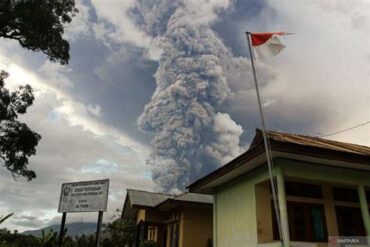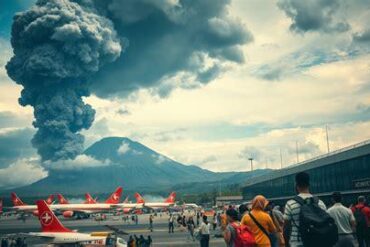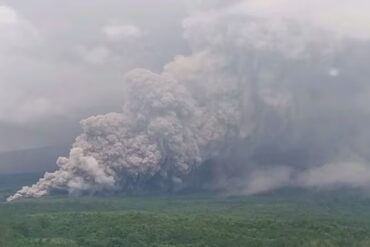
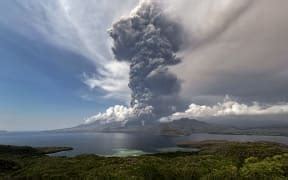
On June 17, 2025, Mount Lewotobi Laki-Laki, a prominent volcano located on Flores Island, Indonesia, erupted with tremendous force, sending a massive ash cloud soaring approximately 10 kilometers (6.2 miles) into the atmosphere. This catastrophic event triggered an immediate response from several major airlines, including Air New Zealand, Singapore Airlines, Virgin Australia, Air India, Juneyao Airlines, and Jetstar, all of which canceled or delayed flights to and from Bali, a key travel destination in the region. The eruption led authorities to elevate the volcano’s alert status to the highest level, underscoring the severity of the situation.
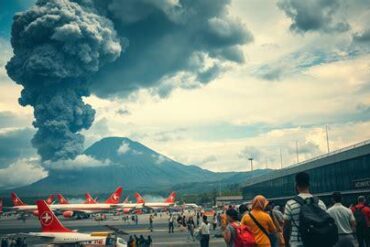
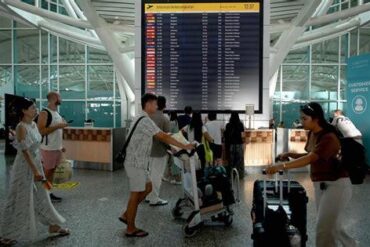
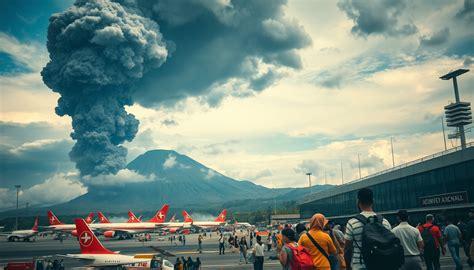
The eruption’s impact was felt significantly at I Gusti Ngurah Rai Airport, Bali’s primary international gateway, where multiple flights were grounded due to safety concerns related to the hazardous volcanic ash cloud affecting airspace over Bali and surrounding areas. In a statement issued by the airport, it was confirmed that numerous flights were canceled, with particular emphasis on those operated by Jetstar and Virgin Australia. Both airlines indicated that several afternoon flights would remain delayed until the volcanic ash cleared, disrupting the travel plans of countless passengers.
Adding to the turmoil, AirAsia also reported cancellations of domestic flights to Labuan Bajo, a popular tourist destination near Flores, exacerbating the travel disruptions in an already chaotic situation. Despite the numerous cancellations, customer service representatives at the airport assured travelers that operations continued as usual, though many flights remained affected by the ongoing fallout from the eruption.
The ramifications of the eruption extended beyond aviation disruptions, significantly impacting the local communities surrounding Mount Lewotobi Laki-Laki. Volcanic ash rained down on several villages, prompting the evacuation of at least one community. Authorities reported that seismic tremors were still being detected, indicating the potential for further volcanic activity. There were growing concerns about lahar floods, dangerous mudflows resulting from the mix of volcanic ash and heavy rainfall, posing additional risks to communities situated near riverbanks.
Fortunately, as of now, no casualties or major structural damage have been reported in the aftermath of the eruption. However, the situation remains precarious, with experts closely monitoring the volcano’s activity. On the morning following the initial eruption, the volcano erupted again, producing an ash plume reaching one kilometer (0.62 miles) high, complicating recovery efforts in the region.
This eruption is not an isolated incident; Mount Lewotobi Laki-Laki has a history of significant volcanic activity. Notably, in November 2024, the volcano erupted multiple times, resulting in the tragic loss of nine lives and the evacuation of thousands, alongside severe disruptions to international travel. This recent eruption serves as a stark reminder of the ongoing threats posed by volcanic activity in Indonesia, a country renowned for its geological volatility.
Indonesia’s geographical positioning along the Pacific Ring of Fire makes it one of the most volcanically active regions globally. The eruptions of Mount Lewotobi Laki-Laki highlight the need for constant vigilance and preparedness to manage the risks associated with the country’s numerous active volcanoes. As authorities continue to assess the situation, airlines are working diligently to reschedule flights and mitigate the effects of volcanic ash on air travel.
Travelers planning to visit Bali or surrounding areas are strongly advised to stay informed about flight statuses and adhere to any advisories issued by local authorities and airlines. While the recent eruption has led to substantial travel disruptions, the primary focus remains the safety of local communities and travelers alike. As airlines such as Air New Zealand, Singapore Airlines, Virgin Australia, Air India, Juneyao Airlines, and Jetstar navigate these challenges, the ongoing seismic threats in the region will undoubtedly test Indonesia’s preparedness for future volcanic events. The intersection of aviation and tourism sectors in Indonesia continues to face significant challenges, especially in light of the unpredictable nature of volcanic activity.