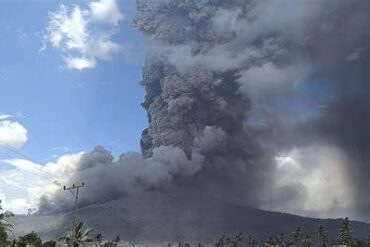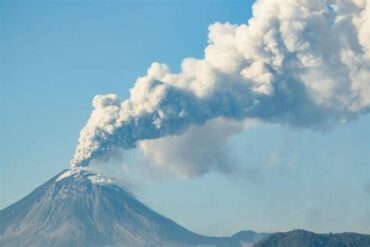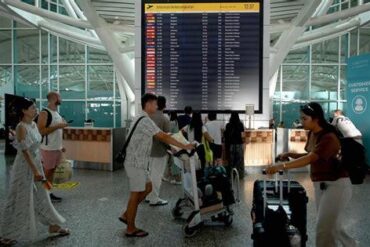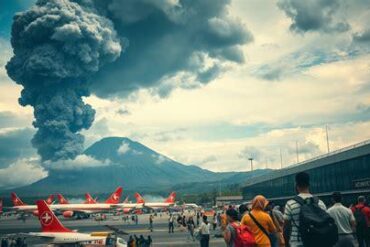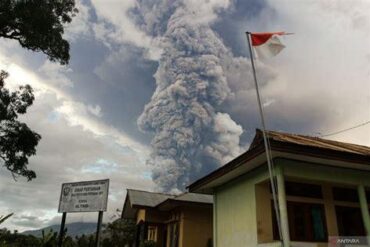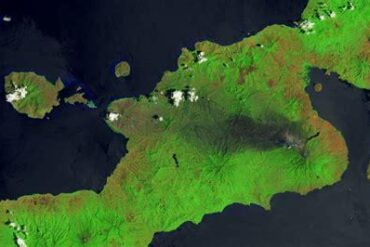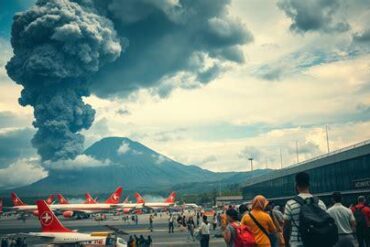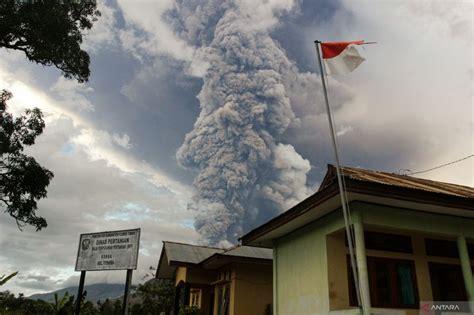
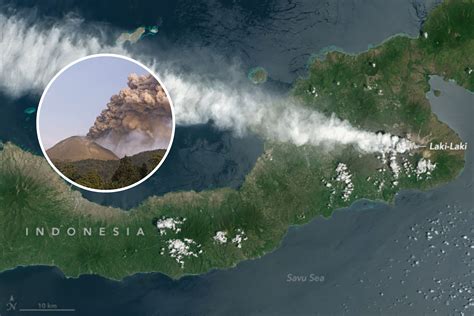
Indonesia’s Mount Lewotobi erupted again on June 18, 2025, sending a dense plume of volcanic ash high into the skies over East Nusa Tenggara. The powerful geological event has severely disrupted air travel across Southeast Indonesia, with AirAsia announcing widespread flight cancellations and reschedules across key tourist corridors, including Bali, Lombok, and Labuan Bajo.
Mount Lewotobi’s Latest Eruption Sends Shockwaves Across the Skies
The eruption, marked by thick clouds of ash and gas, has significantly impaired flight safety across the archipelago. As the ash cloud expanded westward, Indonesia’s aviation authorities issued an elevated aviation color code alert, warning of potential engine damage and visibility issues for aircraft in affected zones.
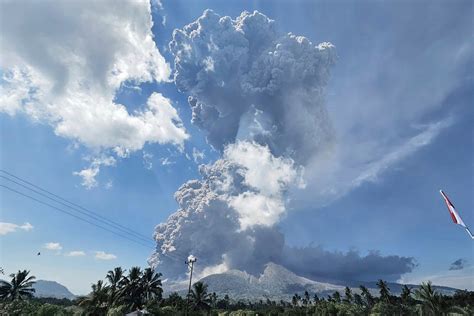
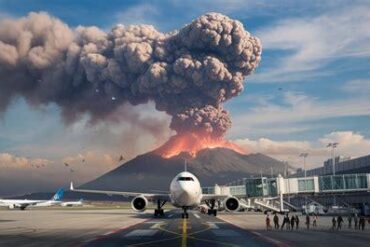
Volcanic ash is among the most dangerous atmospheric contaminants for aircraft. Once inhaled into engines, these fine particles can melt and fuse, potentially leading to engine failure mid-flight. The threat is not just to takeoffs and landings but also affects aircraft cruising at high altitudes, making entire corridors inaccessible.
AirAsia Reacts Swiftly to Eruption Impact
AirAsia Malaysia (AK), AirAsia Indonesia (QZ), and AirAsia X Malaysia (D7) initiated emergency protocols as the ash cloud spread. More than a dozen flights were grounded or rescheduled, particularly those serving Indonesia’s busiest tourist destinations. This quick decision-making reflects the airline’s deep experience in operating across the volatile Pacific Ring of Fire.
Affected passengers began receiving SMS and email notifications within hours, informing them of flight status changes and available recovery options. AirAsia’s crisis response strategy focused on minimizing disruptions and providing swift, transparent support to stranded travelers.
Passenger Rebooking and Refund Options
To ensure flexibility during this period of uncertainty, AirAsia rolled out comprehensive support measures for passengers:
- Free date changes for affected routes
- Account credit options for future bookings
- Full refunds based on fare rules and flight impact
Passengers are encouraged to use the AirAsia MOVE app, which is being regularly updated with real-time flight schedules, new departure times, and alternate routing options.
Bali, Lombok, Labuan Bajo — Island Travel Paralyzed
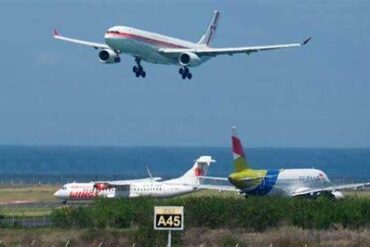
As volcanic ash drifted across airspace, airports servicing Bali’s Ngurah Rai International Airport, Lombok’s Zainuddin Abdul Madjid Airport, and Labuan Bajo’s Komodo Airport experienced ripple effects. Runway closures and reduced visibility meant that incoming and outgoing flights were subject to significant delays or cancellations, straining local tourism infrastructure.
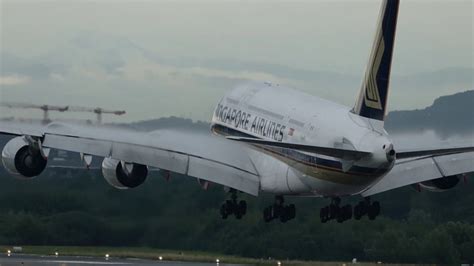
These islands, particularly popular during the school holiday period, saw a surge of stranded tourists, disrupted itineraries, and postponed inter-island travel. Hoteliers and local transport providers also began feeling the economic aftershock, as inbound international travel waned in response to operational uncertainties.
Coordinated Airspace Monitoring Underway
Working alongside Indonesia’s Ministry of Transportation and Volcanic Ash Advisory Center (VAAC), AirAsia has adopted a proactive stance on air safety. All decisions to suspend or resume flights are guided by real-time satellite data, local wind forecasts, and ongoing seismic readings from BMKG (Indonesia’s Meteorological, Climatological, and Geophysical Agency).
Indonesia’s aviation sector has extensive experience dealing with natural disruptions, particularly due to the country’s geological composition. However, Mount Lewotobi—while lesser-known compared to Merapi or Semeru—has shown a volatile history of ash emissions capable of grounding air operations for days.
No Casualties, But High Operational Cost
As of this report, no injuries or physical damage have been linked to the eruption, but the logistical and economic costs continue to rise. Airlines face revenue losses from grounded aircraft, and passengers are enduring unexpected layovers and altered plans.
Airport officials are working overtime to manage rerouting strategies, temporary accommodations, and crowd control, especially in Bali’s congested terminals. The holiday peak travel season has exacerbated the situation, increasing the volume of impacted travelers.
Transparency and Safety Above All
AirAsia’s public communications have emphasized its commitment to safety first. In statements released to the press, airline spokespeople reiterated that passenger well-being and crew security remain top priorities. Only when volcanic activity diminishes and clear flight corridors emerge will full operations resume.
Travelers are advised to remain patient and maintain close contact with the airline. Frequent status updates, travel alerts, and safety notifications are being delivered through:
- Email notifications
- The AirAsia MOVE app
- Customer call centers
- Airport help desks
Indonesian Authorities Continue Monitoring
Indonesia’s Volcanology and Geological Disaster Mitigation Center (PVMBG) remains on high alert. Scientists are actively monitoring Mount Lewotobi’s seismic activity, ash plume direction, and gas composition to predict further eruptions.
Should conditions escalate, authorities are prepared to raise the volcanic alert level and potentially expand flight exclusion zones. Public announcements will follow swiftly to ensure both residents and tourists remain informed and safe.
What This Means for Travelers and Aviation in Indonesia
Indonesia’s air connectivity is uniquely vulnerable to natural disruptions. With over 130 active volcanoes across the archipelago, carriers like AirAsia must operate with high adaptive flexibility. This recent eruption reinforces the importance of real-time data, weather foresight, and coordination with geological experts.
In the days ahead, recovery operations will hinge on two key factors: improved visibility and lower volcanic output. Once conditions permit, AirAsia is expected to launch a phased flight resumption plan, prioritizing high-traffic routes and repatriation of stranded travelers.
Tourism stakeholders, including travel agencies and hospitality operators, are working collaboratively to accommodate changes, minimize disruptions, and ensure smooth travel recovery.
The Bigger Picture: Volcanic Risk in the Ring of Fire
This eruption serves as a sharp reminder of the inherent geophysical volatility of Indonesia. Mount Lewotobi’s current activity is part of a broader geological pattern shaped by tectonic plate collisions that make the country one of the world’s most seismically active regions.
Historically, volcanic disruptions have ranged from localized ash alerts to complete airport shutdowns—as seen during Mount Agung’s 2017 eruption, which stranded tens of thousands in Bali. With tourism remaining a major pillar of the national economy, ensuring robust volcanic response systems is more critical than ever.
Final Thoughts
As Mount Lewotobi continues to emit ash, regional flight operations remain in a state of flux. AirAsia’s decisive response and the coordinated actions of Indonesian authorities illustrate the strength of disaster readiness infrastructure across the aviation sector.
Passengers planning travel to or within Indonesia’s eastern archipelago are advised to stay updated through official airline channels and monitor alerts from local media. While flight plans may be momentarily suspended, Indonesia’s skies will soon reopen—with safety, transparency, and traveler care leading the way.