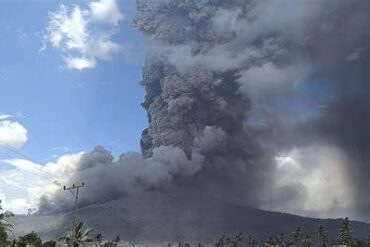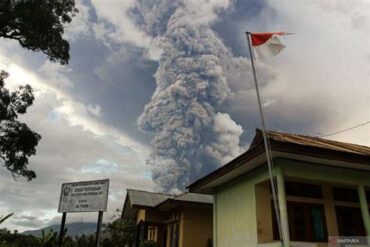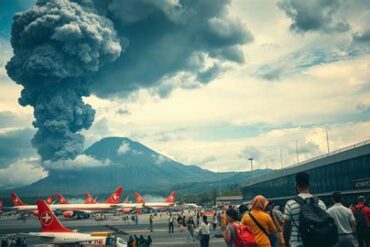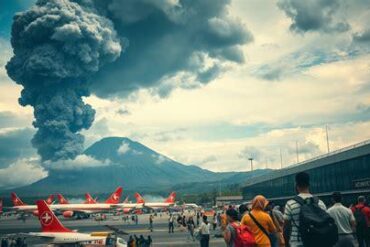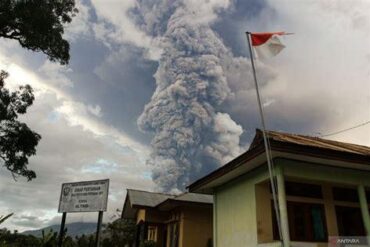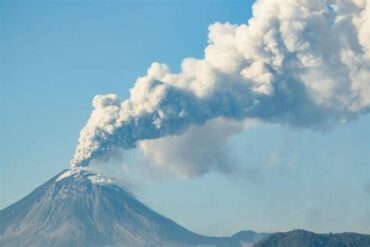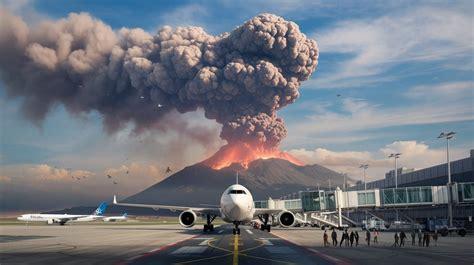
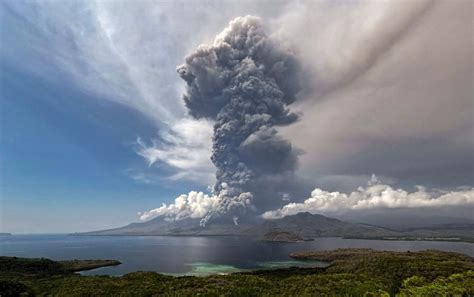
In a dramatic and sudden escalation of Indonesia’s geological volatility, Mount Lewotobi Laki-Laki erupted violently on June 18, 2025, spewing an ash cloud that reached nearly 10 kilometers into the sky, grounding scores of international flights and severely disrupting travel to Bali and nearby regions. The event sent shockwaves through the global aviation network, impacting carriers across the Asia-Pacific and beyond, including Air New Zealand, Jetstar, Juneyao Airlines, Air India, and others. For countless travelers caught mid-journey or preparing for vacations, the eruption has introduced not only logistical nightmares but deep uncertainty over their travel futures.
Bali’s Main Airport Paralyzed by Volcanic Fallout
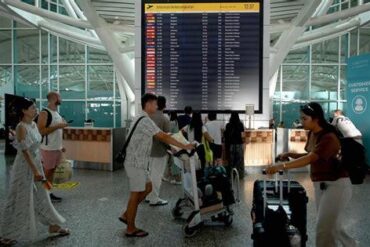
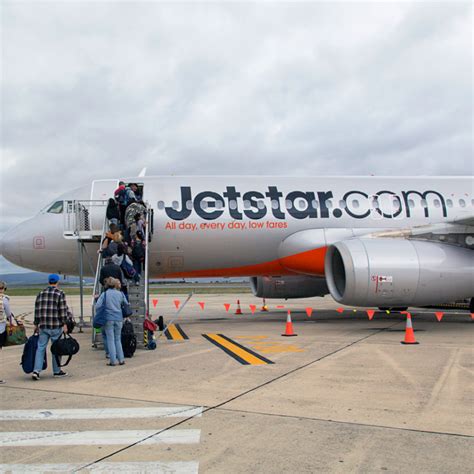
Ngurah Rai International Airport—Bali’s international gateway and one of Southeast Asia’s busiest hubs—has seen its operations paralyzed by the airborne ash plume. Flights in and out of Bali were grounded with little warning, and the cancellation ripple spread swiftly across multiple airlines. Jetstar and Virgin Australia were among the first to halt flights from Melbourne, Sydney, and Brisbane, citing safety concerns linked to the low visibility and hazardous engine conditions caused by volcanic ash.
Air New Zealand followed suit, suspending all direct routes to Denpasar, while Singapore-based Tigerair and China’s Juneyao Airlines announced indefinite delays. The most high-stakes incident unfolded aboard Air India flight AI2145 en route from Delhi to Bali. Midway through the flight, Indonesian aviation authorities mandated a dramatic U-turn, sending the aircraft back to India as the ash threat expanded across the archipelago.
Indonesia Elevates Alert to Highest Emergency Level
Authorities at Indonesia’s Center for Volcanology and Geological Hazard Mitigation raised Mount Lewotobi’s status to Level IV, the highest tier on its emergency alert system. The elevation marks a grave shift in local conditions, reflecting the eruption’s intensity and the continuing risk of additional explosive activity. The volcano, which stands at 1,584 meters, unleashed a barrage of ash, sulfur dioxide, and debris that blanketed nearby villages and heavily compromised air quality.
The National Disaster Mitigation Agency (BNPB) swiftly mandated evacuation protocols for communities near the crater. One village was completely evacuated within hours. Residents face increased respiratory risks, visibility issues, and the looming specter of lahar flows—dangerous volcanic mudslides that can form rapidly during rainfalls.
Tourist Mecca Labuan Bajo Suffers Economic Blow
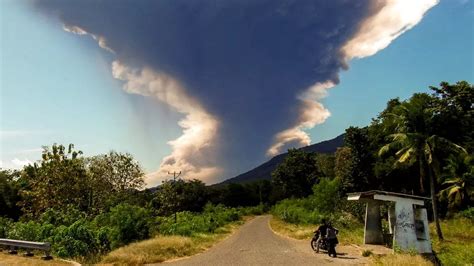
One of the hardest-hit regions from a tourism standpoint is Labuan Bajo, the flourishing seaside town on Flores Island, revered for its pristine waters and access to Komodo National Park. Domestic flights operated by AirAsia were suspended in droves, halting incoming tourism activity at the peak of the island’s diving and wildlife season.
Hotel bookings were abruptly canceled. Tour guides had to refund prepaid expeditions. The tourism industry, which provides the backbone of Labuan Bajo’s economy, is now teetering on the edge of crisis. International visitors planning Komodo dragon treks, scuba dives along the coral triangle, or inter-island sailing trips now face an unpredictable waiting game, caught between natural disaster and administrative paralysis.
Travel Chaos and the Domino Effect Across Airlines
The eruption’s fallout extended far beyond Indonesia’s borders. Within hours, global airline networks were adjusting operations, rerouting flights, and scrambling crews. While some airlines, like Jetstar, expressed hope that late-day flights might resume if ash dispersal permits, most adopted a cautious stance. Passenger advisories were issued by nearly all affected carriers, asking travelers to remain updated via airline apps and refrain from unnecessary travel to Bali until further notice.
Travelers stranded in Denpasar, Jakarta, or even connecting hubs like Singapore and Kuala Lumpur are now grappling with rebookings, hotel extensions, visa queries, and rising personal expenses. Some had to sleep in terminals, their itineraries decimated by an event far beyond their control.
Health Advisories Intensify for Ash-Exposed Regions
Medical authorities in Indonesia issued urgent health advisories to minimize the population’s exposure to airborne ash particles, which are known to exacerbate asthma, bronchitis, and eye irritation. Travelers were urged to use N95-grade masks, wear goggles, and avoid outdoor activity unless absolutely necessary.
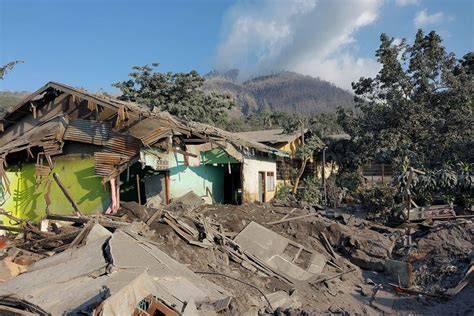
For residents within a 7-kilometer radius of the volcano, evacuation remains non-negotiable. Ash has accumulated to significant depths in some areas, leading to collapsed rooftops and contaminated water supplies. Emergency shelters and food relief stations have been set up, though access remains difficult due to ash-clogged roads and continuous tremors that threaten infrastructure.
Broader Seismic Pattern Signals More Trouble Ahead
Indonesia’s geological geography has always made it uniquely vulnerable to seismic unrest. Straddling the Pacific Ring of Fire, it is home to over 130 active volcanoes—the highest number globally. The Mount Lewotobi eruption is the latest in a line of destabilizing events, echoing the November 2024 tragedy, where another volcanic outburst claimed nine lives and stranded thousands.
As tourism attempts a full rebound post-COVID, such disasters risk undermining confidence in Indonesia’s travel infrastructure. Stakeholders must now contend not just with the immediate blow, but with long-term damage to regional branding and traveler perception. The volatility is not just natural but economic.
Airlines Introduce Emergency Flexibility and Waivers
To manage the passenger fallout, several airlines have launched emergency travel waivers and rescheduling options without penalty. Jetstar, Virgin Australia, and Air New Zealand announced ticket changes and full refunds for affected routes. While helpful, this doesn’t address secondary issues like lost bookings with hotels or disrupted tour packages.
Some passengers have taken to social media to air their frustrations, citing long wait times, vague communication, and an inability to reach customer service lines. Others, particularly in remote islands, reported having no access to updated flight status, compounding confusion and distress.

Travel Advisories and the New Normal for Bali Visitors
Embassies including those of Australia, New Zealand, India, and China have released statements urging citizens to monitor local news, stay in contact with their airlines, and adhere strictly to Indonesian government advisories.
While volcanic activity is not uncommon in Indonesia, the timing and scale of the eruption have forced a recalibration of what ‘travel readiness’ looks like. Future travelers to Bali and Flores may now need to consider volcano insurance, stay flexible with itineraries, and remain prepared for abrupt disruptions.
Some experts suggest the creation of multi-destination fallback packages, where tourists can shift trips to alternate islands like Lombok or Sumatra if Bali becomes inaccessible due to natural disasters. These contingency plans could become standard practice for travel operators aiming to sustain operations in an inherently unstable environment.
Long-Term Outlook: Tourism Resilience Faces Real Test
The fallout from Mount Lewotobi Laki-Laki’s eruption will linger well beyond ash dispersal. Economic tremors are already being felt across sectors—particularly in hospitality, aviation, and tourism-dependent local economies. As cleanup begins and authorities assess the possibility of after-eruptions, Indonesia’s global reputation as a travel paradise faces a critical juncture.
Yet this is not the first time Indonesia has faced such challenges, nor will it be the last. What comes next hinges on the resilience of local governance, the responsiveness of the travel industry, and the willingness of travelers to adapt to the risks of journeying through paradise perched atop tectonic fury.