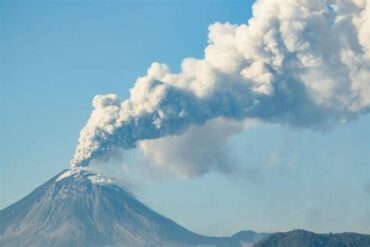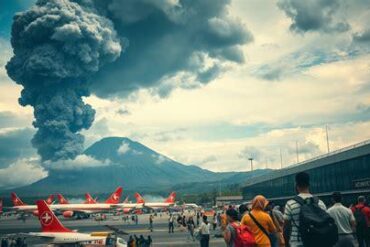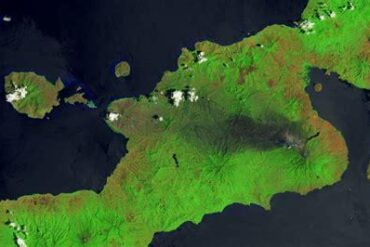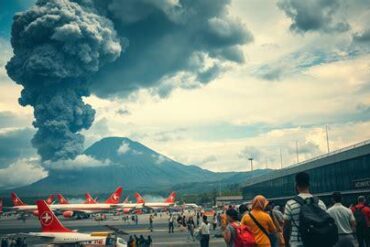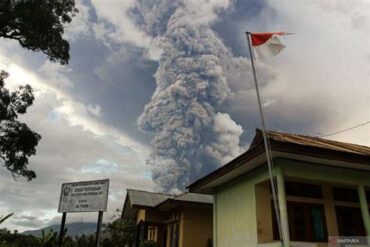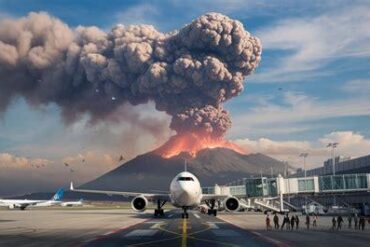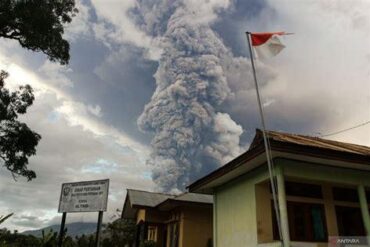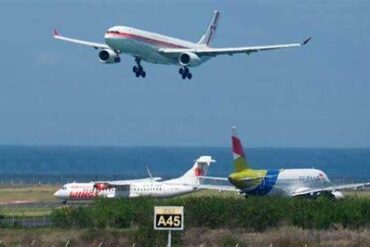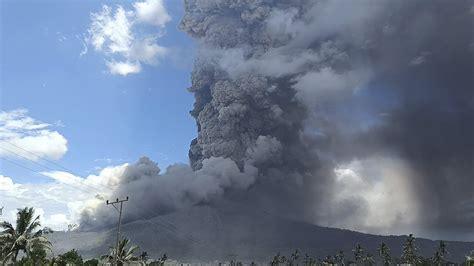
Bali, Indonesia, renowned for its pristine beaches and vibrant culture, is currently facing significant travel disruptions due to a recent volcanic eruption at Mount Lewotobi Laki Laki, located on Flores Island. The eruption, which occurred on July 7, 2025, has raised concerns among travelers as ash clouds and toxic gases impact local airspace, particularly affecting flights in and out of Bali. As travelers contemplate the safety of visiting this popular island destination, understanding the implications of this natural disaster is crucial.
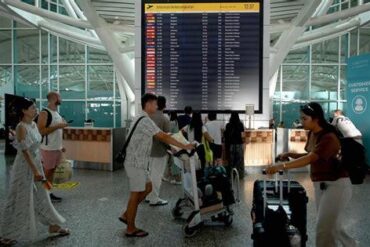
On the morning of July 7, the volcano erupted twice, sending volcanic ash columns soaring up to 18 kilometers into the sky. This activity led to a wave of flight cancellations and delays across major airports in the region, although Bali’s Ngurah Rai International Airport initially continued normal operations. Despite this, several international flights were grounded, particularly those from Australia, Singapore, and South Korea, raising questions about travel plans for tourists heading to Bali.
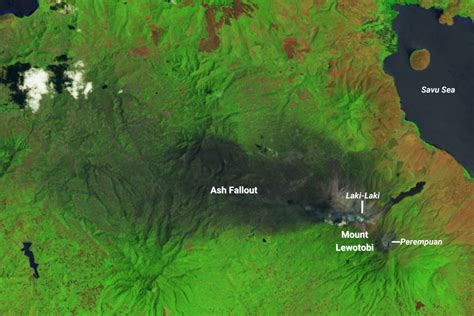
The eruption of Mount Lewotobi Laki Laki comes after a period of heightened volcanic activity in the region. Since June 18, 2025, the volcano has been placed under the highest alert level, following earlier eruptions that had already heightened concerns regarding air travel safety. The most recent eruption sent hot clouds of volcanic gases and ash cascading down its slopes, impacting nearby villages and creating a significant hazard for air travel.
Understanding the Eruption and Its Effects on Flights
The consequences of the eruption extend beyond immediate flight disruptions. Here are some key facts about the recent volcanic activity:
- Ash Clouds: The eruption produced extensive volcanic ash clouds reaching heights of 18 kilometers.
- Impact on Flights: Major carriers such as Jetstar, Qantas, Indonesia AirAsia, and Virgin Australia faced significant operational challenges, with numerous flights canceled or rerouted.
- Airport Operations: While Bali’s Ngurah Rai International Airport was not directly affected by ash clouds initially, disruptions have persisted into subsequent days, leading to further cancellations as the situation evolves.
- Safety Measures: The Indonesian government is closely monitoring the situation and has implemented safety guidelines to protect air travel and surrounding communities.
Despite the lack of immediate reports of casualties, the eruption has sparked widespread concern among travelers, especially those planning trips to Bali or currently residing there. With ongoing volcanic activity and the potential for further eruptions, understanding the current landscape of travel safety is paramount.
Is It Safe to Travel to Bali During Volcanic Eruptions?
Traveling to Bali during periods of volcanic activity can raise legitimate concerns. While there have been no new travel warnings specifically for Bali issued by the Indonesian government, caution is advised in areas near the volcano, which remains on high alert. Here are some important considerations for travelers:
- Stay Informed: Regularly monitor flight statuses and stay updated on any announcements from airlines or local authorities regarding travel advisories.
- Travel Advisories: The UK’s Foreign, Commonwealth, and Development Office has recommended avoiding travel within 7 kilometers of the Mount Lewotobi Laki Laki crater and cautions against traveling near other active volcanoes in Indonesia.
- Air Safety: Volcanic ash poses serious risks to aviation, including engine malfunctions and reduced visibility, which can compromise flight safety. Airlines and aviation authorities are equipped to handle such emergencies, prioritizing passenger safety above all.
For those who have already made plans to visit Bali, it is essential to remain connected with airlines for real-time updates. Although Bali’s airspace remains operational, disruptions may occur as ash clouds shift, potentially affecting flight paths.
How Volcanic Ash Affects Air Travel
Volcanic eruptions represent a significant threat to aviation safety. The presence of volcanic ash clouds can lead to severe risks for aircraft, with the following dangers being particularly concerning:
- Engine Damage: Volcanic ash can clog engine turbines, melt inside engines, and damage sensitive sensors critical for aircraft operation.
- Visibility Issues: Ash clouds can obscure cockpit windows, hindering pilots’ visibility and complicating navigation.
- Air Traffic Delays: Following the eruption, flight delays are commonplace as air traffic controllers reroute planes to avoid hazardous ash clouds.
Historically, major eruptions, such as the 2010 eruption of Mount Eyjafjallajökull, have resulted in widespread flight cancellations and significant disruptions to global air travel. Airlines have established safety protocols to monitor volcanic activity, but travelers should be prepared for changes in their itineraries.
What to Do if Your Flight is Canceled
If you find yourself flying to Bali or any destination in Indonesia amidst volcanic disruptions, staying informed about your flight status is vital. Most airlines will offer support and options for affected passengers, including:
- Refunds or Rebooking: Typically, airlines will rebook passengers on the next available flight at no extra charge. If you decide not to travel, a refund may be available.
- Compensation: Depending on the airline and your travel insurance policy, you might qualify for compensation for meals, accommodation, and other necessary expenses while awaiting your new flight.
Travel Insurance: What You Need to Know
Having the right travel insurance is essential for those with upcoming trips to Bali. Policies that account for natural disasters, including volcanic eruptions, can provide peace of mind amid uncertainty. Here are key considerations when evaluating travel insurance:
- Trip Disruption Coverage: Confirm that your policy covers disruptions caused by natural events like volcanic eruptions.
- Cancellation Coverage: If you opt to cancel your trip due to safety concerns, be aware that reimbursement may not be guaranteed without an official travel warning.
- Hospitality and Accommodations: Many travel insurers offer coverage for additional accommodation costs if you become stranded due to flight delays or cancellations. Reviewing your policy and discussing it with your provider can ensure adequate coverage for unexpected circumstances like volcanic eruptions.
Why Indonesia Is a Volcanic Hotspot
Indonesia is situated within the Pacific Ring of Fire, one of the most seismically active regions globally, containing over 130 active volcanoes. This geological framework frequently experiences volcanic eruptions and earthquakes, with Mount Lewotobi Laki Laki being a prominent example. The recent activity reflects broader trends in Indonesia’s volcanic landscape:
- High Frequency: The country has witnessed hundreds of volcanic eruptions in recent years, with multiple eruptions recorded at Mount Lewotobi Laki Laki in 2025 alone.
- Major Disruptions: Previous eruptions, such as the November 2024 event at the same volcano, resulted in fatalities and injuries, highlighting the risks associated with these natural phenomena.
- Seismic Monitoring: Indonesia’s Geology Agency actively monitors volcanic activity to assess potential hazards and provide early warnings to safeguard communities and visitors.
While volcanic eruptions are frequent, local authorities have implemented extensive protective measures to manage risks, including evacuations and airspace management.
Conclusion: Navigating Volcanic Disruptions in Bali
Despite the challenges posed by volcanic activity, Bali continues to attract travelers from around the globe. The recent eruption of Mount Lewotobi Laki Laki has undeniably created temporary disruptions; however, there are proactive steps that travelers can take to ensure their safety and minimize the impact on their travel plans. By staying informed, monitoring flight updates, and securing appropriate travel insurance, visitors can make educated decisions regarding their journeys to Bali.
In summary, while volcanic eruptions are a common occurrence in Indonesia due to its geological positioning, well-established systems are in place to manage associated risks. The situation in Bali remains dynamic, and travelers must prioritize safety while staying updated on the latest developments to ensure a smooth journey to and from this beloved Indonesian island.