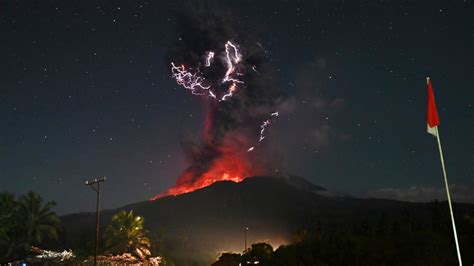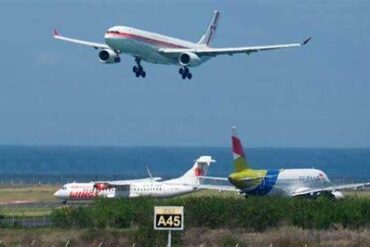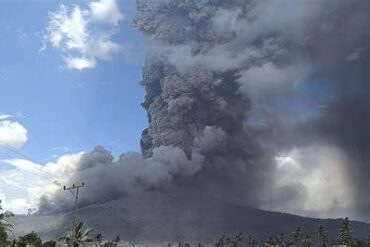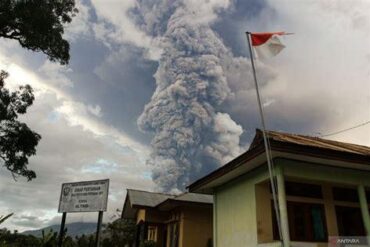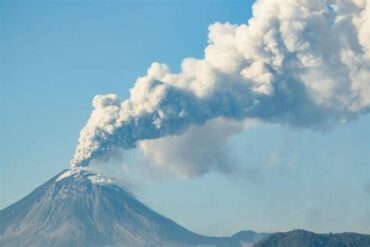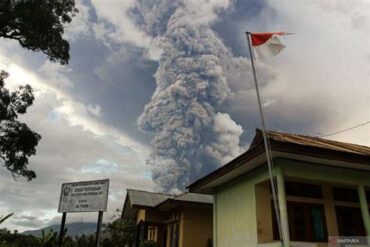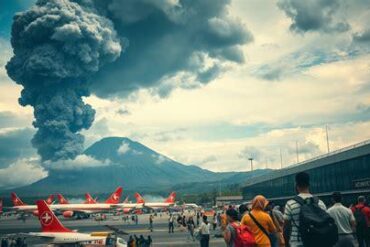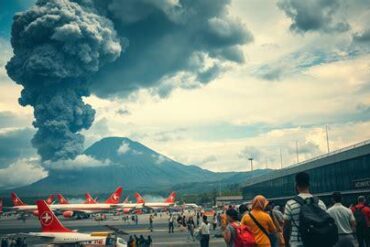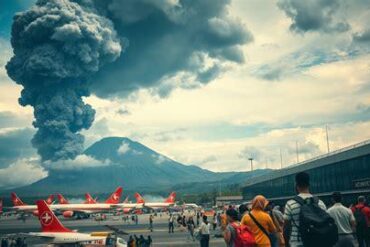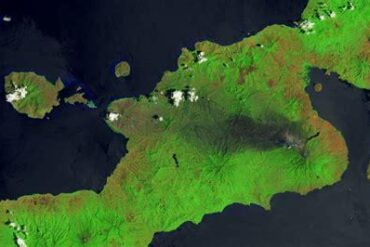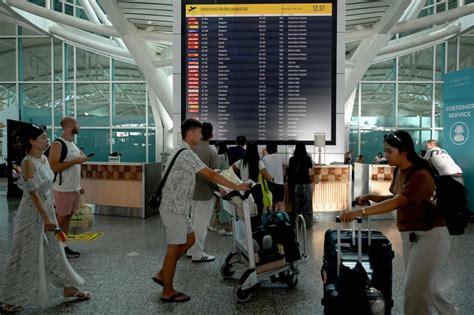
Over 120 flights were cancelled and delayed at Bali’s Ngurah Rai International Airport as airlines such as Singapore Airlines, Malaysia Airlines, Virgin Australia, and AirAsia faced operational disruptions due to a sudden volcanic eruption from Mount Lewotobi. This event sent towering plumes of ash soaring up to eleven kilometers into the atmosphere, leading to immediate airspace restrictions, regional airport shutdowns, and a cascade of last-minute flight cancellations across Southeast Asia. Passengers traveling from countries including Singapore, Malaysia, Australia, and India found themselves ensnared in the chaos, with many left stranded in departure terminals or rerouted through alternate airports. The eruption, marking Mount Lewotobi’s second explosive event in less than twenty-four hours, prompted Indonesia’s volcanology agency to elevate the alert level to its highest category, warning of further explosive activity and increased risks to aviation safety.
The crisis began on Tuesday, when Mount Lewotobi Laki-laki, one of Indonesia’s many active volcanoes, erupted with a massive ash plume. By Wednesday morning, the volcano erupted again, pushing another cloud of ash one kilometer high into the atmosphere. This sudden escalation led to the country’s volcanology agency raising the alert level to the highest category, citing potential hazards not just to aviation but also to nearby communities. Ashfall blanketed surrounding villages, visibility dropped, and airport operations throughout the region began to spiral into delays and cancellations.
While Ngurah Rai Airport in Denpasar, Bali’s primary international gateway, managed to remain operational, the ash cloud disrupted flight schedules almost immediately. According to official data, eighteen flights were cancelled and another 110 delayed, bringing the total number of affected flights to 128. Flights arriving and departing from Bali became a logistical nightmare, with passengers from Singapore, Malaysia, India, and Australia among those hardest hit. The Indonesian Ministry of Transportation confirmed that at least twenty-six domestic and international flights were impacted by the eruption, affecting over 14,000 passengers.
Singapore Airlines quickly acted by cancelling four of its Bali-bound flights between Denpasar and Changi Airport, citing safety concerns as their primary motive. Its low-cost sister carrier, Scoot, also grounded several services to both Bali and Lombok. These cancellations initiated a domino effect for connecting flights throughout Asia, resulting in widespread disruption. Meanwhile, Virgin Australia and Jetstar, two major Australian carriers with frequent routes to Bali, also faced cancellations and delays. Jetstar reported that its morning departures were suspended, with further delays expected into the evening, pending the movement of the ash cloud. KLM Royal Dutch Airlines, Malaysia Airlines, and Korean Air also reported partial or full cancellations of their scheduled services, with KLM experiencing a 100% cancellation rate due to the circumstances.
AirAsia, one of the largest low-cost carriers in the region, was significantly affected by the volcanic eruption. Flights operated by both AirAsia Malaysia and Indonesia AirAsia were either cancelled or rescheduled, particularly those connecting Bali, Lombok, and Labuan Bajo. The airline issued a travel alert warning of additional disruptions anticipated based on the shifting ash cloud forecasts. Additionally, Garuda Indonesia, the national flag carrier, faced unpredictable airspace conditions, reporting one flight cancellation and eight delays, leaving hundreds of passengers stranded or rerouted across domestic terminals.
The disruption was not limited to these airlines alone; smaller regional carriers such as Jeju Air, Air Busan, and Thai Lion also experienced delays as aviation authorities coordinated rerouting or grounding measures. Although Bali’s airport remained open, three airports in the East Nusa Tenggara province were completely shut down, including Fransiskus Xaverius Seda Airport in Maumere, which is often used as a transit hub for eastern Indonesia. The government suspended operations until Thursday as a precaution to ensure passenger safety.
The situation on the ground grew increasingly tense as dozens of residents living near Mount Lewotobi were evacuated following the eruption. Reports indicated that thick layers of ash, gravel, and sand blanketed streets in two nearby villages, prompting emergency teams to be deployed to monitor conditions and assist in evacuations. Thankfully, authorities reported no casualties, though visibility and air quality remained hazardous throughout the region.
Indonesia, home to over 130 active volcanoes, is situated atop the Pacific Ring of Fire, a region known for its seismic activity due to shifting tectonic plates. This geographical reality makes the country susceptible to frequent volcanic eruptions and earthquakes, with major air travel disruptions occurring at least once or twice every year. Mount Lewotobi’s renewed activity has reignited concerns about the vulnerability of Indonesia’s air infrastructure during volcanic crises, highlighting the need for travelers, airlines, and tourism authorities to develop faster, more flexible responses to such natural disruptions.
Looking ahead, Jetstar and other carriers indicated that ash clouds are expected to clear by late Wednesday night, but delays and scheduling adjustments could persist well into the following day. Passengers traveling through Bali or connecting via Indonesia are strongly advised to check with their airlines for live updates, monitor ash forecasts, and take advantage of flexible rebooking policies where available. The recent volcanic eruption serves as a stark reminder that even paradise can be susceptible to nature’s unpredictable forces. As more than 14,000 passengers adjust their travel plans and airlines grapple with the complexities of rescheduling operations, it becomes clear that volcanic activity remains one of the few travel disruptions that modern aviation struggles to predict or manage effectively. Indonesia’s tourism industry, still in the process of recovering post-pandemic, faces yet another unexpected setback. For now, the skies over Bali are cautiously clearing, yet the situation remains dynamic, leaving travelers and airlines alike in a state of uncertainty.